LoL Rift Herald setup guide for patch 26.15
This LoL Rift Herald setup guide for patch 26.15 covers lane priority, vision, enemy tracking, objective damage and choosing the right summon. Read the.

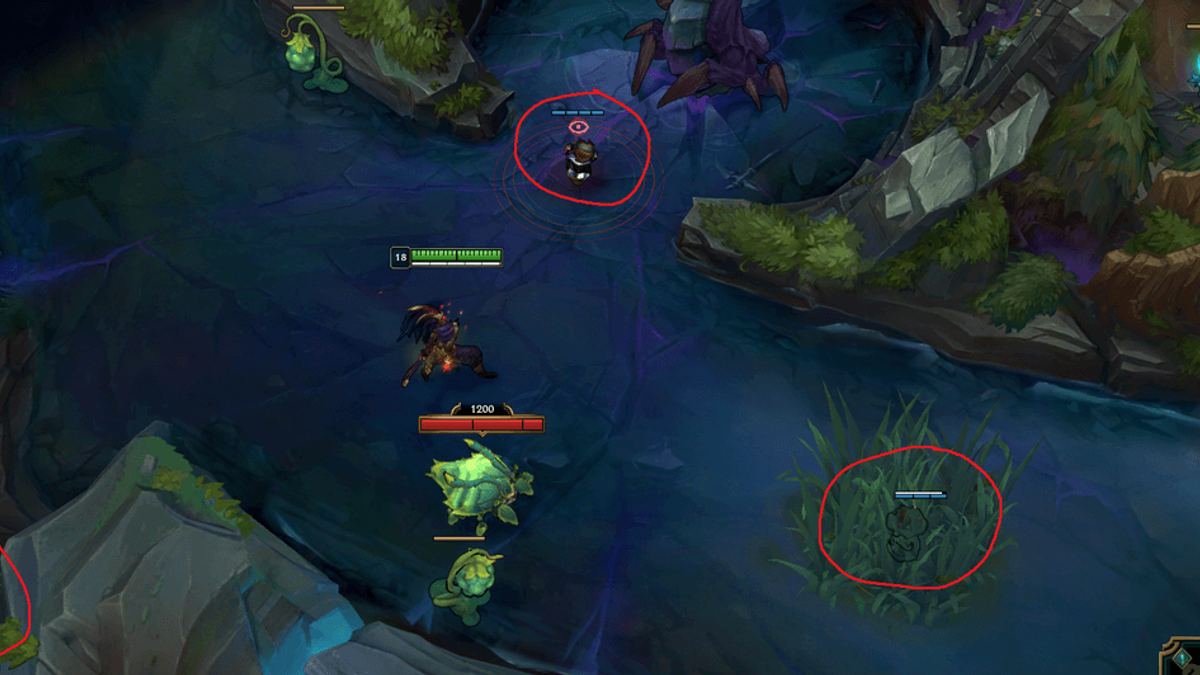
Updated for League of Legends patch 26.15. Rift Herald is easiest to lose before the team touches it. A jungler who begins while both nearby lanes are trapped under tower gives the opponent time, vision and multiple entry angles. The reliable setup creates priority first, removes information and defines how the team exits if the enemy contests.
LoL Rift Herald setup: the plan
Treat the objective as a sequence of lane waves. Top and mid prepare a push, the support or jungler clears the nearest wards, and the team tracks the enemy jungler. Start only when at least one nearby lane can move first and the other cannot collapse freely. Decide before contact whether the plan is finish, turn or leave.
This guide is a repeatable decision framework, not a promise that every opponent or server will react identically. Test it first in a low-stakes environment, record where it breaks and change one variable at a time.
Step-by-step execution
- Step 1: Check top and mid wave states before walking into river. Do not reveal the attempt while allies are still collecting a large wave under tower.
- Step 2: Track the enemy jungler through camps, wards or the previous play. Missing information is a reason to hold a defensive route, not proof that the pit is safe.
- Step 3: Sweep the pit and both practical entrances. Place deeper vision only when the lane with priority can protect the warding player.
- Step 4: Assign one champion to zone while the best sustained damage stays on Herald. Rotate the target to strike the exposed eye efficiently.
- Step 5: At enemy contact, make one call: finish if health and damage allow, turn if the opponent enters a controlled choke, or disengage before being trapped.
- Step 6: After securing the Eye, choose a lane where the summon can convert into plates, a tower or map tempo. Do not hold it until its use becomes forced and predictable.
Assign one player or one clear cue to each transition. Plans often fail because two correct actions happen at different times. Short, specific communication keeps information useful without filling the channel with narration.
Common mistakes
Starting without lane priority is the central mistake. Teams also stack five players inside the pit, giving up every approach and allowing area damage to hit everyone. Another failure is turning after the objective has already reached secure range. Finally, players summon Herald into a full-health defended tower without a wave or follow-up, gaining less than the setup cost.
Do not repair every mistake by adding complexity. First identify whether failure came from information, timing, spacing, resources or execution. The smallest correction is easier to remember and test on the next attempt.
Practice routine
Review three Herald attempts from your match history. At twenty seconds before the start, pause and note wave position, visible enemies and available wards. Then identify the exact moment the team should have started or cancelled. In practice tool, learn damage pace and eye timing with your regular jungle champion.
- Record the first moment the plan became uncertain.
- Check whether the required resource was actually available.
- Review spacing before blaming individual mechanics.
- Keep successful parts when changing the failed step.
Use objective evidence when possible. A replay, demo or saved clip is more reliable than memory after a tense round. Review the decision before the outcome, because a poor choice can succeed and a sound choice can still lose.
Communication and role ownership
Use a countdown tied to the wave: “push mid, start on next crash” creates a shared clock. The zoning player reports the first enemy and whether that champion has hard engage. The jungler calls objective health and Smite range, while laners avoid replacing those numbers with vague panic.
Every required job needs one owner and one backup condition. Name the information that triggers the action rather than asking a teammate to guess from tone. When several players can solve the same problem, use the cheapest resource first.
Adaptation checklist
If top cannot move, use mid priority to ward the upper river and wait rather than forcing. When the enemy jungler shows on the opposite side, begin quickly but still respect Teleport and roaming support paths. Against strong area control, spread around the pit and preserve an exit. A losing fight is not repaired by adding Herald damage.
If an update changes geometry, economy, cooldowns or damage, retest the affected step instead of assuming the entire guide is obsolete. The version label at the top defines the boundary of this advice.
Final routine
The routine is push, track, sweep, assign, start and make one contest call. Secure the Eye only when the player can leave safely, then summon where a prepared wave and nearby teammates can turn it into a lasting map advantage.
Keep one learning goal per session. A narrow objective makes improvement visible and prevents a long checklist from competing with the match itself.
Sources: official information and published records. Factual claims were checked against the linked source and additional primary records; interpretation is our own.
Explore more reporting in the Kaizensclan archive and continue with our practical gaming guides.
Editorial note
Facts and mechanics were checked against the linked primary sources before publication.
- https://www.leagueoflegends.com/en-us/news/game-updates/league-of-legends-patch-26-15-notes/
- Riot Games
This article was reviewed on August 7, 2026.

Related stories
League top-lane freeze guide for patch 26.15
A top-lane freeze is controlled wave imbalance, not simply refusing to attack. Patch 26.15 is the reference version. Keep a small enemy minion advantage.
Thresh support guide for League patch 26.15
This Thresh support guide treats the champion as a decision maker, not a hook lottery. Patch 26.15 is the reference version. Your lane plan should combine.
League patch 26.15 jungle objective trading guide
Objective trading means accepting that the enemy will finish one play and converting the time somewhere else. In patch 26.15, the principle is unchanged by.
Community channel
Join the discussion
Start a thoughtful, specific conversation about this story.
Verified readers only
Continue with Google to comment.
Your Google account creates a reader-only Kaizensclan profile. Your first comment is reviewed before publication.