Thresh support guide for League patch 26.15
This Thresh support guide treats the champion as a decision maker, not a hook lottery. Patch 26.15 is the reference version. Your lane plan should combine.

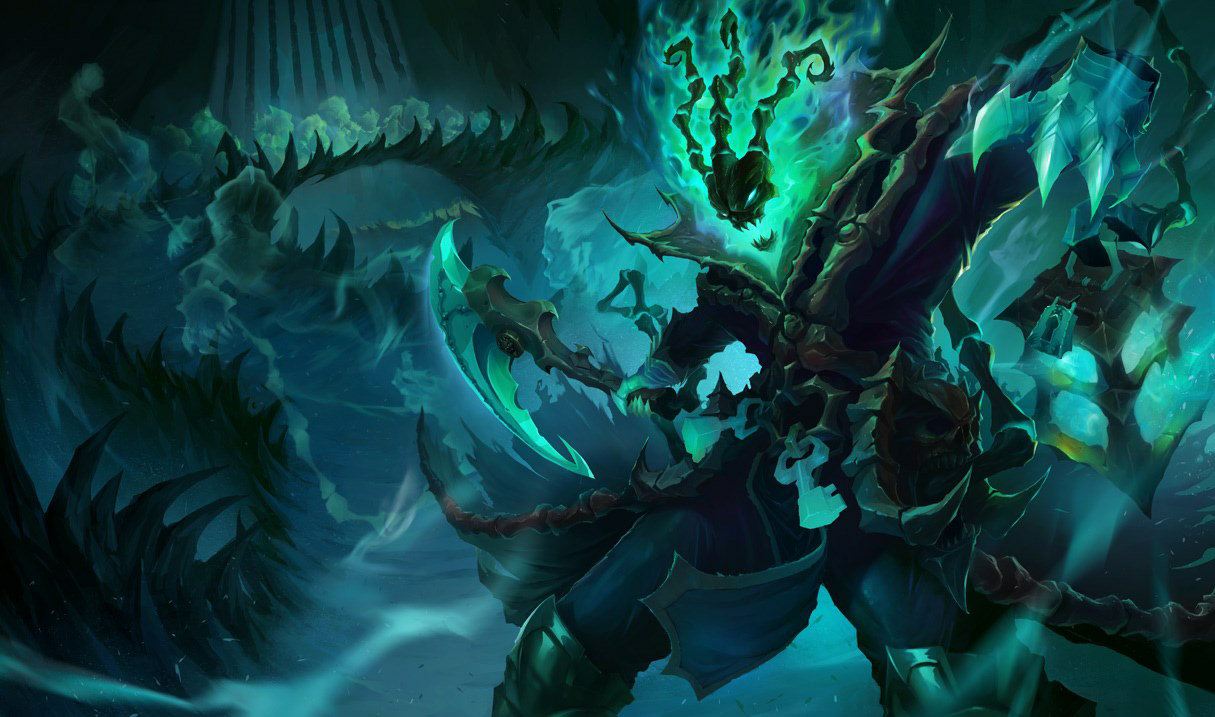
Updated for League of Legends patch 26.15. This Thresh support guide treats the champion as a decision maker, not a hook lottery. Patch 26.15 is the reference version. Your lane plan should combine brush control, Flay threat and a lantern path for the marksman while leaving enough health to contest the next wave or objective.
Thresh support guide: the core plan
Level one, decide whether Flay’s immediate displacement or Death Sentence’s longer threat better fits the lane. Stand where the enemy must respect both your attack range and an engage without leaving your carry exposed. Build vision around the next play: river wards support roams, lane wards reveal brush pressure, and deep wards are only useful when the team can safely defend them.
This is a repeatable decision framework, not a promise that every opponent or server will react identically. Test it in a low-stakes environment, record where it breaks and change one variable at a time.
Step-by-step execution
- Step 1: Before minions meet, identify the dangerous enemy cooldown, the likely jungle route and whether your marksman wants level two first. Ping the exact minion that will grant the level advantage.
- Step 2: Use brush movement to hide your cast start, but do not hook through a full wave. Walk forward, threaten Flay and let the opponent spend movement before committing Death Sentence.
- Step 3: When a hook lands, wait a fraction before reactivating if moving immediately would leave your carry behind. Use Flay to interrupt a dash or pull the target into allied damage, then place The Box across the escape route.
- Step 4: Throw Dark Passage where the ally can click it without walking toward the threat. A lantern behind your carry is safer than one placed underneath enemy models, wards or crowded minions.
- Step 5: On a roam, leave after the wave is stable or your carry can farm safely. Approach mid through unwarded terrain, threaten from fog and return before a stacked bot wave crashes.
- Step 6: Before dragon, replace expired river vision, keep one ward for the approach and stand beside the teammate who can follow a pick. A hook into darkness is not automatically good if the enemy front line wants to enter first.
Assign one player or one clear cue to every transition. Plans often fail because two correct actions happen at different times. Short, specific communication keeps information useful without filling the channel with narration.
Common mistakes
Fishing hooks on cooldown tells the opponent exactly when the lane is safe. Reactivating every hit can turn a useful catch into a support death. Lanterns fail when they arrive late, overlap the ally or require a click through clutter. Roams also become losses when Thresh leaves a vulnerable carry under a frozen wave.
Do not repair every failure by adding complexity. First decide whether the cause was information, timing, spacing, resources or execution. The smallest correction is easiest to remember and test on the next attempt.
Practice routine
In Practice Tool, hook three moving targets from different angles, then repeat with Flay used first. Place lanterns at maximum useful distance and learn the travel time before an ally can click. Review ten missed hooks and label the cause: minion obstruction, prediction error, range, vision or impatience. In normal games, set one goal—such as saving Flay for dashes—and ignore flashy hook count.
- Record the first moment the plan became uncertain.
- Check whether the required resource was available.
- Review spacing before blaming mechanics.
- Keep successful parts when changing the failed step.
A replay or saved clip is more reliable than memory after a tense attempt. Review the decision before the outcome: a poor choice can succeed, and a sound one can still lose. Repeat the same setup until timing is stable before adding a harder variation.
Communication and role ownership
Say “lantern behind you” before the ally needs it and ping its location. Call whether you intend to take the hook, because teammates position differently for a pick than for a full engage. During objectives, name the enemy without Flash and who supplies follow-up damage. A short retreat call is more valuable than defending a missed hook with extra words.
Adaptation checklist
Against engage supports, keep Flay for their dash and use hook after they commit. Against enchanters, threaten brush angles and coordinate jungle pressure rather than losing health to repeated ranged trades. If your carry is behind, shift from forced lane fights to lantern protection and vision. When ahead, deny routes safely instead of entering fog alone because Thresh appears tanky.
If an update changes geometry, economy, cooldowns or damage, retest the affected step rather than assuming the whole guide is obsolete. The version label above defines the boundary of this advice.
Final routine
Grade the match by saved allies, converted catches and vision that enabled an objective—not raw hooks landed. Check whether every death began with missing information or a mechanically failed play. Preserve the decisions that created a numbers advantage and train the one input that stopped the conversion.
Keep one learning goal per session. A narrow objective makes improvement visible and prevents a long checklist from competing with the match itself. Stop the drill once concentration falls, then return with the same measurable goal.
Sources: primary release notes or official records. Factual claims were checked against these records; interpretation is our own.
Continue with the Kaizensclan archive, our practical guides and the latest game reviews.
Editorial note
Facts and mechanics were checked against the linked primary sources before publication.
This article was reviewed on August 11, 2026.

Related stories
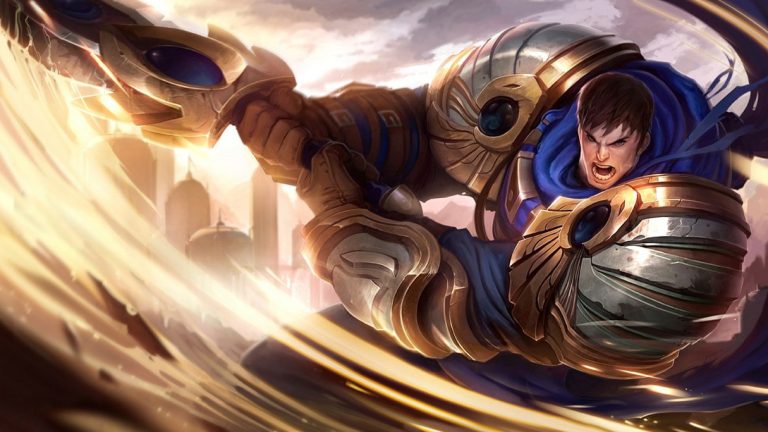
League top-lane freeze guide for patch 26.15
A top-lane freeze is controlled wave imbalance, not simply refusing to attack. Patch 26.15 is the reference version. Keep a small enemy minion advantage.
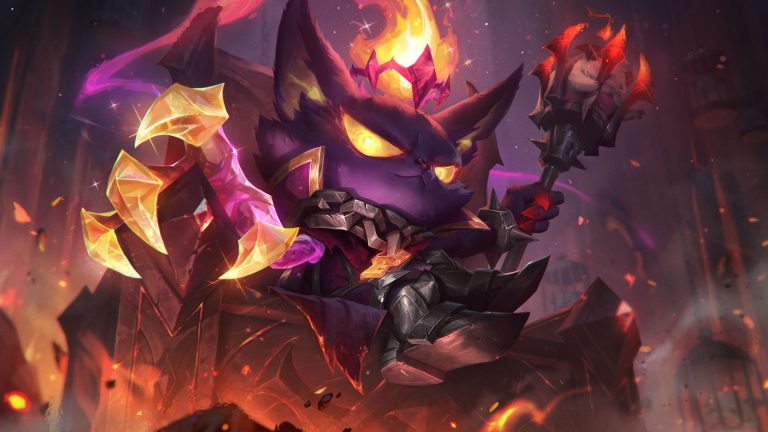
League patch 26.15 jungle objective trading guide
Objective trading means accepting that the enemy will finish one play and converting the time somewhere else. In patch 26.15, the principle is unchanged by.
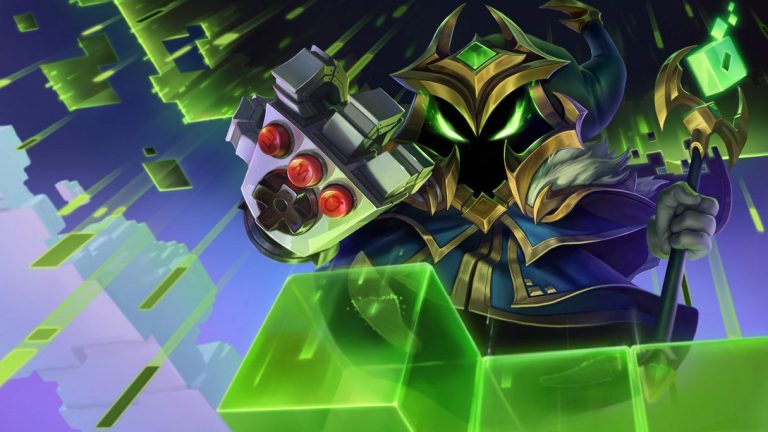
Final Boss Veigar: an arcade villain with readable spells
Final Boss Veigar is a Legendary League of Legends skin built around the fantasy of a video-game end boss. Arcade colors, pixel motifs and a more theatrical.
Community channel
Join the discussion
Start a thoughtful, specific conversation about this story.
Verified readers only
Continue with Google to comment.
Your Google account creates a reader-only Kaizensclan profile. Your first comment is reviewed before publication.