League patch 26.15 jungle objective trading guide
Objective trading means accepting that the enemy will finish one play and converting the time somewhere else. In patch 26.15, the principle is unchanged by.

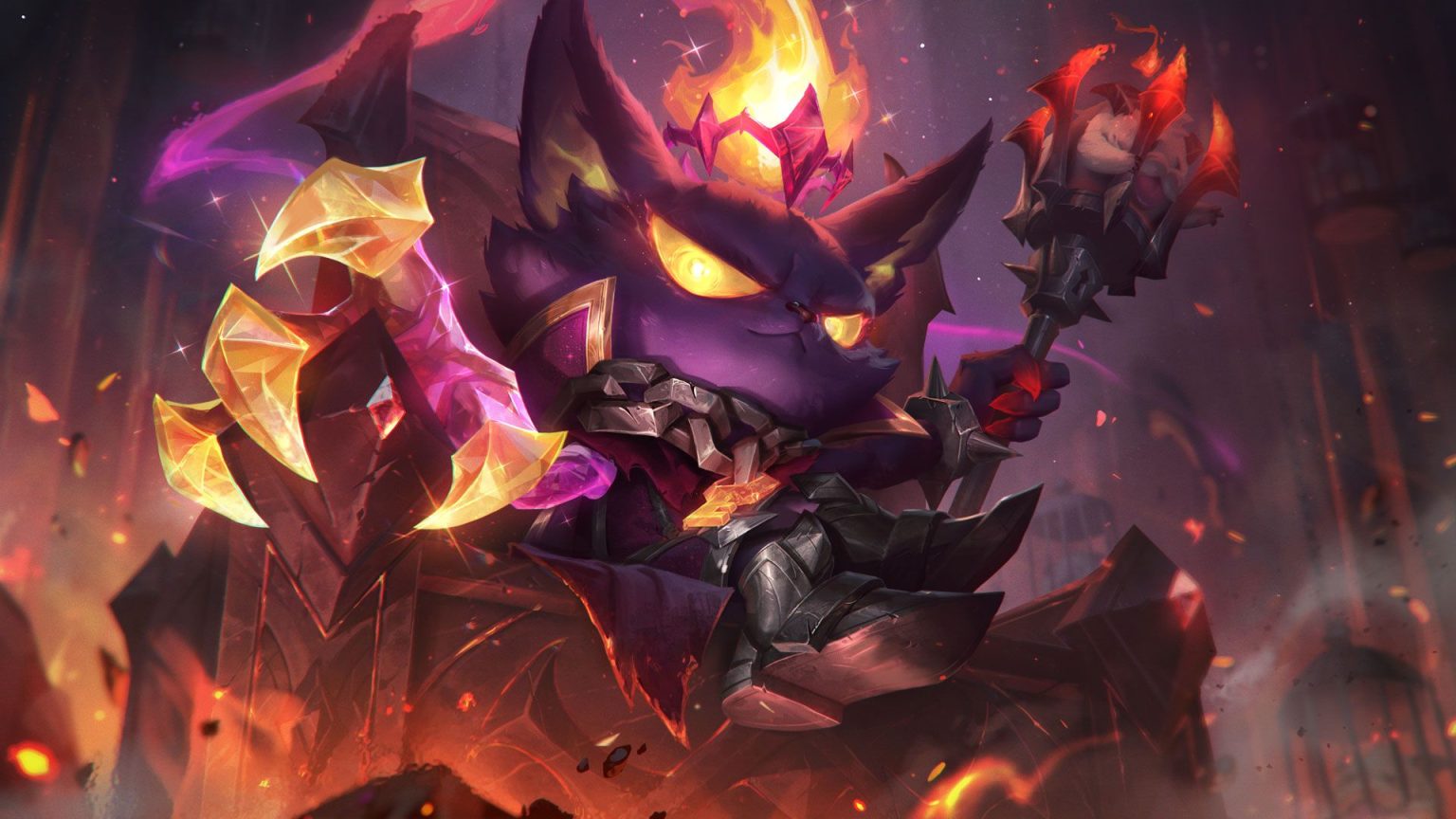
Updated for League of Legends patch 26.15. Objective trading means accepting that the enemy will finish one play and converting the time somewhere else. In patch 26.15, the principle is unchanged by individual champion buffs: identify the contest you cannot reach safely, communicate the concession and take guaranteed value before opponents can reset.
League jungle objective trading: the core plan
Compare numbers, health, ultimate cooldowns, lanes and vision before walking into river. If the enemy has priority and arrived first, choose the opposite objective, invade camps, take plates or reset for the next spawn. A trade is successful only when the team acts together and leaves before the winning enemy group can collapse.
This is a repeatable decision framework, not a promise that every opponent or server will react identically. Test it in a low-stakes environment, record where it breaks and change one variable at a time.
Step-by-step execution
- Step 1: Track dragon, Rift Herald, Baron and major camp timers before they become urgent. Ping the next objective early enough for lanes to prepare their waves rather than abandoning farm at the final second.
- Step 2: Check lane priority and visible enemies. A teammate under tower cannot join first, and an unseen support or teleport can change the numbers even when the scoreboard looks favourable.
- Step 3: State the decision clearly: contest, steal attempt or trade. Mixing these plans sends one player to die while the others start a slow objective on the opposite side.
- Step 4: Push the nearest safe wave before taking the trade. A wave under the enemy tower buys time, denies resources and reveals a defender who cannot immediately collapse.
- Step 5: Choose guaranteed value. A tower with a large allied wave is often better than chasing deep camps without vision; an opposite neutral objective is best only when damage and Smite timing are sufficient.
- Step 6: Leave one source of information near the enemy exit without sacrificing a champion. A ward, plant or long-range ability can show whether the opponents reset or move directly toward your trade.
- Step 7: Finish or disengage on a fixed timer. If the objective takes too long, abandon it before the enemy group arrives with a completed purchase and superior numbers.
- Step 8: Record what was exchanged: objective, plates, tower, camps, waves and summoner spells. Use that result to set the next path instead of arguing about the conceded play.
Assign one player or one clear cue to every transition. Plans often fail because two correct actions happen at different times. Short, specific communication keeps information useful without filling the channel with narration.
Common mistakes
The most common error is arriving late to an already lost river, donating kills and then calling it a contest. Other failures include starting Baron without damage, invading while lanes are pushed in and staying for one extra camp after the enemy disappears.
Do not repair every failure by adding complexity. First decide whether the cause was information, timing, spacing, resources or execution. The smallest correction is easiest to remember and test on the next attempt.
Practice routine
During replay review, pause thirty seconds before every neutral objective and predict which lanes can move first. Compare the prediction with actual movement. In live games, make the trade call before the objective reaches half health.
- Record the first moment the plan became uncertain.
- Check whether the required resource was available.
- Review spacing before blaming mechanics.
- Keep successful parts when changing the failed step.
A replay or saved clip is more reliable than memory after a tense attempt. Review the decision before the outcome: a poor choice can succeed, and a sound one can still lose. Repeat the same setup until timing is stable before adding a harder variation.
Communication and role ownership
The jungler supplies Smite and route information, but the whole team owns the decision. Say “give dragon, take top tower” rather than only “don’t fight.” Laners should report wave state and missing opponents; support should mark the likely collapse route.
Adaptation checklist
If the enemy repeatedly groups early, prepare cross-map waves before the spawn. If your composition scales better, value survival and guaranteed farm. If one ally has a strong flank or teleport, a delayed contest may be possible, but confirm the ward and timing first.
If an update changes geometry, economy, cooldowns or damage, retest the affected step rather than assuming the whole guide is obsolete. The version label above defines the boundary of this advice.
Final routine
Good trading removes panic. Read priority, make one team call, collect the safest available value and leave before the enemy can claim both sides of the map.
Keep one learning goal per session. A narrow objective makes improvement visible and prevents a long checklist from competing with the match itself. Stop the drill once concentration falls, then return with the same measurable goal.
Sources: primary release notes or official records. Factual claims were checked against these records; interpretation is our own.
Continue with the Kaizensclan archive, our practical guides and the latest game reviews.
Editorial note
Facts and mechanics were checked against the linked primary sources before publication.
This article was reviewed on August 10, 2026.

Related stories
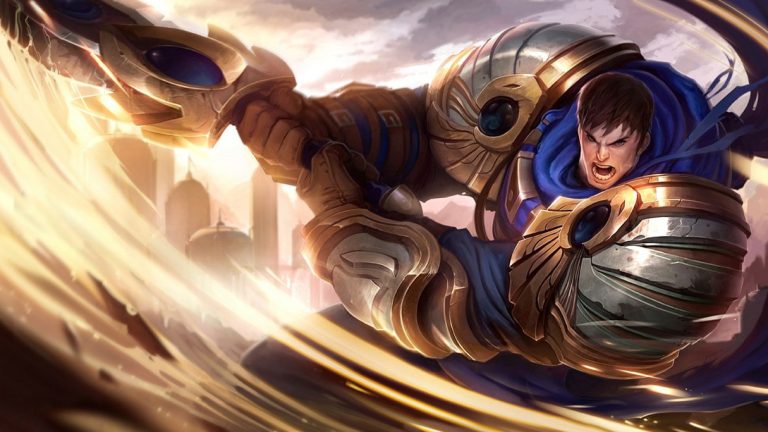
League top-lane freeze guide for patch 26.15
A top-lane freeze is controlled wave imbalance, not simply refusing to attack. Patch 26.15 is the reference version. Keep a small enemy minion advantage.
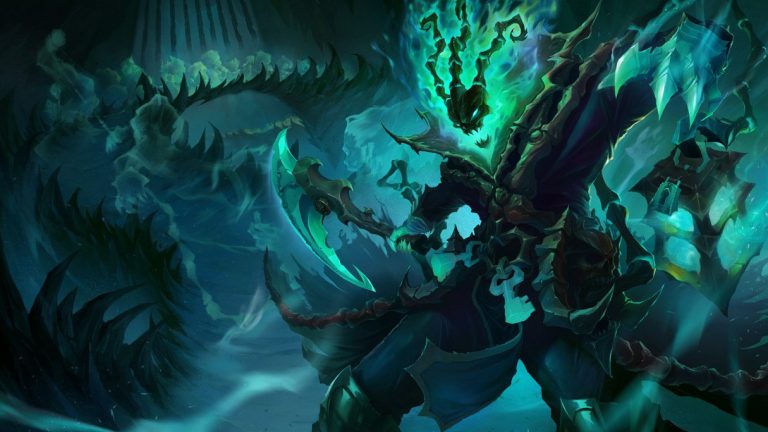
Thresh support guide for League patch 26.15
This Thresh support guide treats the champion as a decision maker, not a hook lottery. Patch 26.15 is the reference version. Your lane plan should combine.
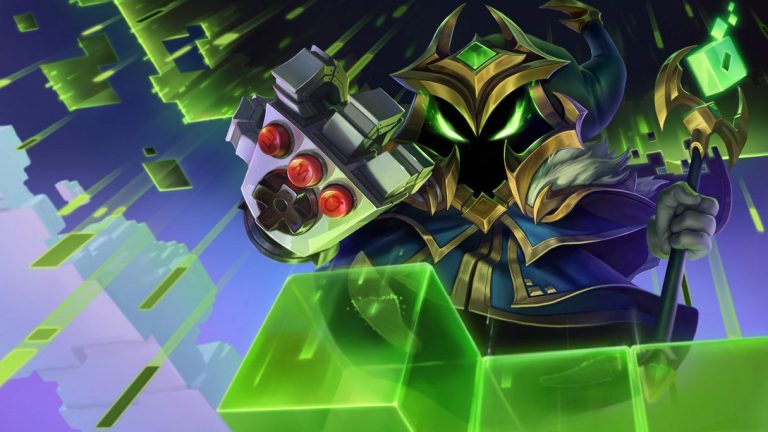
Final Boss Veigar: an arcade villain with readable spells
Final Boss Veigar is a Legendary League of Legends skin built around the fantasy of a video-game end boss. Arcade colors, pixel motifs and a more theatrical.
Community channel
Join the discussion
Start a thoughtful, specific conversation about this story.
Verified readers only
Continue with Google to comment.
Your Google account creates a reader-only Kaizensclan profile. Your first comment is reviewed before publication.