LoL Locke mid-lane guide for patch 26.15
This Locke mid-lane guide covers patch 26.15 trading, Ritual Nails, Soul Ignition, Ashen Pursuit, roaming and objective setup. Read the verified details.

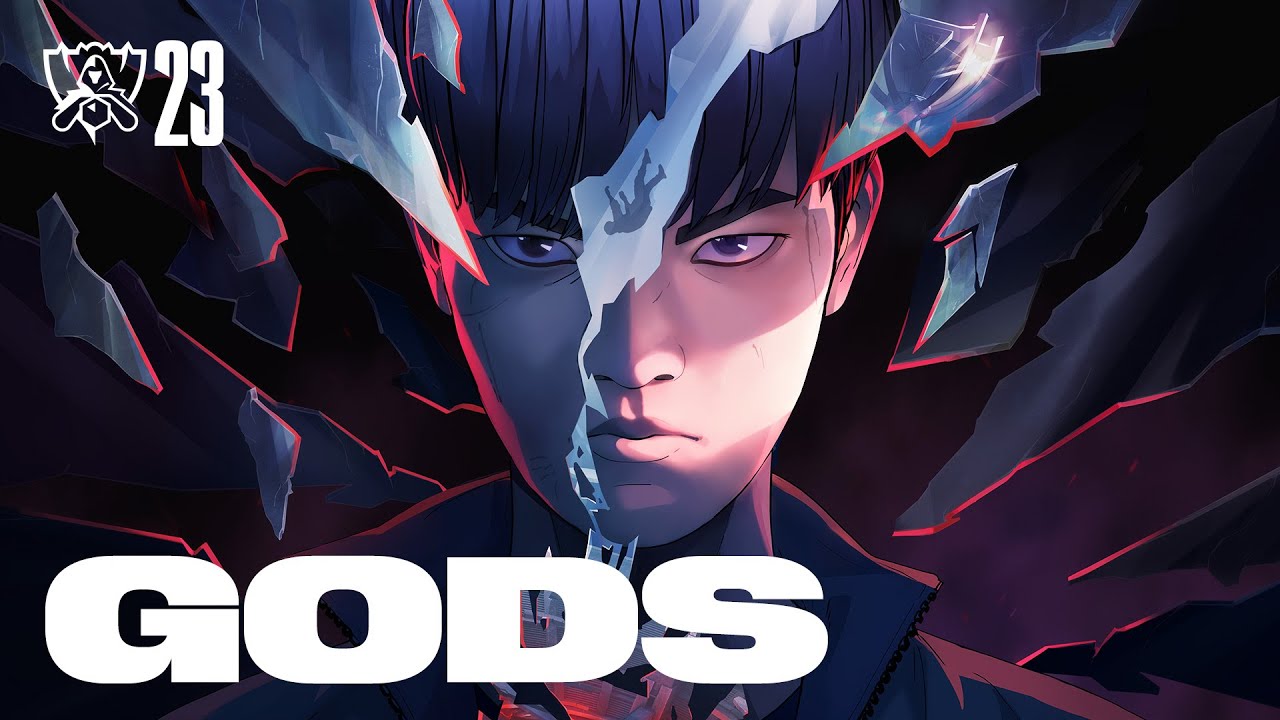
Updated for League of Legends patch 26.15. Patch 26.15 reduced Locke’s base health, Ritual Nails damage and the safety gained from levelling Soul Ignition. The assassin still threatens a marked target, but the lane now rewards planned trades and exit routes more than repeated all-ins.
Locke mid-lane guide: the plan
Use Ritual Nails to establish marks without surrendering the wave. Soul Ignition supplies attack and movement speed at a health cost, so activate it when the trade has a clear duration and retreat. Ashen Pursuit should create an angle or secure the exit; using both stages only to enter leaves the opponent an obvious response.
This guide is a repeatable decision framework, not a promise that every opponent or server will react identically. Test it first in a low-stakes environment, record where it breaks and change one variable at a time.
Step-by-step execution
- Step 1: Before the first wave meets, identify the enemy’s key punish cooldown and the side of lane protected by your jungler or vision.
- Step 2: Last-hit without spending every Nail. When the opponent approaches a predictable minion, place a Nail so the mark and farm decision overlap.
- Step 3: Start a short trade only when a mark is available and the return path is clear. Activate Soul Ignition late enough that its self-damage is buying real attacks or movement.
- Step 4: Keep Ashen Pursuit flexible. The teleport can change the angle, while the dash crosses targets; do not finish the sequence under hostile crowd control without a kill threshold.
- Step 5: At level six, track Purgatory’s execute condition and the artifact recovery. A missed or reflected ultimate should end the commitment unless another advantage is already secured.
- Step 6: Push before roaming. Move through vision-controlled terrain and return when the side lane does not offer a target; losing two waves for a hopeful chase destroys the assassin’s timing.
Assign one player or one clear cue to each transition. Plans often fail because two correct actions happen at different times. Short, specific communication keeps information useful without filling the channel with narration.
Common mistakes
The most common error is treating Soul Ignition as free movement and ignoring the health it consumes. Other problems include throwing all Nails before the opponent contests a minion, using Ashen Pursuit with no exit and roaming from a frozen or crashing enemy wave. Patch 26.15 makes those early costs harder to hide.
Do not repair every mistake by adding complexity. First identify whether failure came from information, timing, spacing, resources or execution. The smallest correction is easier to remember and test on the next attempt.
Practice routine
Use the practice tool to measure the three-Nail pattern at several distances, then rehearse a trade that ends outside melee retaliation. In normal games, track one metric: health remaining after every Soul Ignition trade. Review whether the spell created damage, position or neither.
- Record the first moment the plan became uncertain.
- Check whether the required resource was actually available.
- Review spacing before blaming individual mechanics.
- Keep successful parts when changing the failed step.
Use objective evidence when possible. A replay, demo or saved clip is more reliable than memory after a tense attempt. Review the decision before the outcome, because a poor choice can succeed and a sound choice can still lose.
Communication and role ownership
Tell the jungler when a marked target and Pursuit route are available. Before roaming, ping the wave state and the side you are entering. A failed move is less damaging when teammates know not to force before Locke arrives.
Every required job needs one owner and one backup condition. Name the information that triggers the action rather than asking a teammate to guess from tone. When several players can solve the same problem, use the cheapest resource first.
Adaptation checklist
Against long-range control, preserve health and use marks around last-hit windows. Against melee champions, hold a Nail for their approach and avoid matching sustained damage. If the enemy support disappears, stop the side-lane chase and use the pushed wave to secure vision or a neutral objective.
If an update changes geometry, economy, cooldowns or damage, retest the affected step instead of assuming the entire guide is obsolete. The version label at the top defines the boundary of this advice.
Final routine
Create the mark, define the exit, then spend health for a trade with a measurable payoff. Locke remains dangerous in 26.15, but the lane belongs to players who treat safety as part of the combo rather than an event after it.
Keep one learning goal per session. A narrow objective makes improvement visible and prevents a long checklist from competing with the match itself.
Sources: official information and published records. Factual claims were checked against the linked source and additional primary records; interpretation is our own.
Explore more reporting in the Kaizensclan archive and continue with our practical gaming guides.
Editorial note
Facts and mechanics were checked against the linked primary sources before publication.
- https://www.leagueoflegends.com/en-us/news/game-updates/league-of-legends-patch-26-15-notes/
- Riot Games
This article was reviewed on August 10, 2026.

Related stories
League top-lane freeze guide for patch 26.15
A top-lane freeze is controlled wave imbalance, not simply refusing to attack. Patch 26.15 is the reference version. Keep a small enemy minion advantage.
Thresh support guide for League patch 26.15
This Thresh support guide treats the champion as a decision maker, not a hook lottery. Patch 26.15 is the reference version. Your lane plan should combine.
League patch 26.15 jungle objective trading guide
Objective trading means accepting that the enemy will finish one play and converting the time somewhere else. In patch 26.15, the principle is unchanged by.
Community channel
Join the discussion
Start a thoughtful, specific conversation about this story.
Verified readers only
Continue with Google to comment.
Your Google account creates a reader-only Kaizensclan profile. Your first comment is reviewed before publication.