Dota 2 Tormentor decision guide for Patch 7.41e
Use this Dota 2 Tormentor decision guide to check timing, damage, vision, enemy position and objective trades before committing on Patch 7.41e. Analysis.

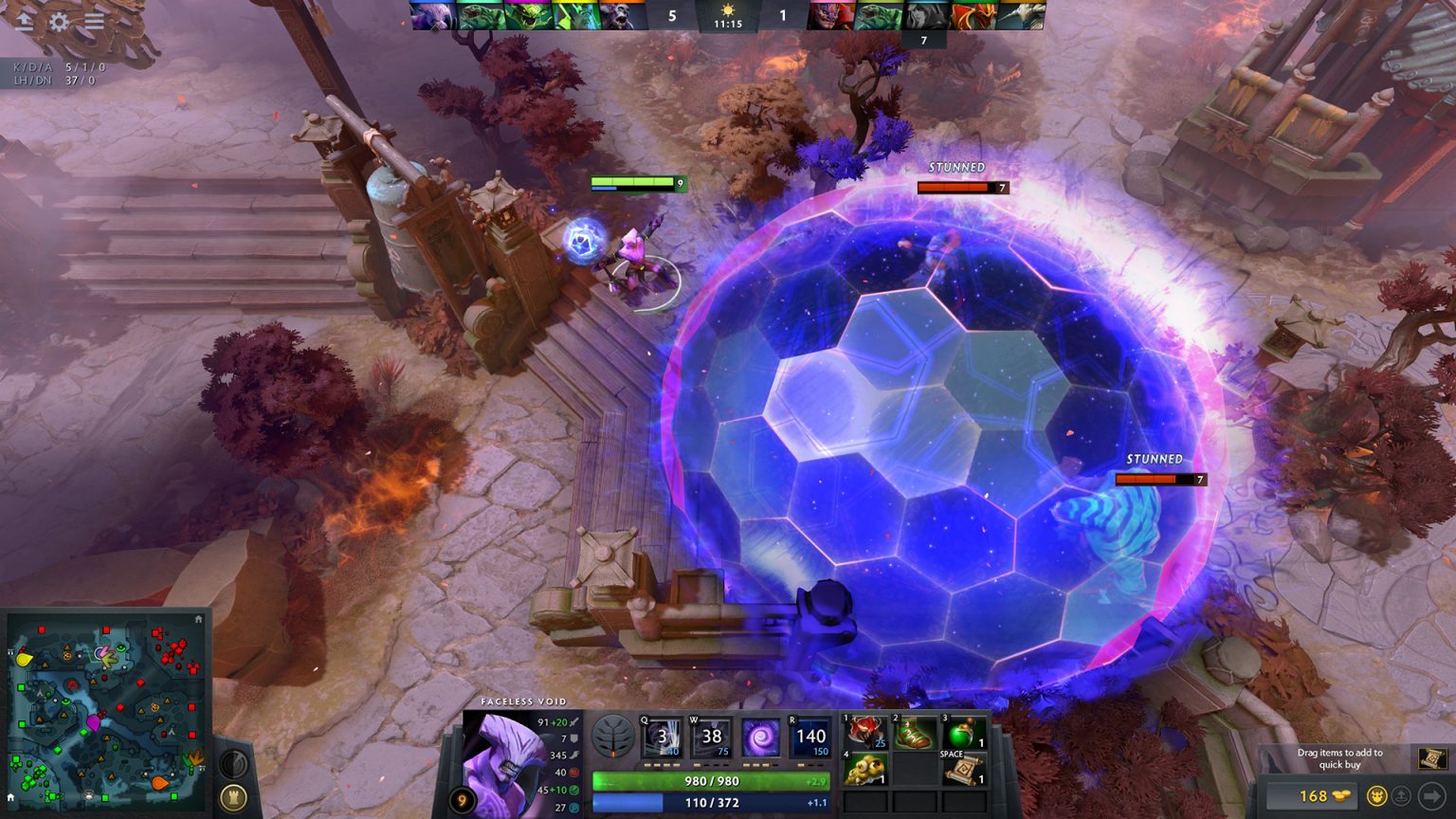
This Dota 2 Tormentor decision guide helps teams decide when the neutral objective is worth the time, health and map information it costs. It is updated for Patch 7.41e. Because Valve can change objective mechanics, confirm the live tooltip and current notes before relying on exact values.
Step 1: confirm the Tormentor is available
Check the game clock, the objective’s visible state and whether either side has already taken it. Do not move three heroes across the map on memory alone.
State whose side the team intends to visit. An enemy-side attempt carries different vision and retreat risks from taking the nearer objective.
Step 2: identify the reward before committing
List which eligible heroes can receive the upgrade and how much immediate value it creates. A free upgrade can be powerful, but random eligibility means the result may not match the team’s preferred recipient.
If the likely upgrades do not change the next fight, the team can delay rather than treating availability as an order.
Step 3: count the damage and sustain package
Tormentor damage reflects back on attackers, so raw damage per second is not the only requirement. Count healing, barriers, summons, resistance and which hero can safely maintain contact.
Test the composition in a controlled lobby when possible. A plan based on another lineup may fail because one sustain tool is absent.
Step 4: push nearby lanes first
Move the closest waves so opponents must reveal or lose farm and structures. Five missing heroes beside an unpushed lane broadcast the objective and surrender map pressure.
A pushed wave also creates information during the attempt: a defender showing elsewhere reduces the immediate contest threat.
Step 5: place vision on approach routes
Ward the paths that matter to the current attempt, then use a sentry or detection to reduce enemy information. Do not spend all vision directly on the pit if the dangerous initiation comes from outside it.
The support who finishes warding should not automatically begin tanking reflected damage. Assign roles before the first hit.
Step 6: set a hard abort condition
Examples include two opponents disappearing from lanes, Roshan becoming contestable, a core dropping below safe health or a key spell being forced. Say the condition aloud so the team stops together.
Half-committing is the worst outcome: the team reveals itself, loses health and still leaves the objective alive.
Step 7: compare the cross-map trade
Ask what the opponent gains during the attempt. A Tormentor is poor value if it costs Roshan, a barracks or multiple uncontested towers. The reward must be evaluated inside the full map economy.
If the enemy is committed to the opposite side, the objective can become a controlled trade rather than a secret play.
Step 8: reset after the reward
Do not walk directly into the next fight with reflected-damage health totals and missing cooldowns. Heal, distribute resources and state which hero received the upgrade.
Use our support map guide for the vision layer and our Patch 7.41e report for current context. Valve’s official Dota 2 news remains the mechanics authority.
Step 9: hide the attempt only when secrecy helps
Smoke can conceal movement, but spending a major team resource is justified only if surprise changes the safety or speed of the objective. If lanes already reveal every opponent, ordinary movement may preserve Smoke of Deceit for the next play.
Likewise, avoid showing distinctive summons or wards too early. The best concealment is often normal map behaviour followed by a short, coordinated move.
Step 10: assign the next 45 seconds
Before leaving, name the next lane, farm area and defensive vision line. The upgrade should accelerate a concrete action rather than create five separate resets. If a support receives a strong team-fight improvement, protect the cooldown until allies can use it.
In replay review, compare the objective’s completion time with enemy gains. A successful kill is still strategically poor if the other team obtained a larger objective uncontested.
In solo queue, compress the plan into pings and one sentence: objective, required heroes and abort condition. If teammates do not respond, do not begin a slow attempt alone. Continue farming safely and revisit the decision when positions are visible. Coordination is part of the objective’s cost.
For captains, save one replay timestamp for every Tormentor call. Compare the information at the decision with the information available afterward. This separates a bad choice from a reasonable choice that produced an unlucky result.
Keep the checklist short enough to use during a real match: available, worthwhile reward, enough sustain, lanes pushed, approaches warded, trade acceptable. If two answers are clearly negative, delay. A good objective call is not the fastest possible call; it is the fastest call supported by the map.
Practice note: Run the Dota 2 Tormentor decision guide checklist in a custom lobby or low-stakes match before using it in competition. Record one decision that worked and one that arrived late. Update only the relevant step after a patch instead of discarding the complete process.
Editorial note
Facts and mechanics were checked against the linked primary sources before publication.
This article was reviewed on August 6, 2026.

Related stories
Dota 2 Watcher control guide for patch 7.41e
Dota 2 Watcher control is useful when it protects the next movement, not when a support activates every structure on cooldown. Patch 7.41e is the reference.
Dota 2 Twin Gate rotation guide for patch 7.41e
A Dota 2 Twin Gate rotation trades travel time for commitment. Patch 7.41e is the reference version. Use the gate when the destination creates a numbers.
Dota 2 courier control guide for patch 7.41e
Good Dota 2 courier control protects a timing rather than chasing perfect convenience. Patch 7.41e is the reference version. Each player owns a courier, but.
Community channel
Join the discussion
Start a thoughtful, specific conversation about this story.
Verified readers only
Continue with Google to comment.
Your Google account creates a reader-only Kaizensclan profile. Your first comment is reviewed before publication.