Dota 2 courier control guide for patch 7.41e
Good Dota 2 courier control protects a timing rather than chasing perfect convenience. Patch 7.41e is the reference version. Each player owns a courier, but.

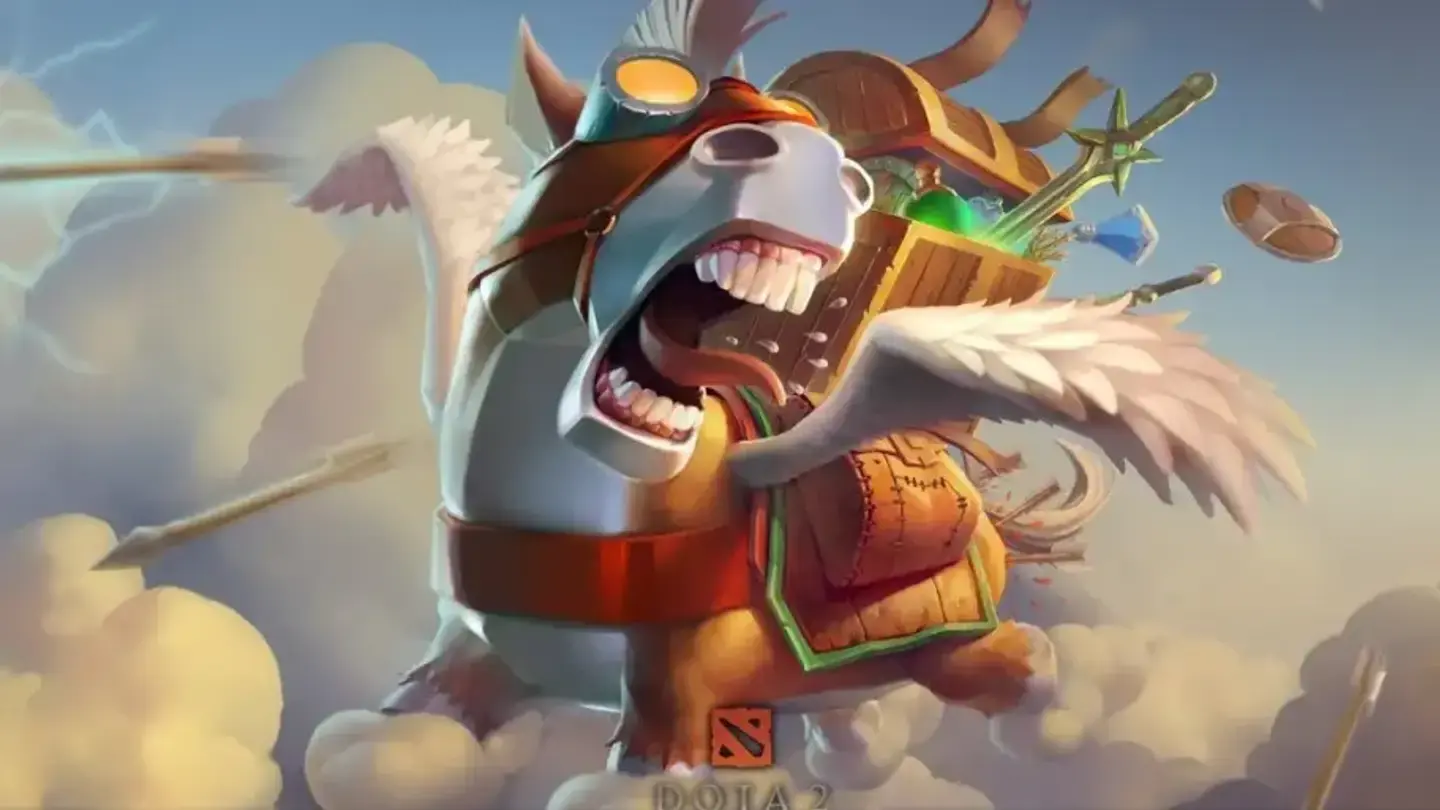
Updated for Dota 2 patch 7.41e. Good Dota 2 courier control protects a timing rather than chasing perfect convenience. Patch 7.41e is the reference version. Each player owns a courier, but its route still reveals information, risks gold and can delay the exact regeneration or component needed to hold a lane.
Dota 2 courier control: the core plan
Before sending, identify the item that changes the next minute. Regen for a pressured lane, Boots before a rotation or a completed component may justify an immediate trip; a cheap stat item often can wait. Route behind allied towers and known vision, use speed or shield abilities when available, and avoid dragging the courier across an active fight.
This is a repeatable decision framework, not a promise that every opponent or server will react identically. Test it in a low-stakes environment, record where it breaks and change one variable at a time.
Step-by-step execution
- Step 1: Queue purchases deliberately and check whether an item remains in the stash. Combine components at the safest location instead of sending two separate trips without noticing.
- Step 2: Select the courier and inspect its path before pressing deliver. If the direct line crosses a missing enemy lane, manually add waypoints behind towers or through controlled terrain.
- Step 3: Watch the minimap while it travels. A missing support, fresh ward or night-time smoke timing is a reason to stop the courier at a tower rather than trusting an old route.
- Step 4: Use the courier’s active protection for a real interception risk, not simply to save a few seconds. An ability on cooldown cannot answer the enemy who revealed specifically to kill it.
- Step 5: After delivery, send the courier home along a safe path. Do not leave it hovering near the lane, where its position can reveal your hero’s likely location and invite an easy kill.
- Step 6: During a team fight, prioritize hero control unless the courier carries a decisive item and can safely reach the rear. Never fly it through spell effects to complete an upgrade that cannot be used by a dead hero.
Assign one player or one clear cue to every transition. Plans often fail because two correct actions happen at different times. Short, specific communication keeps information useful without filling the channel with narration.
Common mistakes
Automatic delivery is dangerous when the map state changed after purchase. Players also forget neutral items, recipes or wards in the stash and make unnecessary trips. Another common error is microing the courier during a last hit or fight, losing more value on the hero than the route could save. Cutting through the river because it is shorter is rarely worth exposed vision.
Do not repair every failure by adding complexity. First decide whether the cause was information, timing, spacing, resources or execution. The smallest correction is easiest to remember and test on the next attempt.
Practice routine
Use a bot lobby to bind courier select, deliver, return and burst commands to comfortable keys. Buy small components and practice adding waypoints without moving the hero. In replays, find every courier death or delayed item and freeze ten seconds earlier. Record what information was visible at the time; the goal is not clairvoyance but correct use of known missing heroes and wards.
- Record the first moment the plan became uncertain.
- Check whether the required resource was available.
- Review spacing before blaming mechanics.
- Keep successful parts when changing the failed step.
A replay or saved clip is more reliable than memory after a tense attempt. Review the decision before the outcome: a poor choice can succeed, and a sound one can still lose. Repeat the same setup until timing is stable before adding a harder variation.
Communication and role ownership
Tell allies when a shared consumable or ward is arriving and which tower is the safe pickup point. If an enemy is hunting couriers, name the hero and last location. Do not demand another player abandon a fight to protect a low-value delivery. A concise “courier holding behind tier one” lets the lane plan around the delay.
Adaptation checklist
When enemies control your jungle, route along the opposite side and collect at a tower. Against mobile hunters, hold deliveries until they show. If a lane is collapsing, redirect before the courier reaches the threatened tower. During base defense, keep couriers away from fountain-path congestion and ensure buyback gold is not accidentally spent on a component with no immediate use.
If an update changes geometry, economy, cooldowns or damage, retest the affected step rather than assuming the whole guide is obsolete. The version label above defines the boundary of this advice.
Final routine
At the end of a match, review only deliveries tied to a death, lost lane resource or missed timing. Ask whether the trip was necessary, whether the route used known safe ground and whether micro distracted from the hero. One safer waypoint that becomes automatic is more useful than memorizing elaborate routes for every map state.
Keep one learning goal per session. A narrow objective makes improvement visible and prevents a long checklist from competing with the match itself. Stop the drill once concentration falls, then return with the same measurable goal.
Sources: primary release notes or official records. Factual claims were checked against these records; interpretation is our own.
Continue with the Kaizensclan archive, our practical guides and the latest game reviews.
Editorial note
Facts and mechanics were checked against the linked primary sources before publication.
This article was reviewed on August 11, 2026.

Related stories
Dota 2 Watcher control guide for patch 7.41e
Dota 2 Watcher control is useful when it protects the next movement, not when a support activates every structure on cooldown. Patch 7.41e is the reference.
Dota 2 neutral item choices guide for patch 7.41e
Patch 7.41e is the boundary for this guide. Neutral item selection should answer the next fight’s real constraint: survival, reach, mana, farming tempo, dispe.

Dota 2 Kez carry guide for patch 7.41e
Play Kez carry in Dota 2 patch 7.41e with disciplined stance changes, farming routes, target selection, defensive timing and Roshan calls. Read our verified.
Community channel
Join the discussion
Start a thoughtful, specific conversation about this story.
Verified readers only
Continue with Google to comment.
Your Google account creates a reader-only Kaizensclan profile. Your first comment is reviewed before publication.