Dota 2 Roshan control guide for Patch 7.41e
This Dota 2 Roshan control guide for Patch 7.41e covers timing windows, vision, smoke paths, pit positioning, abort calls and post-Aegis objective plans.

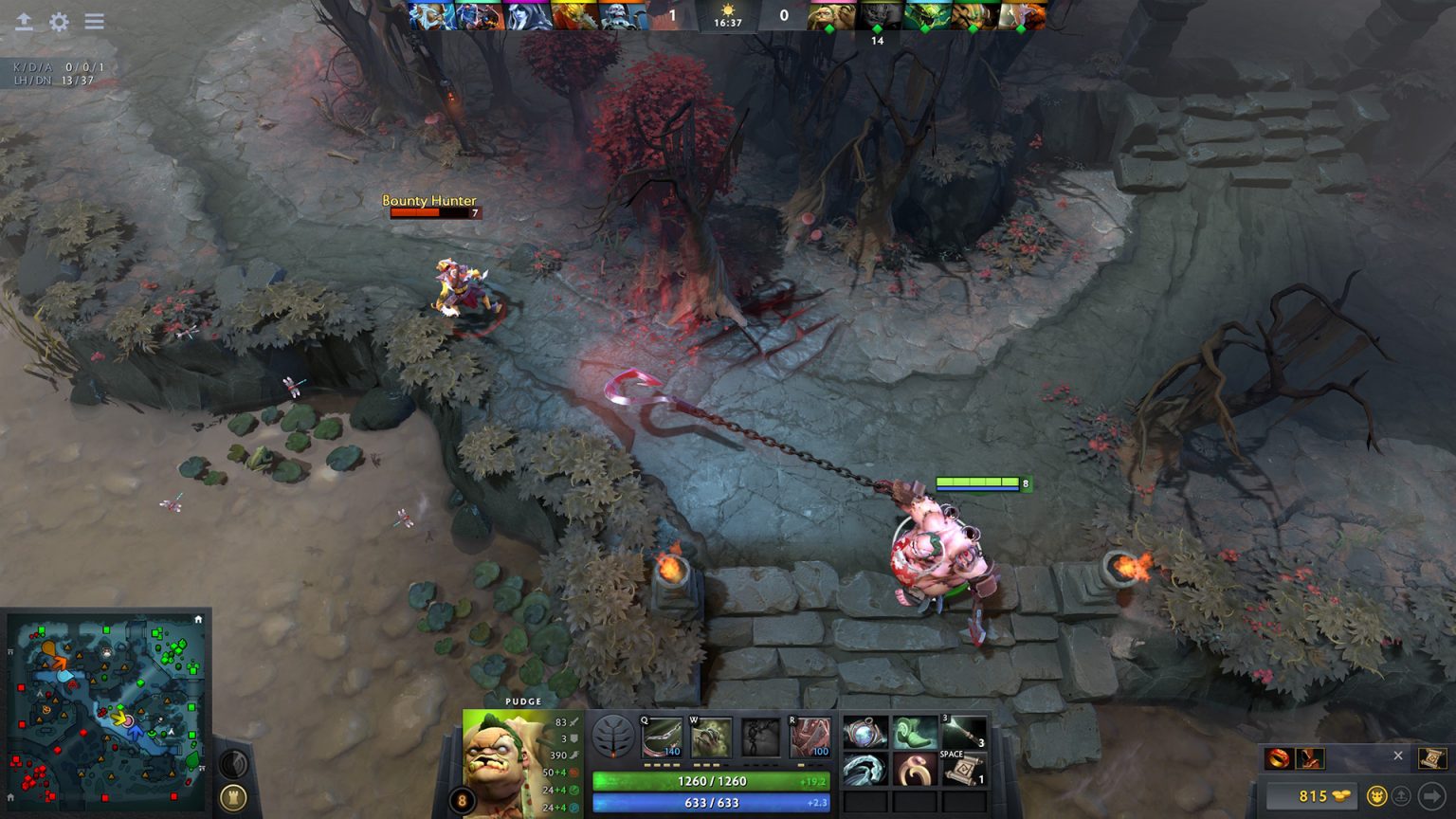
Updated for Dota 2 Patch 7.41e.
This Dota 2 Roshan control guide is for teams that win a fight and then turn the objective into a second fight they cannot finish. The checklist covers information, damage, vision, smoke routes, buybacks and the exit after the Aegis is claimed.
Patch balance changes can alter which heroes kill Roshan quickly, so test the current lineup instead of relying on memory from an older version.
1. State why Roshan is available
Use a concrete reason: the enemy carry is dead without buyback, two heroes showed on the opposite side, the team has a decisive damage item or a successful smoke secured the area.
“We are ahead” is not enough. A leading team can still enter the pit without vision and lose the game in one confined fight.
2. Check damage and tanking before moving
- Who deals sustained physical or magical damage?
- Who can tank without arriving at the next fight on no health?
- Which armour reduction or summon accelerates the attempt?
- How many seconds does the current lineup need?
Run the check during a quiet moment in a real match or lobby. Guessing inside the pit is the expensive version.
3. Push the nearest lanes first
Lane position creates information. An enemy who answers a distant wave cannot appear at the pit immediately; an ignored wave pressures a tower while the objective is contested.
Do not spend so long pushing that the original opportunity disappears. Assign the fastest safe hero and set a return timing.
4. Place vision for approaches, not the pit floor
The team already knows what is happening inside the pit. Wards should reveal the ramp, portal route, high ground or flank from which the enemy can interrupt.
Use sentries to protect the most important observer and detect enemy vision. A deward that exposes a support alone is not worth losing the hero who carries the smoke.
5. Decide between smoke control and immediate damage
If the enemy is missing and the attempt is slow, smoke first to find or displace the nearest hero. If two cores are dead and the kill is fast, start immediately while supports guard entrances.
Mixing the calls wastes both advantages: half the team hits Roshan while half searches the jungle.
6. Assign three pit roles
- Damage: kills Roshan and preserves essential cooldowns where possible.
- Tank: manages health and positioning so damage dealers keep attacking.
- Security: holds the most dangerous entrance, breaks smoke and communicates enemy movement.
A five-player team can double roles, but every entrance still needs ownership.
7. Track buybacks and teleport access
An enemy who died recently may return. Call known buyback status and identify which structure or outpost gives the fastest route back to the fight.
Your own buybacks matter too. Committing a core without buyback to a blind pit is different from taking the same risk with a second life available.
8. Leave the pit with a plan
Claiming Aegis is not the end of the play. Distribute other drops, reset health and mana, then choose the lane or structure that converts the reward.
Do not take an immediate high-ground fight only because the team feels powerful. Aegis can support map control, a key item timing or the next objective without being spent in 30 seconds.
9. Review the decision, not only the result
A successful Roshan can still be a poor call if the enemy simply failed to check. A failed attempt can contain a sound decision ruined by one unguarded entrance. Separate the call from execution during review.
Valve’s Patch 7.41e page is the balance reference. Our Tormentor decision guide applies the same risk-and-reward framework to another neutral objective, while our report on the 7.41e update explains the current patch context.
Practice note: In the next five matches, state the four inputs—enemy location, damage time, vision and exit—before every Roshan attempt. Cancel when two inputs are unknown.
A three-cycle Roshan drill
In a lobby or replay, pause at three possible Roshan windows and assign one player to state the damage, vision and enemy-location requirements. The team should name the abort condition before entering the pit.
Repeat the exercise with one key ward removed and one enemy smoke unaccounted for. If the plan still says “start Roshan,” it needs a stronger safety rule. Good control is not measured by how quickly the team attacks the objective; it is measured by how rarely the pit turns uncertain information into a lost fight.
Assign the Aegis carrier and the first post-Roshan lane before the objective falls. A team that celebrates inside the pit gives opponents time to reset vision and defend the next move.
Finally, review the exits. Each hero should know whether to leave through the same ramp, teleport to a lane or hold the pit area for a returning enemy. The objective is complete only when its reward reaches the map safely.
Editorial note
Facts and mechanics were checked against the linked primary sources before publication.
This article was reviewed on August 6, 2026.

Related stories
Dota 2 Watcher control guide for patch 7.41e
Dota 2 Watcher control is useful when it protects the next movement, not when a support activates every structure on cooldown. Patch 7.41e is the reference.
Dota 2 Twin Gate rotation guide for patch 7.41e
A Dota 2 Twin Gate rotation trades travel time for commitment. Patch 7.41e is the reference version. Use the gate when the destination creates a numbers.
Dota 2 courier control guide for patch 7.41e
Good Dota 2 courier control protects a timing rather than chasing perfect convenience. Patch 7.41e is the reference version. Each player owns a courier, but.
Community channel
Join the discussion
Start a thoughtful, specific conversation about this story.
Verified readers only
Continue with Google to comment.
Your Google account creates a reader-only Kaizensclan profile. Your first comment is reviewed before publication.