DJ Sona: How Music Became a League Skin System
DJ Sona turned a League of Legends ultimate skin into a music system with three forms, shared tracks, coordinated effects and live readability. Read the.

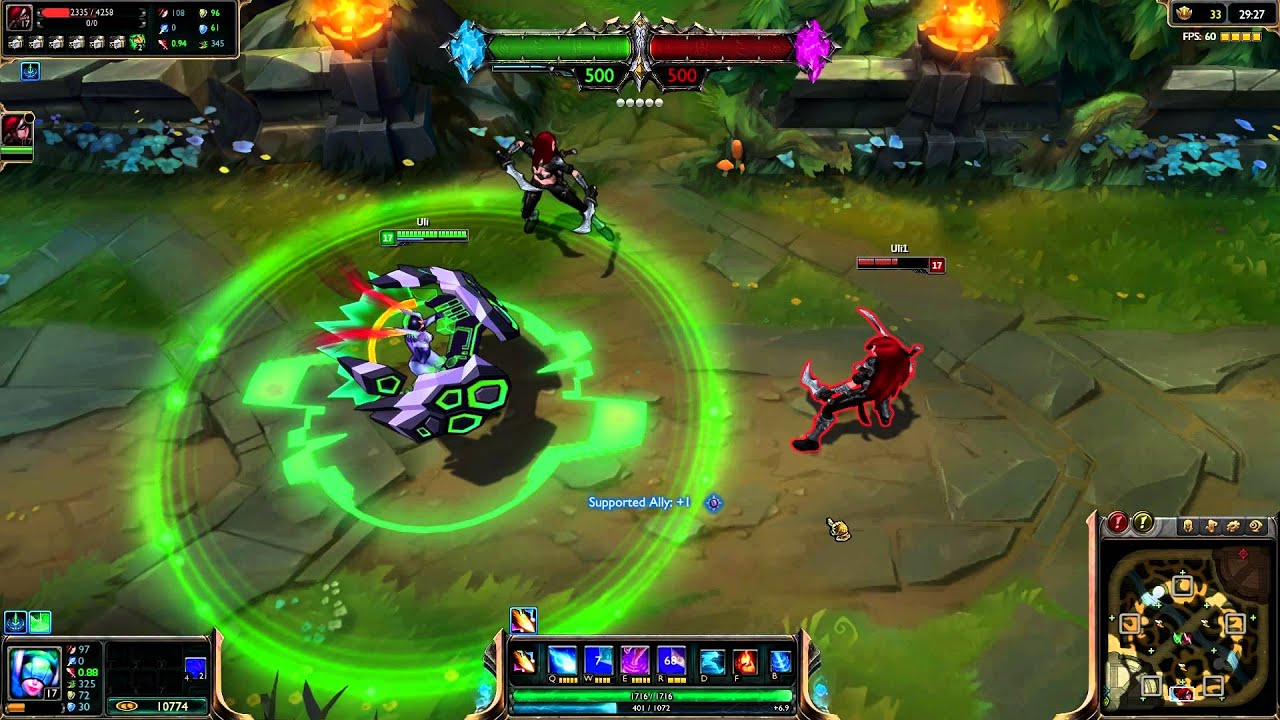
DJ Sona treated music as the organising system for an ultimate League of Legends skin. Kinetic, Concussive and Ethereal are not merely three colour options: each connects a track, palette, model details and effects, while the player can change form during a match.
Visual identity
The floating console keeps Sona’s instrumental silhouette readable while replacing fantasy strings with a performance deck. Kinetic uses bright, propulsive geometry, Concussive leans into heavier red and hard edges, and Ethereal opens into cooler, softer light. Shared proportions keep the forms recognisable as one product rather than unrelated skins.
Animation and sound language
Music is the central animation layer. Each form changes the soundscape and coordinates pulses with ability effects, while teammates can opt into the broadcast. The transformation is both a visual and audio choice. Sona’s cast rhythm remains intact, preventing the custom soundtrack from obscuring when an aura or ultimate begins.
Readability in a live match
Sona already fills fights with coloured auras, so three modes could have created competitive confusion. DJ Sona preserves familiar circular zones and a distinct straight ultimate. Colours shift, but the spatial job of each effect remains legible. The model is elaborate without making the champion’s position difficult to identify from the standard camera.
Design context
Released in 2015, DJ Sona expanded the meaning of an ultimate skin beyond model replacement. Riot coordinated external musicians, in-game music sharing and form switching into one experience. That scope explains both its landmark status and why later ultimate cosmetics did not simply repeat the same production plan.
Why the design lasted
DJ Sona lasts because the headline feature changes the atmosphere of an entire match without changing mechanics. Players remember a mode through sound as readily as colour. The skin’s age is visible beside newer effects, but its systemic concept remains unusually complete: form, music and spell language all change together.
This is a design retrospective, not financial advice or a claim about current store availability. Cosmetic prices, rotations and market listings can change; the analysis concerns the released art, animation and presentation.
Source: official release information.
Read more in our practical guides and browse the Kaizensclan article archive.
Editorial note
Facts and mechanics were checked against the linked primary sources before publication.
This article was reviewed on August 7, 2026.
Related stories
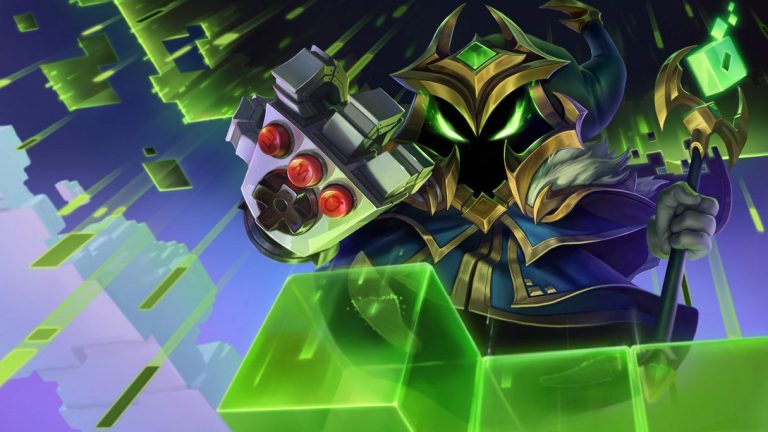
Final Boss Veigar: an arcade villain with readable spells
Final Boss Veigar is a Legendary League of Legends skin built around the fantasy of a video-game end boss. Arcade colors, pixel motifs and a more theatrical.
League top-lane freeze guide for patch 26.15
A top-lane freeze is controlled wave imbalance, not simply refusing to attack. Patch 26.15 is the reference version. Keep a small enemy minion advantage.
Thresh support guide for League patch 26.15
This Thresh support guide treats the champion as a decision maker, not a hook lottery. Patch 26.15 is the reference version. Your lane plan should combine.
Community channel
Join the discussion
Start a thoughtful, specific conversation about this story.
Verified readers only
Continue with Google to comment.
Your Google account creates a reader-only Kaizensclan profile. Your first comment is reviewed before publication.