Bel’Veth jungle guide for LoL Patch 26.15
This Bel’Veth jungle guide for Patch 26.15 covers first-clear planning, early duels, stack milestones, objective coral and late-game true form decisions.

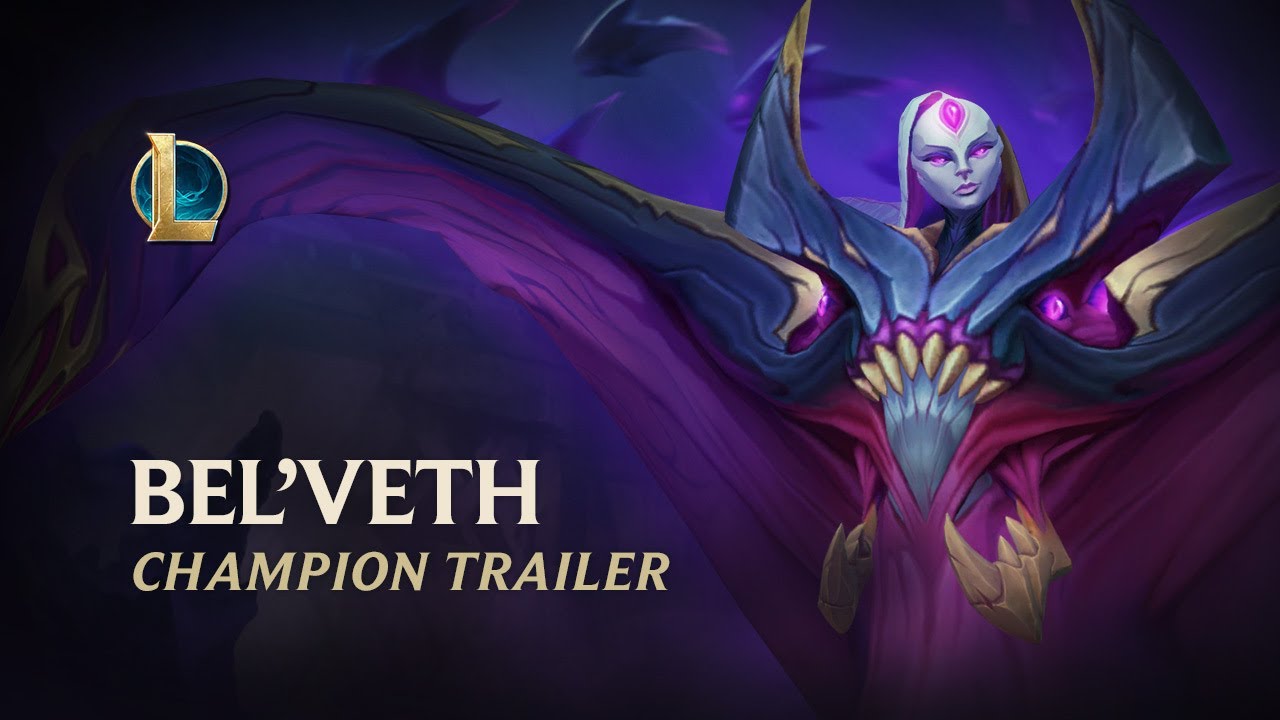
Updated for League of Legends Patch 26.15.
This Bel’Veth jungle guide is for players relearning the champion after her Patch 26.15 rework. The goal is a safe opening that respects weaker early statistics, reaches useful stack thresholds and converts Void coral without abandoning the lanes that make those objectives possible.
Step 1: build the route around lane access
Bel’Veth no longer earns the same value from forcing every early invade. Choose the first route by checking which allied lanes can move, which opponent can contest the river and where the first reliable crowd control exists.
State the expected finish before minions meet. If a lane loses priority, reverse or shorten the route instead of arriving late to a fight that the old version might have survived.
Step 2: treat early Void Surge as a limited tool
Patch 26.15 gives early ranks of Void Surge a longer delay between casts. Keep one direction available for disengagement or wall movement rather than spending every dash on camp speed.
In a duel, identify whether the next Q is damage, pursuit or escape. Using it without a purpose removes the flexibility that makes Bel’Veth difficult to pin down.
Step 3: use Royal Maelstrom after control
Royal Maelstrom gained stronger direct scaling but still becomes unreliable when enemies can interrupt, disengage or force it at the wrong health total. Use allied crowd control or Above and Below to create the channel.
Against camps, position so the ability damages the full group. Against champions, do not confuse a stronger tooltip with permission to stand inside every cooldown.
Step 4: count stacks without farming the scoreboard
The permanent true-form milestone arrives at 80 stacks, with an intermediate duration improvement at 40. Track progress, but judge a camp by map value as well as the number it grants.
A dragon, tower or protected lane can be worth more than an exposed camp. Scaling succeeds when stack collection supports control instead of replacing it.
Step 5: convert epic coral safely
Void epic monster coral remains strategically important because it supports Bel’Veth’s transformation and remora pressure. Secure vision and enemy positions before consuming it.
The animation and subsequent push can expose the champion. Ask which lane can use the transformation immediately and which enemy wave must be managed first.
Step 6: switch targets deliberately
Endless Banquet no longer removes its passive when Bel’Veth changes targets, but target selection still matters. Focus the unit whose removal changes the fight rather than chasing whichever health bar is lowest.
Use pings so teammates know whether the call is front-to-back damage, a dive or a reset onto an objective.
Step 7: play permanent form as map tempo
At 80 stacks, true form can remain until death. Protecting that state does not mean avoiding every fight; it means choosing fights whose objective reward justifies the risk.
Push lanes, threaten fast neutral damage and force opponents to answer several areas. A needless isolated death throws away map pressure even if stacks remain.
Communication protocol
Reduce the complete plan to three calls the team can use during a real League of Legends match: the immediate objective, the first timing and the abort condition. Long explanations belong before the queue or during review. In play, every sentence should change positioning, resource use or target priority.
When information changes, name the fact before the response. “Two players seen,” “key cooldown used,” or “route blocked” gives teammates evidence; “this feels bad” does not. The caller can then keep the plan, delay it or switch without forcing five private guesses.
Common failure patterns
The most frequent error is correct individual execution at different times. One player begins while support is moving, another spends the final resource after contact and a third follows the original call after the abort. Review synchronization before replacing mechanics.
The second error is treating one success as proof that every condition was correct. Opponents may miss a punish or choose another side of the map. Save the replay and ask which information made the plan safe enough, not only whether the scoreboard awarded the result.
Quick checklist
- State the objective and first timing.
- Confirm required players and resources.
- Name the opponent’s most likely interruption.
- Keep one clear abort condition.
- Assign the next action after success.
Practice and review
Run the plan in a custom lobby or low-stakes match before using it in competition. Record one successful attempt and one failure, then change only the step supported by evidence. A repeatable guide is useful because the team can identify where execution broke instead of inventing a new system after every loss.
Confirm the live client against the official update source before relying on exact mechanics. Patches can change timings, costs and map geometry without changing the decision process described here.
Build a reliable baseline
Keep the review specific: note the clock, the unavailable resource and the teammate who could not participate. Repeat the same setup three times before judging it. Consistency exposes whether the problem comes from the plan itself or from execution, and gives the team a stable baseline for the next practical team adjustment.
For objective preparation, use our dragon vision setup and first-clear planning guide.
Editorial note
Facts and mechanics were checked against the linked primary sources before publication.
This article was reviewed on August 7, 2026.

Related stories
League top-lane freeze guide for patch 26.15
A top-lane freeze is controlled wave imbalance, not simply refusing to attack. Patch 26.15 is the reference version. Keep a small enemy minion advantage.
League support warding guide for patch 26.15
League support warding is a timed movement plan, not a contest to place the most wards. Patch 26.15 is the reference version. Ward the route to the next.
Thresh support guide for League patch 26.15
This Thresh support guide treats the champion as a decision maker, not a hook lottery. Patch 26.15 is the reference version. Your lane plan should combine.
Community channel
Join the discussion
Start a thoughtful, specific conversation about this story.
Verified readers only
Continue with Google to comment.
Your Google account creates a reader-only Kaizensclan profile. Your first comment is reviewed before publication.