LoL dragon vision setup guide for Patch 26.15
Use this LoL dragon vision setup guide to manage waves, recalls, sweepers, control wards and approach lanes before objectives on Patch 26.15. Analysis.

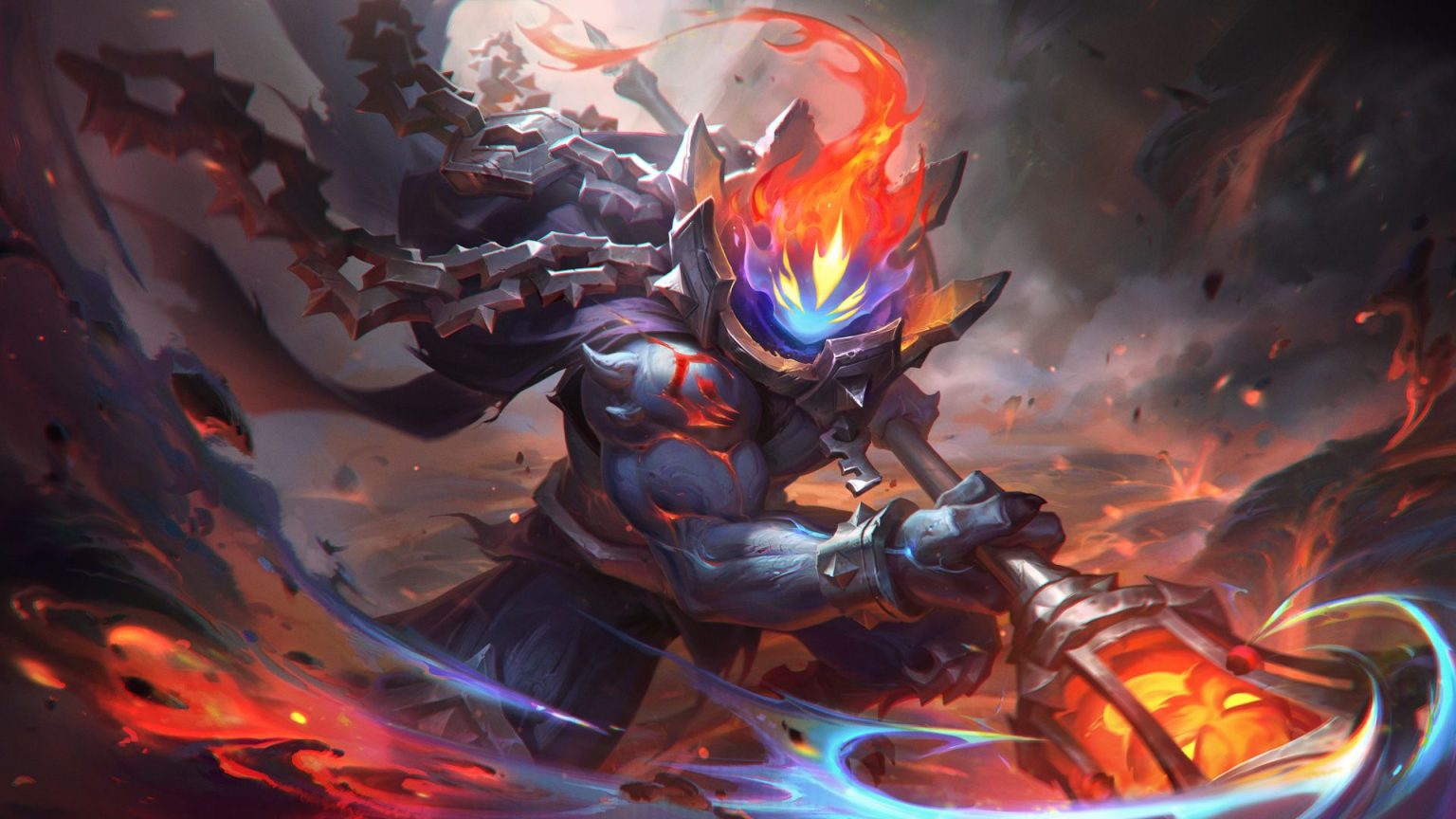
This LoL dragon vision setup guide organizes the 90 seconds before an objective into wave, recall and warding tasks. It is updated for Patch 26.15, but neutral-objective values and champion balance can change; verify current patch notes before tournament use.
Step 1: name the objective and the fight condition
State the dragon timer and why the team wants the fight. Soul point, a powerful ultimate cycle or an opponent’s missing teleport are conditions; “dragon is up” is only a clock.
Choose whether the plan is to start, turn, pick an entry or trade the objective. That choice determines where vision is valuable.
Step 2: move side waves before placing deep wards
Push the wave that can punish the opponent’s movement. A ward placed while two lanes crash into your towers may produce information the team cannot use. Side-lane priority also reveals which opponent must answer.
Do not force a dangerous extra wave for perfect timing. The goal is a synchronized arrival, not one player’s ideal recall at the expense of the group.
Step 3: recall as a unit with enough time to return
Spend gold, refill wards and leave base before the objective becomes contestable. Staggered recalls create a five-versus-four even when every player intends to attend.
Support should communicate ward charges and sweeper availability. Jungler should state Smite status. Carries should identify completed items rather than only gold totals.
Step 4: enter through two protected lanes
One group clears the safest route while another holds contact range. Never send the ward carrier alone into fog merely because the team needs vision. Use abilities, durable champions and existing wards to gain the next patch of ground.
If the opponent controls every entrance, concede the first layer and rebuild from a safe line. A death for one control ward loses more vision than it creates.
Step 5: place wards for the chosen plan
A start-and-turn plan needs vision of approach routes and space behind the team. A pick plan needs pockets of denied vision where the opponent must walk. A trade plan needs information on the objective and the cross-map response.
Control wards are tools, not decoration. Place them where denial changes an opponent’s decision, and defend them only when the fight remains favourable.
Step 6: preserve one information tool
Do not spend every sweeper and scouting ability during initial entry. Keep one tool for the moment the opponent disappears or the team begins the dragon.
Tracking five opponents is more valuable than turning the entire river dark for three seconds. Update missing locations continuously.
Step 7: separate zoning from damage
Assign who damages the dragon, who marks the enemy jungler and who protects carries. Five players hitting the objective can surrender every entrance. One player zoning too far can become the pick that gives it away.
Call the health threshold for turning. The jungler owns the final Smite plan, but the team owns the conditions around it.
Step 8: leave with a reset plan
After a dragon, count remaining health, waves and enemy death timers. Do not turn a successful objective into a lost shutdown by chasing through unwarded terrain.
Our 90-second objective setup expands the timeline, while the lane-swap cost analysis explains the map pressure behind it. Riot’s Patch 26.15 notes are the rules reference.
Step 9: adapt when your team arrives second
Do not walk through the same dark entrance one player at a time. Use a long-range tool, a tanky champion or a pushed side wave to force new information. If every route is controlled and the opponent can turn safely, trade elsewhere rather than donating kills before the objective.
A steal attempt needs an escape or follow-up plan. Sending the jungler alone can be correct only when the objective value exceeds the likely death and the team is not accidentally following into a lost fight.
Step 10: review the setup, not only the Smite
In replay, pause at 90, 60 and 30 seconds before spawn. Record wave positions, recall status, ward inventory and known opponents. The final secure may be mechanically dramatic, but most objective losses begin earlier.
Choose one correction for the next match: earlier recall, safer entry, preserved sweeper or clearer turn threshold. A repeatable improvement is more useful than blaming the last damage number.
Track the result across five games with a small table: first river entry, wards remaining at spawn, deaths before contact and objective outcome. The sample prevents one successful steal from validating a poor setup. Improvement should appear as safer access and clearer options even when the team chooses to trade.
Supports should also review ward survival rather than only placement count. A ward that sees one approach for the entire setup can outperform three wards immediately cleared together. Spread information layers across time and distance so the opponent must spend multiple sweepers to remove every route.
Practice note: Run the LoL dragon vision setup guide checklist in a custom lobby or low-stakes match before using it in competition. Record one decision that worked and one that arrived late. Update only the relevant step after a patch instead of discarding the complete process.
Editorial note
Facts and mechanics were checked against the linked primary sources before publication.
This article was reviewed on August 6, 2026.

Related stories
League top-lane freeze guide for patch 26.15
A top-lane freeze is controlled wave imbalance, not simply refusing to attack. Patch 26.15 is the reference version. Keep a small enemy minion advantage.
League support warding guide for patch 26.15
League support warding is a timed movement plan, not a contest to place the most wards. Patch 26.15 is the reference version. Ward the route to the next.
Thresh support guide for League patch 26.15
This Thresh support guide treats the champion as a decision maker, not a hook lottery. Patch 26.15 is the reference version. Your lane plan should combine.
Community channel
Join the discussion
Start a thoughtful, specific conversation about this story.
Verified readers only
Continue with Google to comment.
Your Google account creates a reader-only Kaizensclan profile. Your first comment is reviewed before publication.