TI 2026 Swiss stage: how eight arena places are won
The TI 2026 Swiss stage runs August 13–16 in Shanghai and reduces a 16-team field to eight arena contenders before the August 20 main event finally begins.


The TI 2026 Swiss stage runs from August 13–16 and turns a 16-team field into eight places at the Shanghai arena event. Valve’s official tournament announcement makes the objective simple, but the format rewards repeatable series preparation rather than one favourable opening draw.
Why Swiss changes the first day
A Swiss stage pairs teams according to their evolving records instead of keeping a fixed round-robin group. Early success moves a team toward other winners; an early loss does not immediately end the run, but it changes the next opponent and reduces room for experimentation. Every result therefore affects both survival and the quality of the next preparation window.
TI 2026 Swiss stage pressure
The field is split evenly by the destination: eight teams move into the main arena phase and eight do not. That line makes series at the edge of qualification more important than raw map totals. A team can look brilliant in one matchup and still fail if it cannot reproduce its drafting plan against opponents with different lane priorities.
What viewers should track
Follow records first, then look at how each team reached them. A clean win with flexible drafts carries different information from a narrow series dependent on one signature hero. Also track which strategies are being revealed. A team that qualifies quickly may preserve more preparation, while a long route supplies more stage evidence to every future opponent.
From Swiss to the Oriental Sports Center
The public arena block runs August 20–23. That break separates qualification from the final stage and gives the remaining eight teams time to rebuild their draft priorities. The correct bracket should always come from Valve’s current event coverage, because live results can make any static list obsolete within hours.
Sources: primary tournament record and supporting tournament record. Scores, dates, format details and audience figures are attributed to the linked records; tactical interpretation is our own.
Follow the opening of The International 2026, check the full TI 2026 field, or review Dota 2 patch 7.41e.
Editorial note
Facts and mechanics were checked against the linked primary sources before publication.
- https://www.dota2.com/newsentry/523115482349306000
- https://www.dota2.com/newsentry/689765153413006763
- https://www.dota2.com/newsentry/655981180194128451
This article was reviewed on August 14, 2026.

Related stories
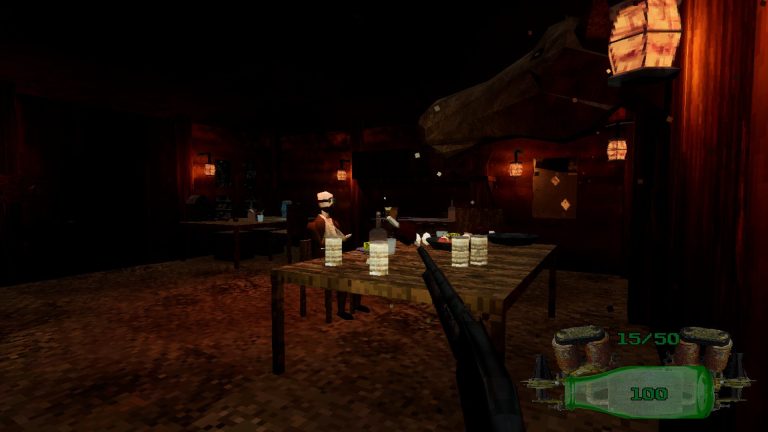
The Down Below opens four underground horror levels
The Down Below opens four underground horror levels. lowpolyenjoyer combines a lever-action shotgun, nine enemy types, 30 interactive items, physics props…
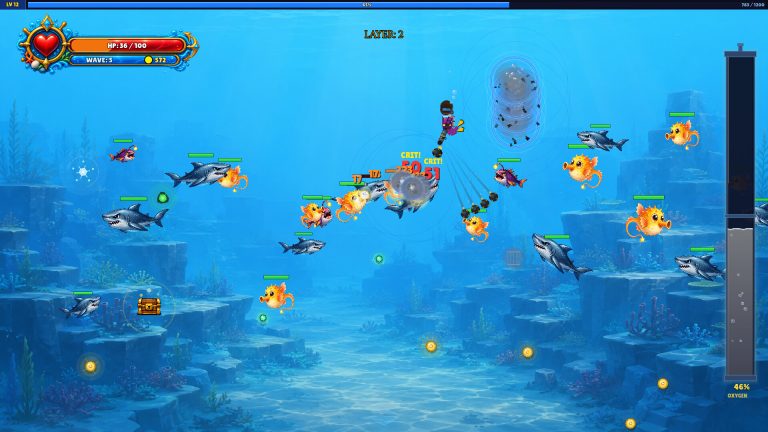
Deep Diver makes every breath increase the danger
Deep Diver makes every breath increase the danger. PEGAX Studios connects oxygen management to escalating enemies across eight weapons, 30 abilities and…
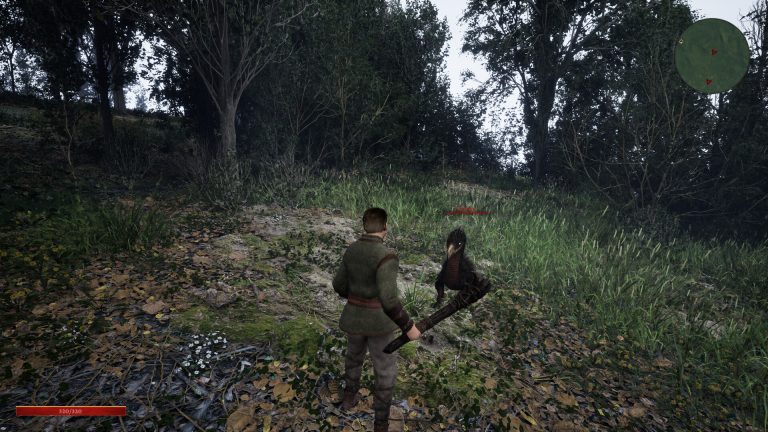
Ashes of Kardoria launches a 16-hour faction RPG
Ashes of Kardoria launches a 16-hour faction RPG. The choice-driven campaign pits Guards against Hunters amid plague and hunger, with multiple endings and…
Community channel
Join the discussion
Start a thoughtful, specific conversation about this story.
Verified readers only
Continue with Google to comment.
Your Google account creates a reader-only Kaizensclan profile. Your first comment is reviewed before publication.