Why TI 2026 used seven direct invites and nine qualifiers
TI 2026 direct invites went to seven teams, leaving nine Shanghai places to regional qualifiers and giving the 16-team field an unusually open balance.

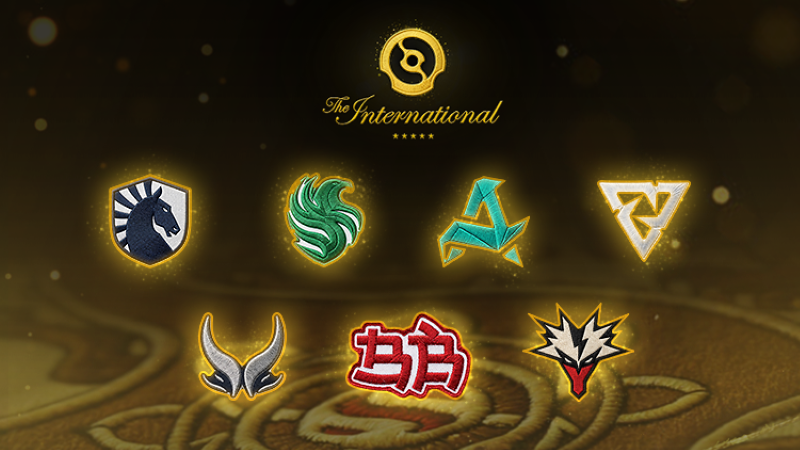
The TI 2026 direct invites covered seven of the 16 places in Shanghai. The remaining nine were decided through regional qualifiers, giving this International more qualifier routes than direct invitations and making the final field a test of both season-long results and short elimination brackets.
The seven teams Valve invited
Valve’s May 26 announcement named Aurora Gaming, BoomBoys, Team Falcons, Team Liquid, Tundra Esports, Xtreme Gaming and Team Yandex as direct invitees. BoomBoys is the event name used by the BetBoom roster. Those teams could prepare for Shanghai without entering the June qualifiers. The list represented Valve’s selection, not a public points table with a simple cutoff.
How the nine remaining places worked
Regional qualification followed the June 9–12 open qualifiers. Unified Europe received four places, China two, while Southeast Asia, North America and South America supplied one apiece under Valve’s published distribution. The completed field therefore combined seven invited teams with nine qualifier winners across five regional routes.
TI 2026 direct invites and preparation
An invite protects preparation time but does not guarantee a better Swiss record. Qualifier teams arrive with recent elimination matches, tested emergency drafts and public replays. Invited teams gain rest and scouting time, but they must judge how much of an opponent’s qualifier identity will survive another patch cycle and a different tournament environment.
Why the distinction still matters in Shanghai
The label explains the road into TI, not a permanent tier inside it. Once Swiss play starts, all 16 teams face the same target of reaching the final eight. Analysts should remember the route when discussing readiness, then replace assumptions with current series evidence as soon as the Shanghai matches provide it.
Sources: primary tournament record and supporting tournament record. Scores, dates, format details and audience figures are attributed to the linked records; tactical interpretation is our own.
Follow the opening of The International 2026, check the full TI 2026 field, or review Dota 2 patch 7.41e.
Editorial note
Facts and mechanics were checked against the linked primary sources before publication.
- https://www.dota2.com/newsentry/655981180194128453
- https://cdn.cloudflare.steamstatic.com/apps/dota2/assets/RFP_TI_2026.pdf
This article was reviewed on August 14, 2026.

Related stories
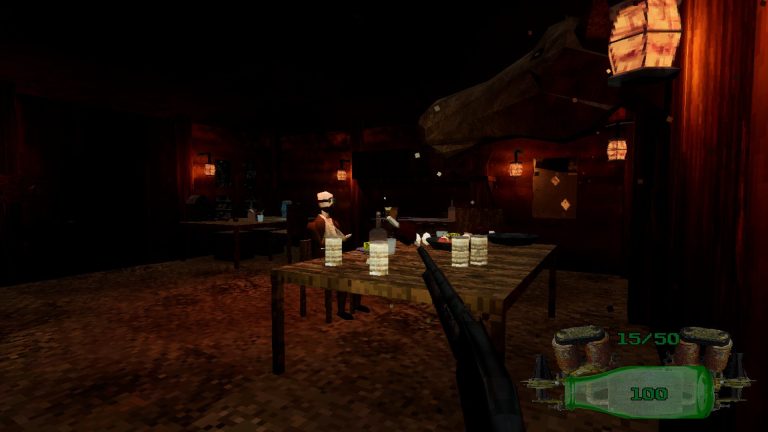
The Down Below opens four underground horror levels
The Down Below opens four underground horror levels. lowpolyenjoyer combines a lever-action shotgun, nine enemy types, 30 interactive items, physics props…
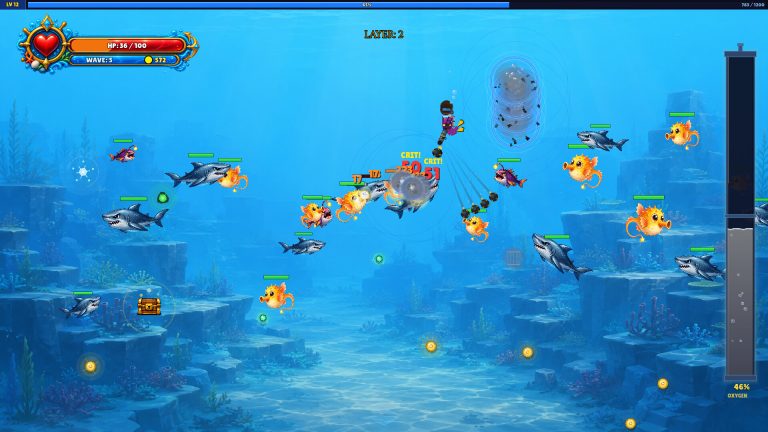
Deep Diver makes every breath increase the danger
Deep Diver makes every breath increase the danger. PEGAX Studios connects oxygen management to escalating enemies across eight weapons, 30 abilities and…
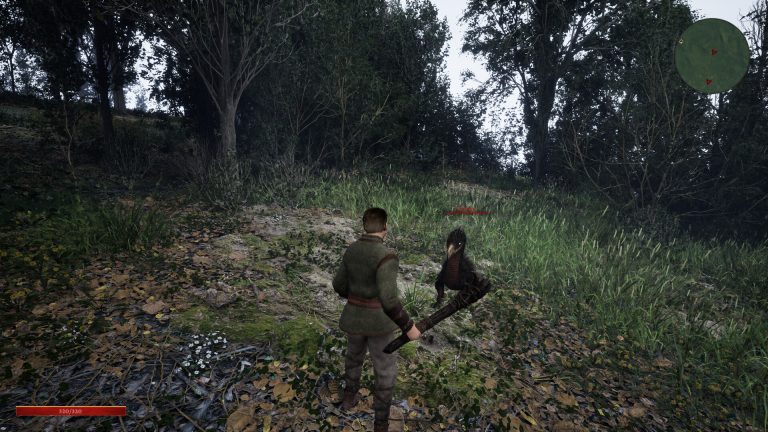
Ashes of Kardoria launches a 16-hour faction RPG
Ashes of Kardoria launches a 16-hour faction RPG. The choice-driven campaign pits Guards against Hunters amid plague and hunger, with multiple endings and…
Community channel
Join the discussion
Start a thoughtful, specific conversation about this story.
Verified readers only
Continue with Google to comment.
Your Google account creates a reader-only Kaizensclan profile. Your first comment is reviewed before publication.