Valorant post-plant roles: build the map before the spike lands
The plant is a transition into three jobs, not permission to scatter.

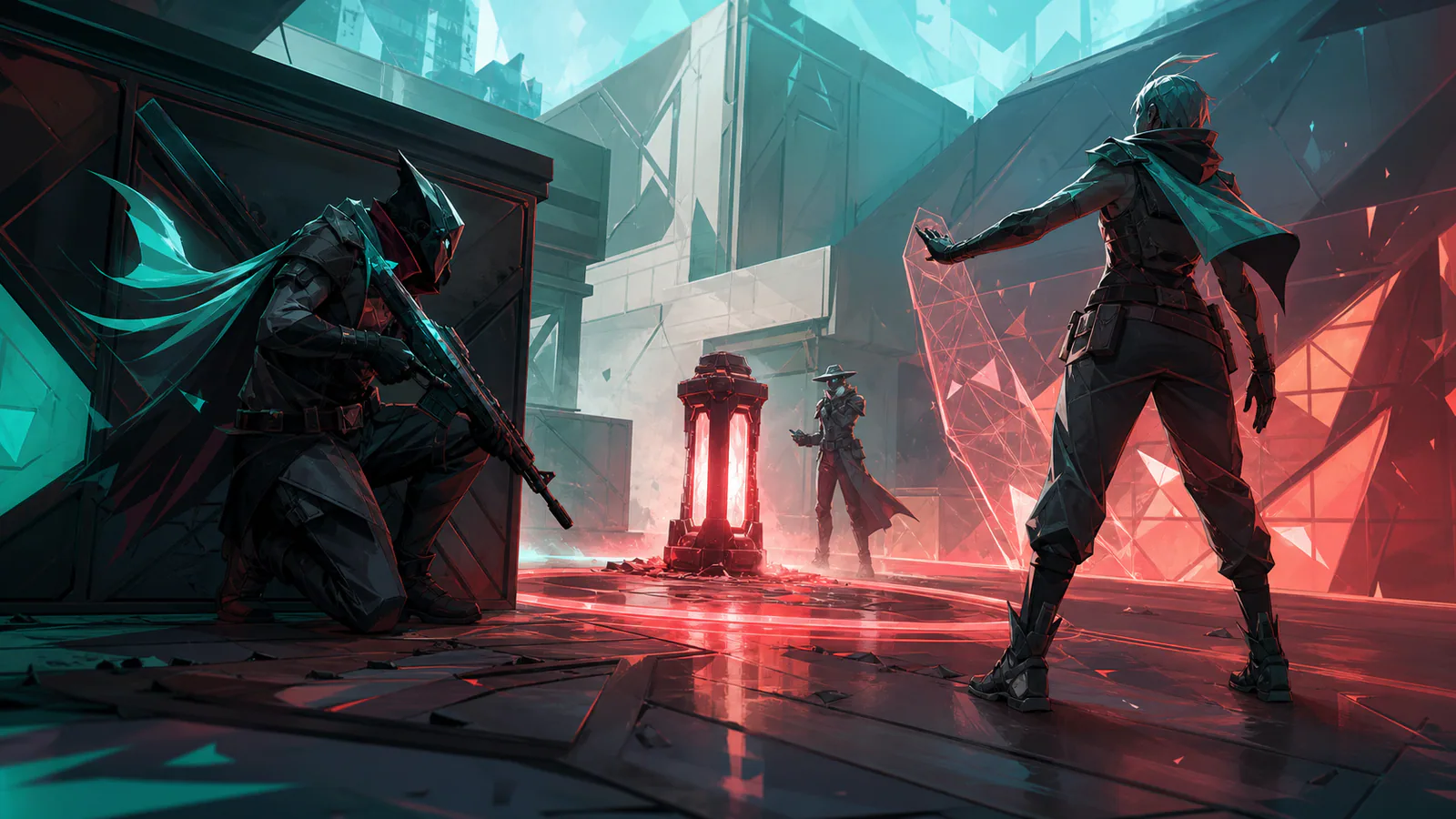
A Valorant post-plant often fails before the spike reaches the ground. Attackers enter with a shared site plan, then split into five private ideas about lineups, contact and timing. Strong teams define three post-plant jobs in advance: who gathers first contact, who preserves denial utility and who connects the two positions.
Choose the plant for the next fight
The safest plant animation is not automatically the strongest plant. Select a location that lets the team defend from positions it can actually reach with the utility remaining. If the lineup player must cross an exposed lane, that route is part of the plant cost.
Call the intended post-plant shape before entry utility is spent. Players can then avoid using the smoke, flash or mobility tool needed to reach it.
Name contact, denial and swing
The contact player sees the first defuse approach and avoids dying before teammates can respond. The denial player protects the ability that controls the spike. The swing player watches the connection and moves on an agreed cue. One player may own two jobs, but the team must know which comes first.
Spacing principles from our Valorant duo drill still apply. The swing must be close enough to trade without standing inside the same clearing utility.
Use one retake trigger
Choose a visible trigger: the tap, a specific smoke fading or the contact player firing. Without it, utility lands at one time and gunfights begin at another. Review post-plants from ten seconds before the plant, not from the defuse.
Combine this role map with anti-eco spacing when upgraded weapons may change hands. The objective is a shape that survives the first disruption and still produces one coordinated response.
Editorial note
Tactical analysis grounded in current Valorant objective and utility principles.
This article was reviewed on August 3, 2026.

Related stories
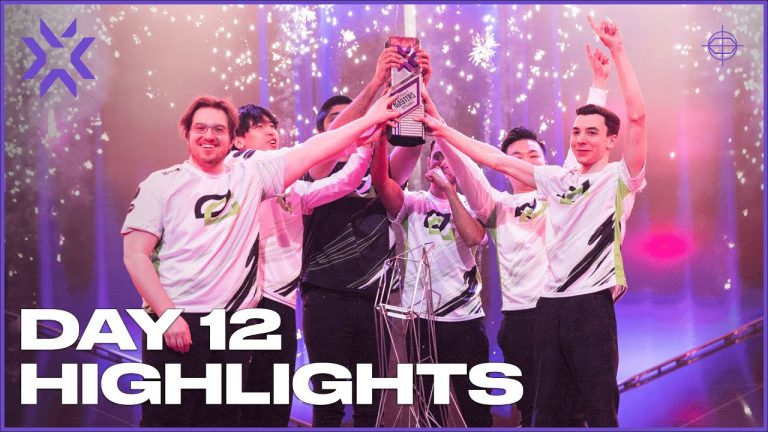
OpTic vs LOUD: Masters Reykjavík 2022 final
The OpTic vs LOUD Masters Reykjavík 2022 final ended 3–0 on April 24. OpTic won two overtime maps before closing the series and became the first North America.
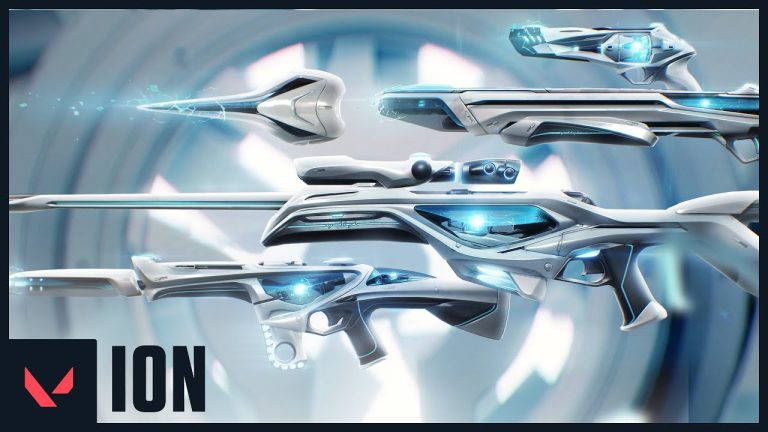
VALORANT Ion: clean science fiction built around energy
Riot revealed the original VALORANT Ion skin line in November 2020. Its white shells, dark joints and blue energy cores present a clean science-fiction weapon.
VALORANT Bind A execute guide for patch 13.02
A reliable Bind A execute creates two simultaneous problems instead of sending five players through A Short. Control either Showers or the Short cubbies, cut.
Community channel
Join the discussion
Start a thoughtful, specific conversation about this story.
Verified readers only
Continue with Google to comment.
Your Google account creates a reader-only Kaizensclan profile. Your first comment is reviewed before publication.