The Alters review: survival through impossible choices
Our The Alters review examines Jan’s alternate selves, mobile-base survival, time pressure, production systems, presentation and technical limits. Analysis.

 8.5
8.5 Kaizensclan verdict
Our The Alters review examines Jan’s alternate selves, mobile-base survival, time pressure, production systems, presentation and technical limits. Analysis.
Review basis: five hours of play supported by official documentation and public technical coverage. Hours played: 5. The score reflects the systems, presentation and release state observed within that review window rather than a completionist playthrough.
This The Alters review finds a survival game whose workers are not anonymous units but alternate versions of one stranded man. Every specialist solves a production problem and creates a personal one, turning base efficiency into an argument about identity, regret and obligation.
11 bit studios released The Alters on June 13, 2025 for PC, PlayStation 5 and Xbox Series X|S. The player controls Jan Dolski, the survivor of a disastrous expedition who must keep a mobile base ahead of lethal solar radiation.
Base management is a race against sunrise
The circular base needs rooms, resources, maintenance and staff. Outside, Jan explores hazardous terrain, places mining equipment and connects deposits. Inside, production chains turn raw materials into the tools required to move.
Time is the binding resource. Work, travel and conversation consume portions of a day while the sun’s threat advances. A mathematically efficient plan can still fail if it leaves no margin for a broken machine, a distant deposit or a crew conflict.
The base itself must relocate, so construction serves a journey rather than permanent settlement. That changes the emotional relationship to upgrades: every room is both a home and equipment carried away from danger.
Repeated collection and maintenance can become routine between major decisions. The pressure system gives that routine purpose, though players who dislike schedules may experience the same structure as constant low-grade anxiety.
The Alters make labour personal
Jan uses Rapidium and a quantum computer to create versions of himself shaped by different past choices. One path may produce a scientist, another a technician or miner. The premise turns a conventional staffing requirement into speculative biography.
An Alter is not a tool that silently fills a job slot. Each carries memories, resentments and needs based on the life Jan did not live. Meeting an essential production target may therefore introduce a relationship that the original Jan is poorly equipped to manage.
Conversations force the player to balance honesty, manipulation and survival. There is no neutral managerial distance when every worker shares a childhood and diverges at a specific wound. The strongest writing asks whether creating a person to perform necessary labour can ever be separated from exploitation.
This design also creates narrative risk: archetypal professions could have reduced characters to functions. The opening arcs resist that simplification, although the effectiveness of every branch requires a full campaign to assess.
Choices connect systems and story
Resource decisions influence morale and relationships, while personal conflict can threaten production. That feedback prevents the story from existing only in cutscenes. An argument matters because a shift still needs to be staffed before the next deadline.
The player cannot maximize every outcome. Limited time encourages priorities, and priorities expose values. Helping one Alter may delay research; pushing productivity may damage trust. Saving the expedition is necessary, but the method determines what kind of community survives.
Some choices inevitably operate through visible game logic. Once players understand thresholds, they may optimize personalities as another resource. The writing’s task is to keep the person visible beneath the meter, and the premise gives it unusually strong material.
Exploration creates practical danger
Outside the base, the player searches a hostile planet for resources and routes. Environmental hazards and distance make each excursion a scheduling decision. Infrastructure shortens future work, rewarding investment before the emergency arrives.
The third-person exploration is functional rather than a separate action spectacle. Its value lies in connecting the large planetary threat with the small objects needed inside the base. A missing resource is not an abstract icon when Jan must spend daylight reaching it.
That physicality helps the mobile base feel located in a real environment. It also risks repetition as familiar journeys accumulate. The approaching sunrise supplies urgency, but not every collection trip can carry the same drama as a major story decision.
Visual and audio design serve the premise
The wheel-shaped base gives rooms a clean side-on readability while exterior scenes emphasize scale and exposure. Seeing multiple Jans together creates an immediate uncanny effect without requiring extravagant creature design.
Lighting makes the advancing solar threat both beautiful and terrifying. Interfaces present complex production information with a coherent industrial language, though the number of simultaneous needs can still overwhelm.
Voice performance has an unusual burden because variations of one person must feel related but distinct. Differences in posture, delivery and clothing help each Alter communicate the life that formed him.
Technical state and accessibility
The game launched across current consoles and PC. Performance and stability vary with platform, patch and hardware. Five hours cannot represent every late-game base state; the official Steam page provides current PC requirements and supported features.
Management games benefit from pause, speed controls and readable alerts because cognitive load is part of the challenge. Players should review current accessibility options if text size, timing pressure or control remapping will determine usability.
Monetization and value
The Alters is a premium single-player game. Buyers should verify current editions and any additional content on their platform rather than relying on launch-era listings.
The campaign’s value comes from replaying choices as much as from raw duration. Alternate life paths and relationships can support a second run, but players who dislike repeating production tasks may prefer one deliberate playthrough.
The Alters review verdict
The Alters makes an elegant connection between survival labour and personal regret. Its production systems create real pressure, while alternate selves ensure the people doing the work cannot be treated as disposable pieces. Routine gathering and managerial stress are genuine barriers, and the five-hour window limits late-game certainty.
Score: 8.5/10. Recommended for players who want survival strategy where every staffing decision has a human consequence. For a different kind of role-based planning, see our post-plant role map.
Difficulty is emotional as well as mechanical
The resource layer creates conventional failure states, but the harder pressure comes from choosing which version of Jan receives time and trust. A perfectly staffed shift can still feel wrong when it depends on withholding information. That tension is the reason to avoid treating dialogue as a puzzle with one optimal answer.
Players can reduce overload by setting one production priority per day, keeping an emergency material reserve and scheduling conversations before every worker reaches a crisis. The method will not remove hard choices; it preserves enough capacity to make them deliberately.
Practical buying checklist
Review current platform performance, text size and timing options. Watch footage that includes routine base work, not only Alter introductions, because maintenance occupies a meaningful part of the loop. Strategy players who accept pressure and repetition in service of character drama are the clearest audience.
The same discipline applies to team strategy games: name the constraint, assign a resource and define the abort condition. Our mid-round reset framework offers a compact version of that process, even though The Alters turns it inward toward one person’s divided lives.
One more caution concerns optimization culture. Looking up every consequence before making a choice can remove the uncertainty that gives the premise force. A first run benefits from accepting imperfect information and living with a coherent decision. Guides are more appropriate after the player has formed an independent relationship with the Alters.
Editorial note: The The Alters review score uses a half-point scale and accounts for the five-hour review window. A complete campaign test could change the late-game assessment, but it would not erase the design strengths and limitations observed above.
Editorial note
Five-hour review window, supported by official documentation and public technical coverage.
This article was reviewed on August 6, 2026.

Related stories
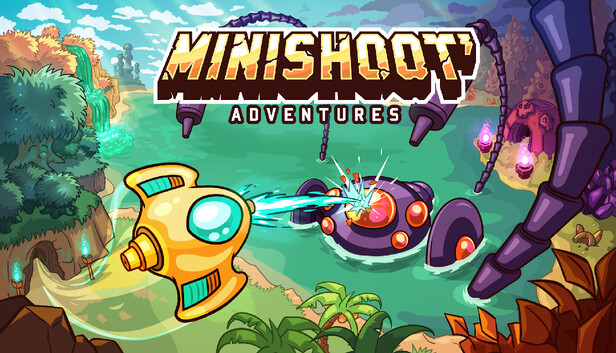
Minishoot’ Adventures review: exploration under fire
This Minishoot Adventures review finds a small ship leaving its village to free captured friends and confront corrupted machines. SoulGame Studio combines an.
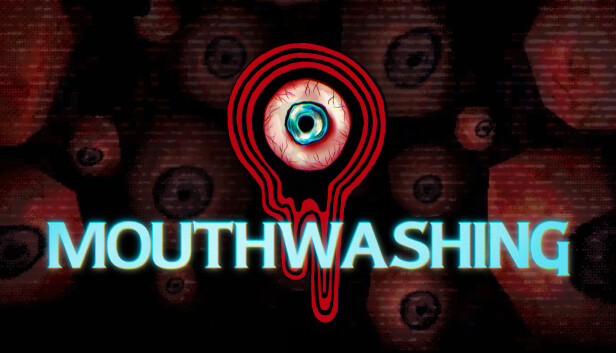
Mouthwashing review: horror after the crash
This Mouthwashing review enters the Tulpar after a crash leaves five crew members with dwindling supplies and no credible rescue. Wrong Organ shifts between.
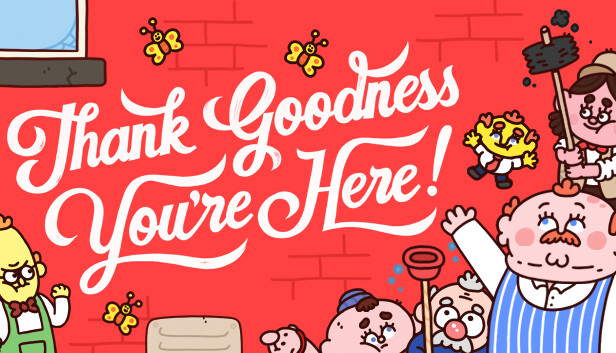
Thank Goodness You’re Here review: slapstick with purpose
This Thank Goodness You’re Here review follows a traveling salesman who arrives early for a mayoral appointment and becomes free labor for Barnsworth. Coal.
Community channel
Join the discussion
Start a thoughtful, specific conversation about this story.
Verified readers only
Continue with Google to comment.
Your Google account creates a reader-only Kaizensclan profile. Your first comment is reviewed before publication.