Shogun Showdown review: every step is an attack
This Shogun Showdown review begins on a line. Enemies approach from the left and right, while the player can move, turn, swap position or prepare an attack.

 9.0
9.0 Kaizensclan verdict
This Shogun Showdown review begins on a line. Enemies approach from the left and right, while the player can move, turn, swap position or prepare an attack.
Review basis: 7 hours on PC. The stated time covers several sessions with the release build and is not a claim of full completion.
This Shogun Showdown review begins on a line. Enemies approach from the left and right, while the player can move, turn, swap position or prepare an attack tile. Because every action advances the turn, that narrow battlefield generates a dense puzzle about spacing, direction and the order in which violence will resolve.
Shogun Showdown review: the opening hours
The Wanderer begins with a small set of attacks and a clear destination: reach the Shogun. Early rooms demonstrate that preparing a strike and activating the queue are separate actions. A sword may solve the adjacent enemy, but only if the character is facing the correct direction when the sequence begins.
Clear a room, choose a reward, upgrade or combine attack tiles, then enter a harder formation. Inns and shops offer healing or build decisions before boss encounters. A failed run returns accumulated experience to the dojo, where new characters, tiles and skills broaden the next attempt without replacing positional judgment.
Systems and meaningful decisions
Attack tiles have damage, range, direction and cooldown. Combining matching tiles improves them, while upgrades may add range, knockback, repeat strikes or status effects. Queue order matters: pushing an enemy first can place it inside a later spear attack, and a backward dash can become both offense and escape.
We judged progression by whether it changed the next decision rather than merely increasing a number. A useful unlock opens a route, answers a recurring problem or creates a new risk. Busy menus received no extra credit when the underlying choice remained obvious.
Controls, combat and feedback
Each input has a preview, so the game rarely conceals where an attack will land. Keyboard and controller commands are simple enough to learn in minutes. The challenge comes from resisting an automatic move; turning around consumes the same precious turn as attacking, and a careless orientation error can unravel an otherwise safe room.
Failure is productive when the game supplies enough information for a better attempt. We separated setbacks caused by a readable rule or poor plan from repetition that only consumed time. Challenge can create tension without hiding responsibility for the outcome.
World and visual direction
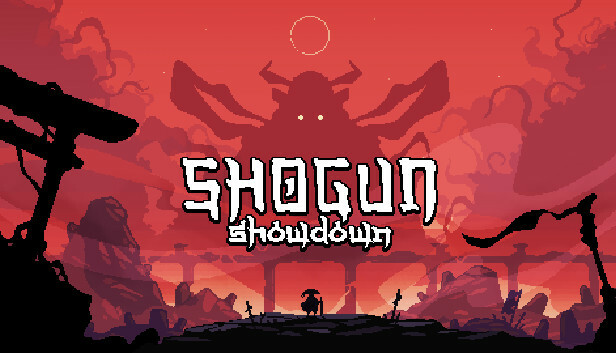
Pixel-art villages, bamboo groves and fortresses use a limited palette without losing enemy readability. Short attack animations convey force, then return control immediately. Backgrounds establish a Japanese-inspired journey, while the flat combat lane remains visually separate from decoration and particle effects.
Presentation was assessed during ordinary play, not only in composed screenshots. Strong direction guides attention through colour, movement and contrast while preserving mood. A beautiful effect becomes a liability when it hides an objective, hazard or rival.
Music and sound design
Blades, arrows and heavy impacts have distinct, restrained sounds that confirm sequence order. Music supports concentration and becomes more forceful near bosses without filling every pause. The quiet between turns is important because the player needs space to rehearse the queue mentally.
Audio was treated as atmosphere and information. Distinct warnings, impacts and movement cues matter more over several hours than one loud set piece, although a memorable score can give repeated actions identity.
Performance and interface
Seven PC hours were stable, with immediate restarts and readable interface scaling at a desktop display. Runs save between rooms, making short sessions practical. The minimalist presentation is light on hardware, though players should still verify current platform accessibility settings and input support before purchase.
One platform cannot represent every configuration, and later patches may change performance. We report the observed experience without promising results on untested hardware. Players with strict accessibility or frame-rate requirements should check current platform documentation.
We also compared the advertised fantasy with the action repeated between major set pieces. A score rises when ordinary minutes express the same strengths as the trailer, and falls when progress regularly depends on friction the game does not acknowledge or explain.
Learning curve and pacing
The first biome teaches distance and facing, then shielded enemies, archers, chargers and environmental objects complicate the line. Bosses test whether the build can create a reliable cycle rather than one explosive turn. Unlocks add vocabulary gradually, so early failure usually reveals a missed relationship instead of an unexplained rule.
The opening session was separated from later play. A system that initially feels obscure may become expressive after its vocabulary settles, while a polished tutorial can hide a loop that never develops. Essential status and resource information should remain available during play.
Replay value and practical fit
Seven hours reached the Shogun and opened several reasons to continue, including characters and a higher challenge path. Individual rooms resolve quickly, but a strong run asks for sustained attention. Build variety and alternate starting kits give repetition a strategic purpose rather than merely increasing enemy health.
Replay value can come from alternate routes, builds, conversations or mastery of a fixed sequence. Those forms are not interchangeable. We credit only the structure visible in the stated hours and do not award points for an assumed endgame or promised roadmap.
Value and accessibility
Shogun Showdown achieves depth through a small number of verbs that interact cleanly. Its scale will not satisfy players seeking a large narrative campaign or free exploration. For tactical roguelike players, the high ratio of decisions to downtime makes the compact presentation unusually durable.
Value was judged from the quality and repeatability of the available experience, not from a temporary discount. A compact game can justify its scope when every hour develops the idea; a larger game can still waste time through repetition.
The buying question extends beyond technical compatibility. Consider whether a normal twenty-minute stretch contains the decisions, reading, repetition and downtime you enjoy. Unedited footage of ordinary play is often a better final check than a trailer assembled from peak moments.
Limits of the 7-hour review
The review window included a successful central run and multiple attempts with unlocked tools, but not every character, stamp, difficulty tier or final challenge. It does not claim a solved metagame. Later patches may adjust unlock pacing, balance or platform behavior.
The test window was long enough to revisit the core loop across separate sessions, but it did not cover every ending, late encounter or future update. Price, discounts and online population are not treated as permanent facts.
Who should play it?
Play it if Into the Breach-style forecasting and deck-building choices appeal, especially when every movement should carry a cost. Avoid it if procedural repetition, run resets or a deliberately narrow battlefield feel constraining rather than elegant.
Shogun Showdown review verdict
Shogun Showdown removes a dimension and gains precision. Its lane is easy to read, yet attack order, facing and knockback keep producing decisions that remain satisfying long after the controls are learned.
Pros: excellent positional combat; attack tiles create expressive combinations; fast and readable runs.
Cons: story remains very light; failed runs repeat familiar early rooms; narrow presentation may look simpler than it plays.
Final score: 9/10. A compact tactics game where facing, distance and attack order make a one-dimensional battlefield remarkably deep.
Sources: primary release notes or official records. Factual claims were checked against these records; interpretation is our own.
Continue with the Kaizensclan archive, our practical guides and the latest game reviews.
Follow-up test notes
The stated review time was spread across several sessions so that first impressions could be separated from habits that survived a break. We revisited early content after learning the systems and checked whether repeated rooms still produced meaningful choices. The score reflects the tested PC build, not unplayed late unlocks, theoretical completion time or a future roadmap.
Editorial note
Hands-on review window recorded in the article metadata, supported by official documentation and public technical coverage.
This article was reviewed on August 12, 2026.

Related stories
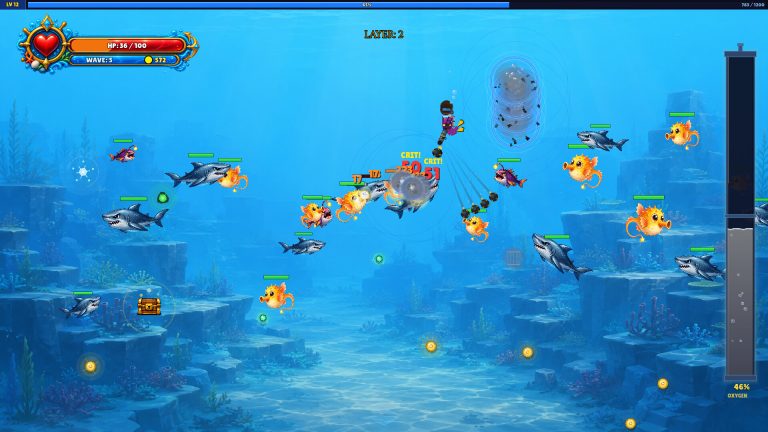
Deep Diver makes every breath increase the danger
Deep Diver makes every breath increase the danger. PEGAX Studios connects oxygen management to escalating enemies across eight weapons, 30 abilities and…
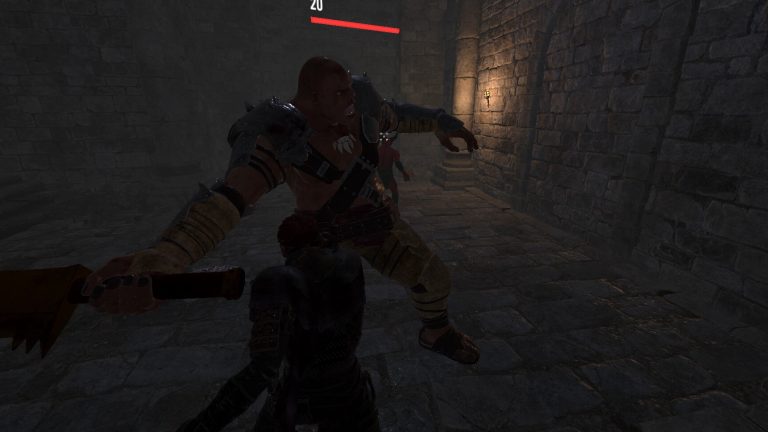
Endless Descent makes every dungeon run permanent
Endless Descent makes every dungeon run permanent. Emberlight Interactive builds its medieval roguelike around strict permadeath, procedural worlds and…
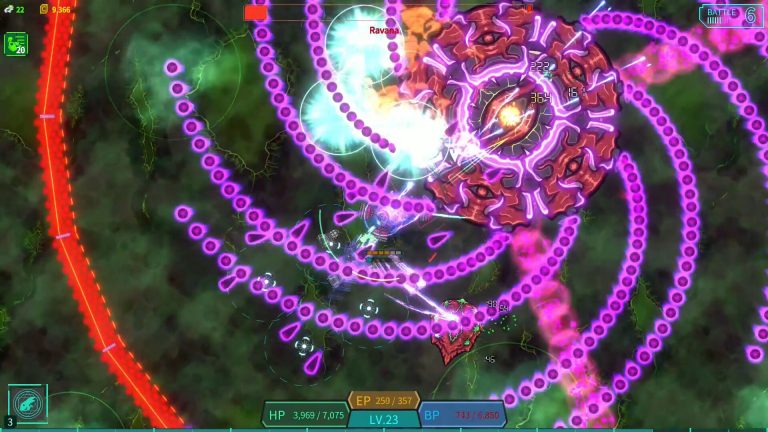
Guardians of Restoration launches with 56 bosses
Guardians of Restoration launches with 56 bosses. Creative Gorae offers four robots, 14 weapon choices, skill cards, persistent upgrades and dozens of…
Community channel
Join the discussion
Start a thoughtful, specific conversation about this story.
Verified readers only
Continue with Google to comment.
Your Google account creates a reader-only Kaizensclan profile. Your first comment is reviewed before publication.