MULLET MADJACK review: ten seconds of pure momentum
This MULLET MADJACK review finds an arcade shooter with one wonderfully blunt rule: health is time. Jack begins a floor with ten seconds to live, and defeatin.

 8.5
8.5 Kaizensclan verdict
This MULLET MADJACK review finds an arcade shooter with one wonderfully blunt rule: health is time. Jack begins a floor with ten seconds to live, and defeatin.
Review basis: 6 hours on PC. The stated time covers several sessions with the release build and is not a claim of full completion.
This MULLET MADJACK review finds an arcade shooter with one wonderfully blunt rule: health is time. Jack begins a floor with ten seconds to live, and defeating robots adds precious seconds. The result is a run built around fast target selection, clean movement and the confidence to keep advancing.
MULLET MADJACK review: the opening hours
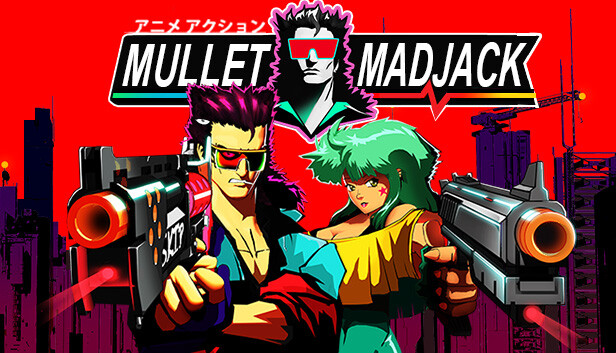
The campaign introduces a 2090 dystopia where humanity and the internet have merged into dopamine-hungry beings. Jack climbs a tower to rescue an influencer while announcers package violence as entertainment. The satire is broad, but it gives every countdown, upgrade screen and boss introduction the rhythm of an old video release.
Enter a floor, identify the closest useful target, kill to refill the timer and reach the elevator before the sequence collapses. Between floors, three random upgrades can alter weapons, healing, movement or finishing attacks. Death sends the run back to the start of the current chapter rather than erasing the entire campaign.
Systems and meaningful decisions
The ten-second clock rewards decisions that would be reckless in a conventional cover shooter. Executions, environmental kills and aggressive routes are survival tools. Upgrade choices can strengthen a preferred weapon or compensate for a weak resource, yet room recognition remains more important than assembling a perfect build.
We judged progression by whether it changed the next decision rather than merely increasing a number. A useful unlock opens a route, answers a recurring problem or creates a new risk. Busy menus received no extra credit when the underlying choice remained obvious.
Controls, combat and feedback
Mouse aiming is immediate, the slide preserves speed and the kick creates space without demanding a separate weapon. Enemies communicate danger through color and animation quickly enough for a crowded corridor. A missed reload or failed execution feels attributable to timing, though the forced pace leaves little room to recover from two errors in succession.
Failure is productive when the game supplies enough information for a better attempt. We separated setbacks caused by a readable rule or poor plan from repetition that only consumed time. Challenge can create tension without hiding responsibility for the outcome.
World and visual direction
Bold red, cyan and yellow frames make the game resemble a lost direct-to-video anime translated through a first-person shooter. Large silhouettes survive the visual noise, and brief cutaways sell impacts without completely obscuring the next target. The deliberate flicker and saturation can still be tiring over a long session.
Presentation was assessed during ordinary play, not only in composed screenshots. Strong direction guides attention through colour, movement and contrast while preserving mood. A beautiful effect becomes a liability when it hides an objective, hazard or rival.
Music and sound design
Electronic tracks accelerate the climb while weapon reports, timer warnings and execution stingers compete for attention. The mix succeeds because the countdown remains recognizable inside the spectacle. Repeated announcer lines fit the setting but become familiar when a difficult chapter sends Jack through the same introduction again.
Audio was treated as atmosphere and information. Distinct warnings, impacts and movement cues matter more over several hours than one loud set piece, although a memorable score can give repeated actions identity.
Performance and interface
The PC build stayed responsive throughout six hours, including high-density late floors. Ultrawide support, rebinding, aim options and separate toggles for camera shake and flashes are listed by the developer. Purple blood and a no-timer Classic Mode provide useful alternatives, although neither changes the game’s intentionally intense presentation.
One platform cannot represent every configuration, and later patches may change performance. We report the observed experience without promising results on untested hardware. Players with strict accessibility or frame-rate requirements should check current platform documentation.
We also compared the advertised fantasy with the action repeated between major set pieces. A score rises when ordinary minutes express the same strengths as the trailer, and falls when progress regularly depends on friction the game does not acknowledge or explain.
Learning curve and pacing
Early chapters isolate the timer, executions and upgrade economy before combining armored targets, traps and vertical threats. Memorizing a room helps, but the shuffled floor order prevents a complete script. The largest difficulty spikes arrive at bosses, where the normal kill-to-live rhythm can narrow into a more conventional pattern test.
The opening session was separated from later play. A system that initially feels obscure may become expressive after its vocabulary settles, while a polished tutorial can hide a loop that never develops. Essential status and resource information should remain available during play.
Replay value and practical fit
Six hours covered the campaign, repeat attempts and a short sample of Endless Mode. Chapters are compact enough for one-session goals, while difficulty options create space for another run. Endless Mode supports score chasing, but the authored campaign supplies the stronger visual and mechanical escalation.
Replay value can come from alternate routes, builds, conversations or mastery of a fixed sequence. Those forms are not interchangeable. We credit only the structure visible in the stated hours and do not award points for an assumed endgame or promised roadmap.
Value and accessibility
The campaign is concise, highly replayable and unusually consistent about its central rule. Players seeking exploration, stealth or a realistic arsenal will find little here. Those who enjoy improving a route by seconds receive more practical value than the runtime alone suggests.
Value was judged from the quality and repeatability of the available experience, not from a temporary discount. A compact game can justify its scope when every hour develops the idea; a larger game can still waste time through repetition.
The buying question extends beyond technical compatibility. Consider whether a normal twenty-minute stretch contains the decisions, reading, repetition and downtime you enjoy. Unedited footage of ordinary play is often a better final check than a trailer assembled from peak moments.
Limits of the 6-hour review
The campaign was completed once on PC, with selected chapters replayed and Endless Mode sampled rather than mastered. The review does not rank leaderboard strategies or exhaust every upgrade combination. Later balance patches and console versions can produce a different performance or difficulty profile.
The test window was long enough to revisit the core loop across separate sessions, but it did not cover every ending, late encounter or future update. Price, discounts and online population are not treated as permanent facts.
Who should play it?
Choose it if Post Void, Hotline Miami or score-driven shooters make speed feel clarifying. Use Classic Mode if the clock prevents you from reading the combat. Skip it when flashing presentation, repeated violent imagery or compulsory forward pressure outweigh the pleasure of rapid execution.
MULLET MADJACK review verdict
MULLET MADJACK understands that speed works only when information keeps pace. Its countdown creates urgency, but readable rooms and instant feedback turn that urgency into deliberate momentum rather than noise.
Pros: ten-second timer creates a distinct combat rhythm; clear feedback supports extreme speed; strong anime-inspired presentation.
Cons: bosses can interrupt the best rhythm; visual intensity may exhaust some players; announcer lines repeat during retries.
Final score: 8.5/10. A fiercely legible speed shooter that turns a ten-second life timer into forward momentum instead of arbitrary panic.
Sources: primary release notes or official records. Factual claims were checked against these records; interpretation is our own.
Continue with the Kaizensclan archive, our practical guides and the latest game reviews.
Follow-up test notes
The stated review time was spread across several sessions so that first impressions could be separated from habits that survived a break. We revisited early content after learning the systems and checked whether repeated rooms still produced meaningful choices. The score reflects the tested PC build, not unplayed late unlocks, theoretical completion time or a future roadmap.
Editorial note
Hands-on review window recorded in the article metadata, supported by official documentation and public technical coverage.
This article was reviewed on August 12, 2026.

Related stories
Bodycam rebuilds its sound for Locked & Loaded
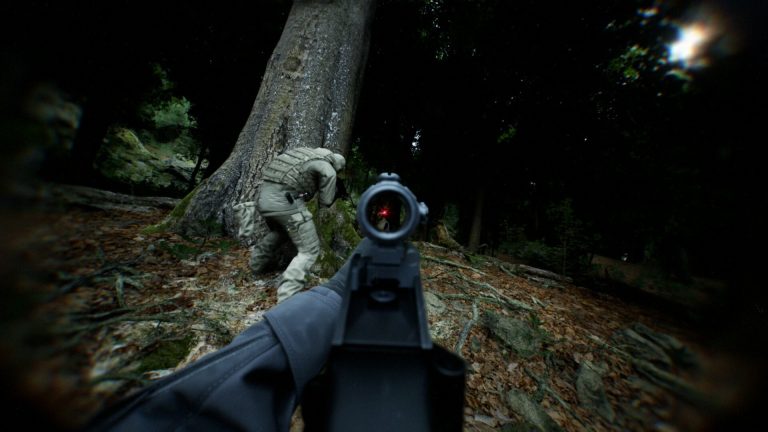
Bodycam rebuilds its sound for Locked & Loaded. Reissad Studio adds organic reverb, room propagation, vertical cues, new weapon recordings and clearer fly-bys.
STALKER 2 patch 2.0.2 fixes disappearing quest NPCs
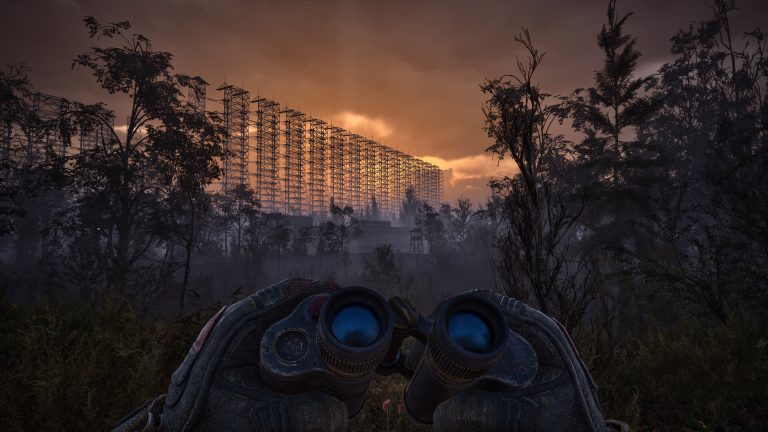
STALKER 2 patch 2.0.2 fixes disappearing quest NPCs. GSC Game World addresses a progression blocker and warns that installed mods may cause stability…
Backyard Paintball launches PC and mobile cross-play
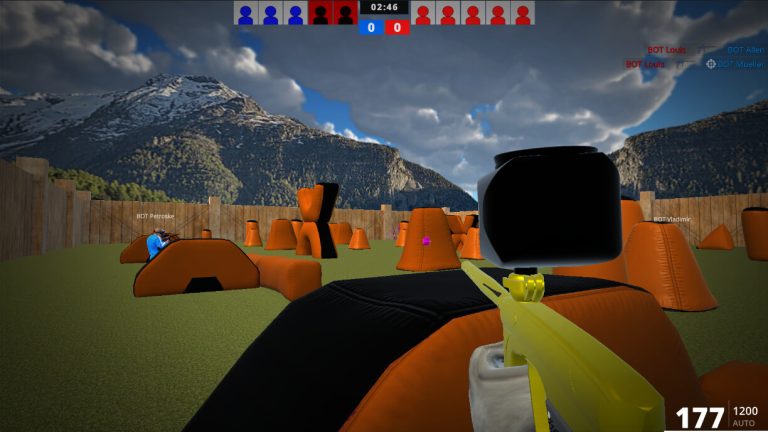
Backyard Paintball launches PC and mobile cross-play. The multiplayer FPS combines tournament Speedball, wooded scenarios, gear customization and cross-play…
Community channel
Join the discussion
Start a thoughtful, specific conversation about this story.
Verified readers only
Continue with Google to comment.
Your Google account creates a reader-only Kaizensclan profile. Your first comment is reviewed before publication.