PEAK review: a co-op climb built from small disasters
Our PEAK review examines co-op climbing, stamina, items, procedural routes, communication, technical performance and value after five hours on the mountain.

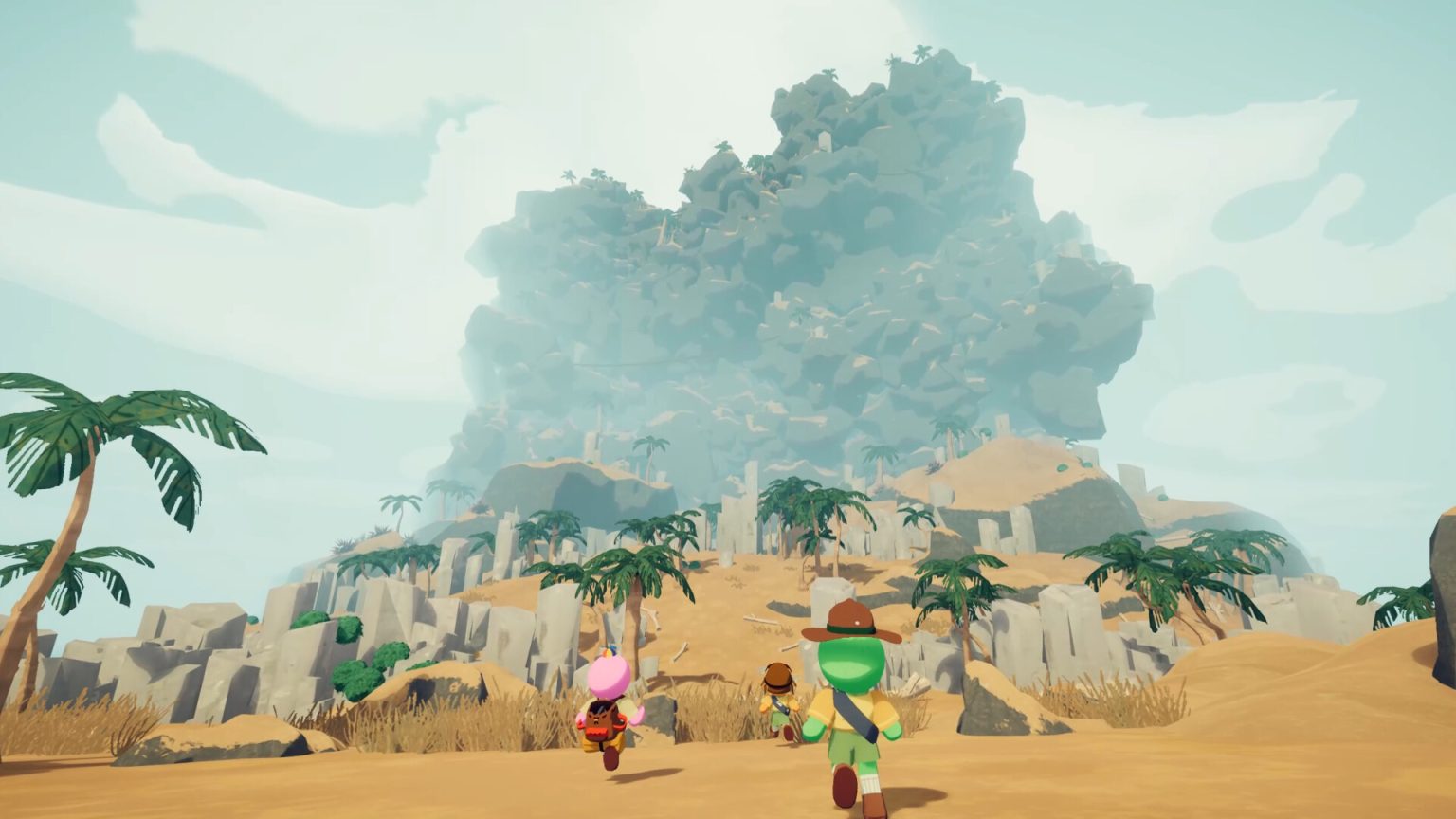 8.0
8.0 Kaizensclan verdict
Our PEAK review examines co-op climbing, stamina, items, procedural routes, communication, technical performance and value after five hours on the mountain.
Review basis: five hours of play supported by official documentation and public technical coverage. Hours played: 5. The score reflects the systems, presentation and technical state observed within that review window rather than a completionist playthrough.
This PEAK review finds a cooperative climbing game where the funniest failure is usually one handhold away from success. Simple movement, limited stamina and shared supplies create enough pressure for every shortcut, rescue and badly judged leap to become a team story.
Aggro Crab and Landfall released PEAK for PC on June 16, 2025. Up to four players attempt to climb through a sequence of hostile biomes after becoming stranded, carrying items and injuries forward until the expedition succeeds or falls apart.
Climbing is readable before it becomes demanding
The basic action is easy to understand: find a surface, commit stamina and move toward a safer hold. Difficulty comes from judging distance, route and remaining energy rather than memorizing a long command list.
Stamina turns vertical movement into budgeting. A direct climb may be fast but leave no reserve for a correction. A longer route can preserve energy while exposing the player to hazards or separating the group.
The controls produce physical comedy without becoming random. A dangling teammate looks absurd, yet the mistake usually has a clear cause. That balance lets players laugh and improve at the same time.
Items create decisions instead of a fixed build
Food, ropes, healing supplies and unusual tools give a team ways to recover from poor planning. Inventory space is limited, so carrying an item means leaving something else behind or asking another player to take responsibility.
The best item use feels social. A rope placed for the last climber changes the route for everyone. Food shared before a difficult wall can matter more than saving it for an imagined emergency.
Random availability prevents a completely scripted approach. Teams need principles rather than a single solution: preserve a rescue option, distribute weight and say who is carrying the resource that cannot be replaced.
Communication turns mistakes into rescues
PEAK does not require tournament-level callouts. Short information is enough: wait, rope here, low stamina, safe ledge. The clarity of the physical problem makes cooperation understandable even for a new group.
Rescuing a teammate is risky because the helper may enter the same bad position. That creates an honest choice between protecting the run and protecting the person. The game is usually more memorable when the team chooses the person.
Voice chat amplifies the comedy, but the underlying design is not only a joke generator. Spacing and item planning improve with practice, and successful teams become visibly more efficient.
Procedural routes keep the mountain uncertain
Changing layouts stop the climb from becoming a rehearsed sequence. Familiar biome rules return, but exact ledges, resources and hazards shift enough to demand attention.
Procedural construction can create uneven difficulty. One route may provide generous rest points while another asks for a demanding chain after supplies have already run low. The variation supports replayability, though not every failure feels equally earned.
Biomes change the type of pressure rather than only the colour of the rock. Heat, cold, vegetation and other hazards ask the group to reconsider pace and resource use.
Presentation knows when to stay out of the way
Characters are expressive enough to communicate panic and injury from a distance. Clean shapes keep ledges readable, while the mountain retains enough atmosphere to make height feel dangerous.
Sound is especially effective during separation. A distant voice or impact can tell the group that a routine climb has become a rescue. Music does not smother the natural rhythm of effort and relief.
The visual style also makes failure less hostile. PEAK can punish a mistake without presenting the expedition as grim survival misery.
Technical state and accessibility
The PC release is modest compared with a large open-world game, but online synchronization remains important when players grab, fall or help one another. Network instability can turn a precise rescue into confusion.
Controls are approachable, and the central stamina information is visible. Players with motion sensitivity should review camera options, while groups should set expectations around voice communication before the first climb.
The official Steam page lists current requirements and supported features. The five-hour session was stable enough for assessment, but it cannot represent every hardware and network combination.
Monetization and value
PEAK is sold as a premium game rather than a free-to-play progression funnel. Its value comes from repeat expeditions, changing routes and the social stories produced by failure.
Solo play preserves the climbing system but loses much of the negotiation and rescue drama. Buyers expecting the strongest version should have at least one regular partner or be comfortable joining others online.
PEAK review verdict
PEAK turns a compact set of climbing rules into a reliable cooperative story machine. Stamina makes every ledge meaningful, items create shared responsibility and failure usually teaches something before the laughter stops.
Score: 8.0/10. Recommended for groups that enjoy coordination without a long onboarding process. For another co-op game built around complementary actions, read our Split Fiction review; for survival planning, see our The Alters review.
What the five-hour window could not settle
Five hours reveal PEAK’s social rhythm but not every biome, item interaction or procedural edge case. Repeated expeditions may expose routes that feel unfair, and an experienced group may eventually reduce early climbs to routine.
The strong foundation is that the game creates new decisions from familiar verbs. A route changes when one teammate is injured, a rope is missing or food has been spent too early. Procedural variety matters because it rearranges those pressures rather than simply changing scenery.
Groups seeking longevity should rotate leadership and resist solving every run through one experienced caller. Shared decisions preserve the comedy and give less confident climbers room to learn.
Difficulty also changes with group size. A larger team carries more inventory and rescue options, but every additional climber creates another place where supplies can be spent or a route can stall. A pair communicates quickly; four players can recover from specialized mistakes.
The healthiest approach is to agree on risk before the climb. Some groups want to restart after a severe early injury. Others prefer to carry the damage forward because the improbable recovery is the story. PEAK supports both attitudes, but frustration rises when teammates expect different ones.
Item knowledge develops naturally. Early runs encourage hoarding because every tool appears precious. Later runs become cleaner when players use ropes, food and healing before the problem becomes irreversible. The correct item kept unused until failure has provided no value.
Solo climbing remains a useful mechanical test, yet it changes the emotional structure. Without another player to rescue or blame, mistakes become quieter and routes become pure stamina puzzles. The systems survive, but the strongest stories do not.
Daily variation gives returning groups a reason to compare notes, but repetition should not be treated as mandatory progression. PEAK is at its best when a failed climb creates curiosity about another attempt, not when a checklist makes the group log in.
That distinction supports the score. The game is compact and mechanically legible, yet its value rises sharply with the right teammates. It can provide a satisfying evening immediately; its long-term place depends on whether the group enjoys retelling failure as much as reaching the summit.
Editorial note: The PEAK review score uses a half-point scale and accounts for the five-hour review window. A complete campaign test could change the late-game assessment, but it would not erase the design strengths and limitations observed above.
Editorial note
Five-hour review window, supported by official documentation and public technical coverage.
This article was reviewed on August 6, 2026.

Related stories
Minishoot’ Adventures review: exploration under fire
This Minishoot Adventures review finds a small ship leaving its village to free captured friends and confront corrupted machines. SoulGame Studio combines an.

Mouthwashing review: horror after the crash
This Mouthwashing review enters the Tulpar after a crash leaves five crew members with dwindling supplies and no credible rescue. Wrong Organ shifts between.

Thank Goodness You’re Here review: slapstick with purpose
This Thank Goodness You’re Here review follows a traveling salesman who arrives early for a mayoral appointment and becomes free labor for Barnsworth. Coal.
Community channel
Join the discussion
Start a thoughtful, specific conversation about this story.
Verified readers only
Continue with Google to comment.
Your Google account creates a reader-only Kaizensclan profile. Your first comment is reviewed before publication.