Minecraft Elytra travel guide for Java 1.21.9
Minecraft Elytra travel is safest when the flight has a route, reserve altitude and landing plan. Java Edition 1.21.9 is the reference version. Check guide.

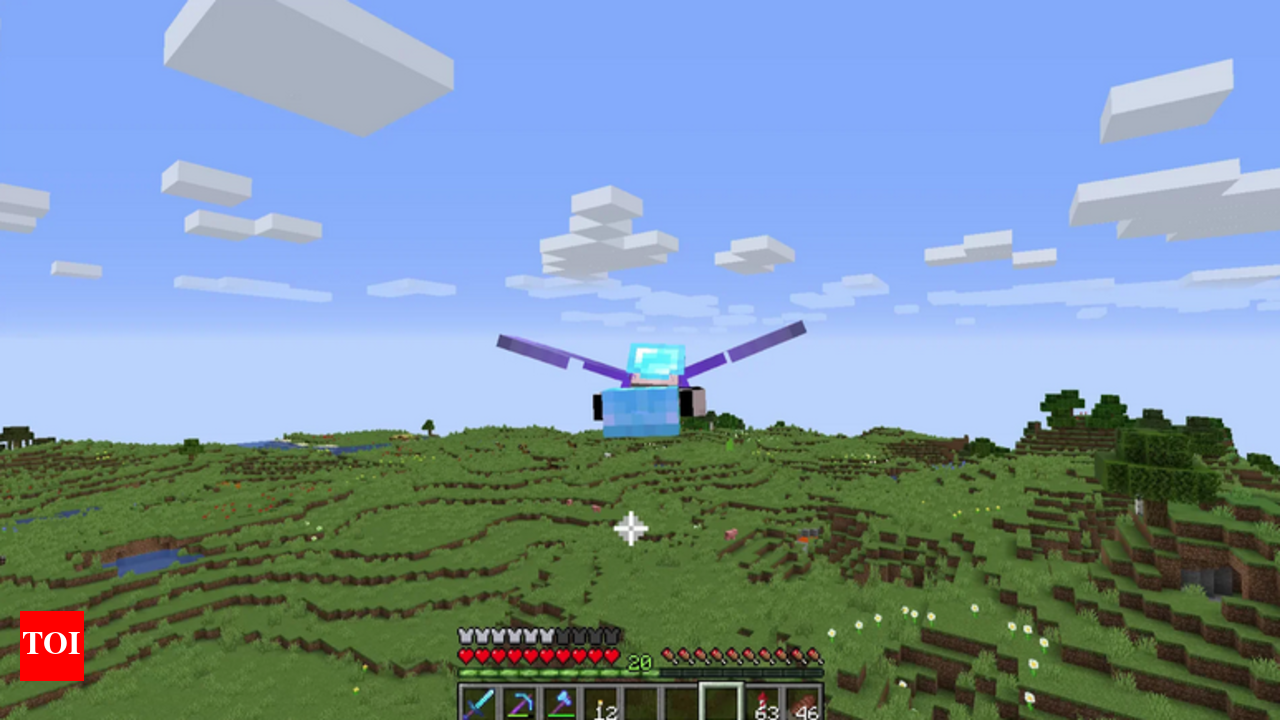
Updated for Minecraft Java Edition 1.21.9. Minecraft Elytra travel is safest when the flight has a route, reserve altitude and landing plan. Java Edition 1.21.9 is the reference version. Check durability, carry suitable Firework Rockets and avoid boosting blindly into unloaded terrain or a low ceiling.
Minecraft Elytra travel: the core plan
Equip repaired Elytra before departure and keep chest armor accessible for landing. Carry rockets without explosion effects for ordinary propulsion, food, coordinates and a recovery option such as an Ender Pearl or water bucket where appropriate. Choose a visible destination and intermediate landmarks rather than flying until supplies fail.
This is a repeatable decision framework, not a promise that every opponent or server will react identically. Test it in a low-stakes environment, record where it breaks and change one variable at a time.
Step-by-step execution
- Step 1: Inspect Elytra durability and repair it with Mending experience or Phantom Membranes before a long trip. Do not treat the warning color as a travel budget.
- Step 2: Launch from safe height by jumping and activating glide, then pitch gently. Practice over open terrain before using rockets near buildings, caves or the void.
- Step 3: Use one rocket when speed or altitude is needed, then glide efficiently instead of holding a steep climb. Keep several rockets reserved for an unexpected landing.
- Step 4: Watch terrain loading and reduce speed when the world ahead is unclear. Change direction early around mountains, towers and trees rather than making a last-second vertical pull.
- Step 5: Approach the destination in a shallow glide and select a wide surface. Stop boosting before landing, level the view and avoid diving directly at a small roof.
- Step 6: After arrival, replace Elytra with armor when combat is likely and record the route or portal coordinates. Repair before the return journey, not after taking off.
Assign one player or one clear cue to every transition. Plans often fail because two correct actions happen at different times. Short, specific communication keeps information useful without filling the channel with narration.
Common mistakes
Players launch with nearly broken Elytra, carry only enough rockets for the ideal route or use explosive fireworks that damage them. Looking sharply upward can stall the glide, while a steep dive creates lethal landing speed. Flying through the Nether, caves or forests without visibility turns a fast tool into collision risk.
Do not repair every failure by adding complexity. First decide whether the cause was information, timing, spacing, resources or execution. The smallest correction is easiest to remember and test on the next attempt.
Practice routine
Build a launch tower beside water and mark landing circles at increasing distances. Practice takeoff, one-rocket climbs and shallow landings without valuable inventory. Then fly a known route while counting rockets and durability used. Repeat in poor weather or at night only after the daytime route is consistent.
- Record the first moment the plan became uncertain.
- Check whether the required resource was available.
- Review spacing before blaming mechanics.
- Keep successful parts when changing the failed step.
A replay or saved clip is more reliable than memory after a tense attempt. Review the decision before the outcome: a poor choice can succeed, and a sound one can still lose. Repeat the same setup until timing is stable before adding a harder variation.
Communication and role ownership
On a shared server, send destination coordinates and announce departure. Flying partners should avoid occupying the same landing block or boosting directly behind one another. If chunks load slowly, call a slowdown instead of splitting the group. Keep portal and recovery coordinates in chat or a written book where teammates can use them.
Adaptation checklist
In the Nether, reduce speed and use established tunnels because ceilings and lava punish blind boosts. Above oceans, keep reserve rockets and identify islands before descending. On servers with latency or low render distance, fly higher and slower. If durability drops unexpectedly, land immediately on the widest safe surface rather than gambling on one more boost.
If an update changes geometry, economy, cooldowns or damage, retest the affected step rather than assuming the whole guide is obsolete. The version label above defines the boundary of this advice.
Final routine
After each route, record rockets consumed, durability lost and the hardest landing. Improve the route by adding a tower, beacon, lit strip or safe intermediate platform. Speed matters only after repeatability. A slightly longer flight with visible landmarks and a generous reserve is the better transport system.
Keep one learning goal per session. A narrow objective makes improvement visible and prevents a long checklist from competing with the match itself. Stop the drill once concentration falls, then return with the same measurable goal.
Sources: primary release notes or official records. Factual claims were checked against these records; interpretation is our own.
Continue with the Kaizensclan archive, our practical guides and the latest game reviews.
Editorial note
Facts and mechanics were checked against the linked primary sources before publication.
This article was reviewed on August 11, 2026.

Related stories
Minecraft mace combat guide for Java 1.21.9
Minecraft mace combat turns vertical movement into damage. Java Edition 1.21.9 is the reference version. A smash attack requires striking while falling far.
Minecraft Trial Chambers guide for Java 1.21.9
This Minecraft Trial Chambers guide is updated for Java Edition 1.21.9. The structures are combat dungeons made from copper and tuff, with Trial Spawners,.
Minecraft Copper Golem sorting guide for Java 1.21.9
Java Edition 1.21.9 adds the Copper Golem as a simple sorting assistant. Build it by placing a carved pumpkin or jack o’lantern on a copper block. The new.
Community channel
Join the discussion
Start a thoughtful, specific conversation about this story.
Verified readers only
Continue with Google to comment.
Your Google account creates a reader-only Kaizensclan profile. Your first comment is reviewed before publication.