Minecraft Trial Chambers guide for Java 1.21.9
This Minecraft Trial Chambers guide is updated for Java Edition 1.21.9. The structures are combat dungeons made from copper and tuff, with Trial Spawners,.

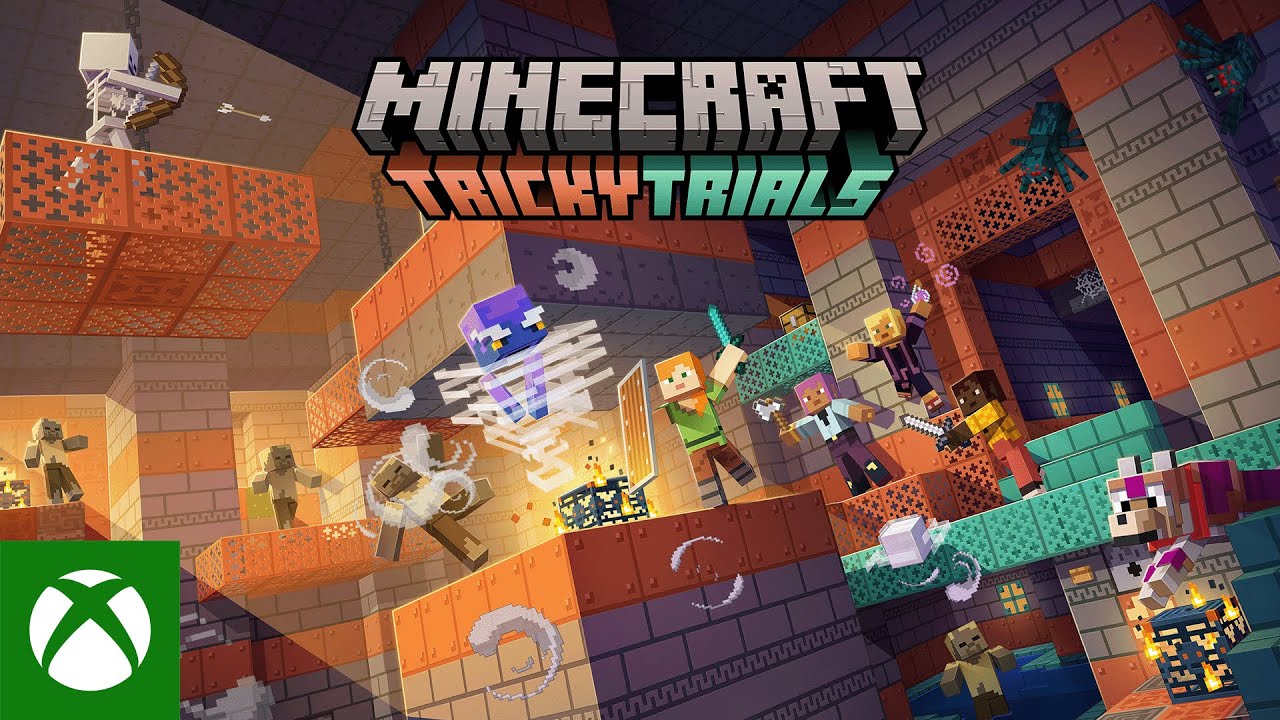
Updated for Minecraft Java Edition 1.21.9. This Minecraft Trial Chambers guide is updated for Java Edition 1.21.9. The structures are combat dungeons made from copper and tuff, with Trial Spawners, traps and vaults. A successful trip needs inventory space, food, shields, ranged options and an exit route—not only strong armor.
Minecraft Trial Chambers guide: the core plan
Locate a chamber with an explorer map from the appropriate cartographer trade or through exploration commands only if your world rules allow them. Set a safe staging point outside the active rooms. Carry blocks, torches, milk for emergency effect removal, a water bucket, reliable food, arrows and spare equipment. Leave irreplaceable valuables at home.
This is a repeatable decision framework, not a promise that every opponent or server will react identically. Test it in a low-stakes environment, record where it breaks and change one variable at a time.
Step-by-step execution
- Step 1: Mark the entrance and create a bed or respawn plan at a legal safe distance. Store reserve food and tools in a chest outside so one death does not end the expedition.
- Step 2: Enter one room at a time and observe the Trial Spawner before crossing the whole floor. Block secondary corridors temporarily so enemies cannot approach from unexplored spaces.
- Step 3: Use pillars, doors and height to divide targets. Prioritize ranged or control threats, especially Breezes whose wind charges can move players into hazards, before chasing ordinary melee mobs.
- Step 4: After the encounter, wait for the spawner’s ejection and confirm the room is quiet. Collect keys and supplies before opening another route; scattered drops become difficult to recover when a new wave begins.
- Step 5: Use Trial Keys on standard vaults. Each eligible player can receive rewards from a vault, so a group should approach it individually rather than assuming the first opening consumed the reward for everyone.
- Step 6: Attempt an Ominous Trial only after the ordinary chamber is understood. Drinking an ominous bottle applies Bad Omen, which transforms near an active spawner; expect tougher conditions and preserve an escape path.
Assign one player or one clear cue to every transition. Plans often fail because two correct actions happen at different times. Short, specific communication keeps information useful without filling the channel with narration.
Common mistakes
Running through multiple doors activates more pressure than the team can read. Digging blindly can open a room behind you or separate players. Another mistake is drinking an ominous bottle at the entrance without clearing inventory and retreat lanes. Do not treat copper bulbs or decorative blocks as harmless if removing them destroys your navigation markers.
Do not repair every failure by adding complexity. First decide whether the cause was information, timing, spacing, resources or execution. The smallest correction is easiest to remember and test on the next attempt.
Practice routine
Copy the world seed into a separate practice world if you want to learn room shapes without risking the survival save. Rehearse shield timing against skeletons and movement against Breezes. In a real chamber, pause after each room and write coordinates for the entrance, staging chest and unopened vaults. A group should practice regrouping on one named block or banner.
- Record the first moment the plan became uncertain.
- Check whether the required resource was available.
- Review spacing before blaming mechanics.
- Keep successful parts when changing the failed step.
A replay or saved clip is more reliable than memory after a tense attempt. Review the decision before the outcome: a poor choice can succeed, and a sound one can still lose. Repeat the same setup until timing is stable before adding a harder variation.
Communication and role ownership
Assign one player to call retreats and another to track unopened routes. Use room names based on obvious blocks rather than “over here.” Announce low shields, missing food and ominous activation before engaging. When loot drops, clear the chamber first and divide rewards at the staging chest, not while teammates are still fighting.
Adaptation checklist
Solo players should reduce simultaneous sightlines and keep a bow ready. Groups scale Trial Spawner encounters, so adding players is not the same as making every room trivial. If equipment durability falls, leave and repair rather than gambling the return path. With Ominous Trials, use cover against additional projectiles and reset between activations.
If an update changes geometry, economy, cooldowns or damage, retest the affected step rather than assuming the whole guide is obsolete. The version label above defines the boundary of this advice.
Final routine
A completed expedition ends when loot and keys reach the outside chest, not when the final mob dies. Photograph or note unexplored coordinates, restore the marked exit and decide whether another ominous run is worth the resources. Preserve the chamber if you intend to revisit spawners after their cooldown.
Keep one learning goal per session. A narrow objective makes improvement visible and prevents a long checklist from competing with the match itself. Stop the drill once concentration falls, then return with the same measurable goal.
Sources: primary release notes or official records. Factual claims were checked against these records; interpretation is our own.
Continue with the Kaizensclan archive, our practical guides and the latest game reviews.
Editorial note
Facts and mechanics were checked against the linked primary sources before publication.
This article was reviewed on August 11, 2026.

Related stories

Minecraft mace combat guide for Java 1.21.9
Minecraft mace combat turns vertical movement into damage. Java Edition 1.21.9 is the reference version. A smash attack requires striking while falling far.
Minecraft Copper Golem sorting guide for Java 1.21.9
Java Edition 1.21.9 adds the Copper Golem as a simple sorting assistant. Build it by placing a carved pumpkin or jack o’lantern on a copper block. The new.

Minecraft Tricky Trials opens the Trial Chambers
Mojang released Minecraft Tricky Trials on June 13, 2024 for Java and Bedrock editions. The 1.21 update centres on Trial Chambers, underground structures buil.
Community channel
Join the discussion
Start a thoughtful, specific conversation about this story.
Verified readers only
Continue with Google to comment.
Your Google account creates a reader-only Kaizensclan profile. Your first comment is reviewed before publication.