How to raise and ride a Happy Ghast in Minecraft 1.21.6
Learn how to ride a Happy Ghast in Minecraft 1.21.6 by obtaining a Dried Ghast, hydrating it, raising a Ghastling and crafting a harness. Read the verified.

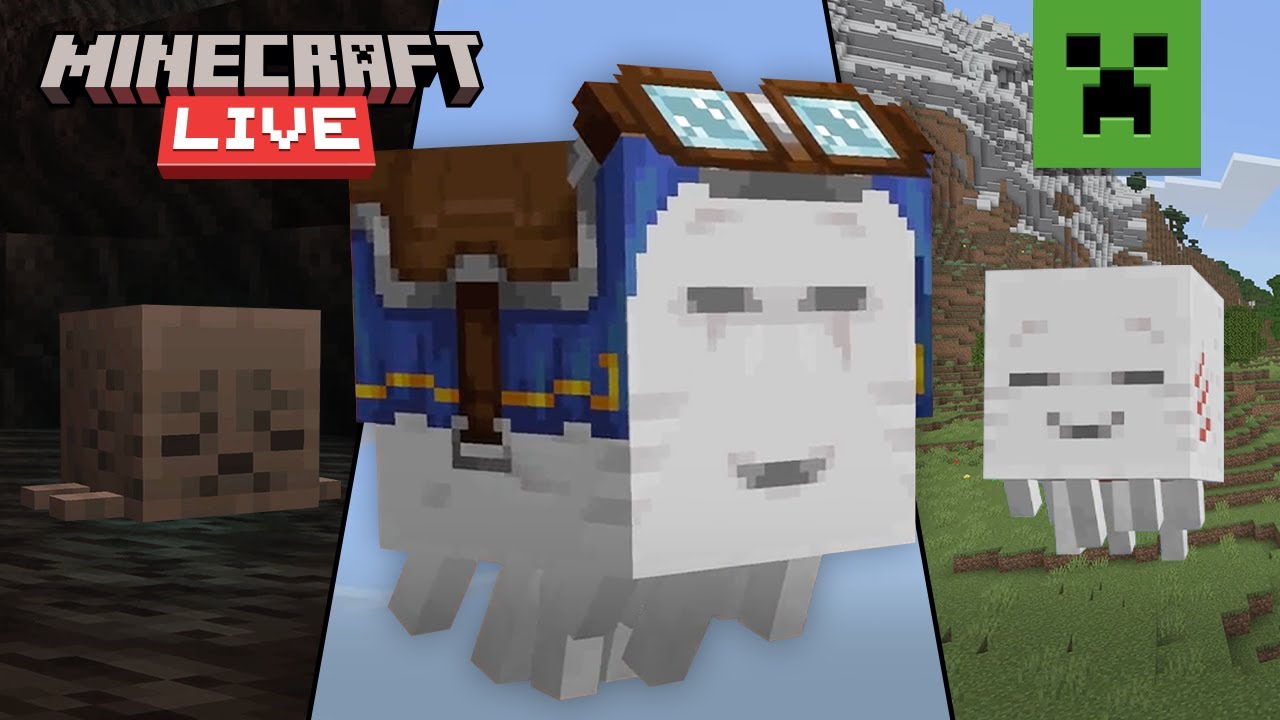
Updated for Minecraft Java Edition 1.21.6, Chase the Skies. This guide takes a survival player from the first Dried Ghast block to a controllable four-seat Happy Ghast. The process takes time rather than difficult combat, so prepare water, snowballs and the harness materials before beginning the growth cycle.
How to ride a Happy Ghast: the plan
Obtain a Dried Ghast through Nether fossils, Piglin bartering or crafting one from one Soul Sand block surrounded by eight Ghast Tears. Move it to a safe Overworld water source, let it hydrate continuously, feed the Ghastling if you want faster growth, then equip the adult with a harness.
This guide is a repeatable decision framework, not a promise that every opponent will react the same way. Run it first in a low-stakes environment, record where it breaks, and change one variable at a time.
Step-by-step execution
- Step 1: Acquire a Dried Ghast block through exploration, bartering or the Soul Sand and Ghast Tear recipe.
- Step 2: Build a contained water area in the Overworld where the future Ghastling cannot drift into hazards.
- Step 3: Place the Dried Ghast in water and keep it continuously waterlogged through its hydration stages.
- Step 4: Wait roughly 20 minutes for the block to produce a Ghastling; removing it from water reverses hydration progress.
- Step 5: Stay nearby or secure the area because the Ghastling can follow players and suitable friendly mobs.
- Step 6: Feed the Ghastling snowballs to accelerate growth, or wait roughly another 20 minutes for natural adulthood.
- Step 7: Craft a harness from three Leather, two Glass blocks and one Wool block; the wool colour sets the initial harness colour.
- Step 8: Use the harness on the Happy Ghast, then mount it. The first rider controls movement.
- Step 9: Invite up to three additional players, who occupy the remaining seats around the mob.
- Step 10: Dismount with the sneak key and use shears to remove the harness when nobody is mounted.
Assign one player or one clear cue to each transition. A plan often fails because two correct actions happen at different times. Short, specific communication keeps information useful without filling the channel with narration.
Common mistakes
The largest mistake is mining or removing the Dried Ghast before hydration finishes, because the stage is not preserved. Players also raise the Ghastling in an open area, forget that it can wander, or craft a harness before collecting enough glass and leather.
Do not repair every mistake by adding complexity. First identify whether the failure came from information, timing, spacing, resources or execution. The smallest correction is easier to remember and test on the next attempt.
How to practise the routine
Begin without opposition and confirm movement, ranges and timing. Add one realistic source of pressure only after the sequence is consistent. Finally, practise an interrupted version so the group knows when to continue, pause or cancel.
- Record the first moment the plan became uncertain.
- Check whether the required resource was available.
- Review spacing before blaming individual mechanics.
- Keep successful parts when changing the failed step.
Use objective evidence where possible: a replay, demo or saved clip is more reliable than memory after a tense round. Review the decision before the outcome, because a poor choice can succeed and a sound choice can still lose.
Communication and role ownership
Every required job needs one owner and one backup condition. Name the information that triggers the action instead of asking a teammate to guess from tone. When several players can solve the same problem, decide whose resource is cheapest before the match reaches that moment.
Adaptation checklist
In multiplayer, build a landing platform and agree who takes the front control seat. For construction, passengers can stand on top while the Happy Ghast stops and aligns itself. A leashed adult stays closer, while rain, snow and cloud-height flight improve its natural health regeneration.
If an update changes geometry, economy, cooldowns or damage, retest the affected step rather than assuming the entire guide is obsolete. The version label at the top is the boundary of this advice.
Final routine
The repeatable process is dried block, continuous water, Ghastling, snowballs, adult and harness. Secure each stage before waiting. The Happy Ghast cannot breed, so every additional mount needs its own Dried Ghast cycle.
Keep one learning goal per session. A narrow objective makes improvement visible and prevents a long checklist from competing with the match itself.
Source: official information and published records.
Continue with our practical guides and browse more reporting in the Kaizensclan archive.
Review after the match
Repeat the complete sequence until every player can state the next decision and its cancellation condition without prompting. After each attempt, record one timing, resource or positioning error and correct that single point first. Retest the routine whenever the relevant game version changes, because a small geometry or economy adjustment can alter an otherwise sound plan.
Editorial note
Facts and mechanics were checked against the linked primary sources before publication.
This article was reviewed on August 7, 2026.

Related stories
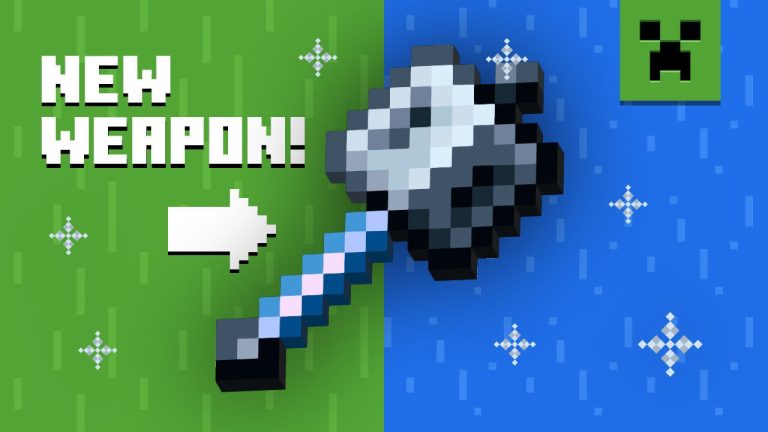
Minecraft mace combat guide for Java 1.21.9
Minecraft mace combat turns vertical movement into damage. Java Edition 1.21.9 is the reference version. A smash attack requires striking while falling far.
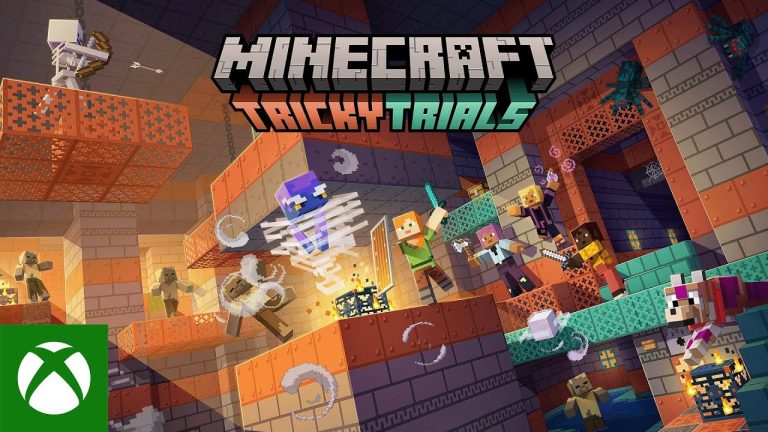
Minecraft Trial Chambers guide for Java 1.21.9
This Minecraft Trial Chambers guide is updated for Java Edition 1.21.9. The structures are combat dungeons made from copper and tuff, with Trial Spawners,.
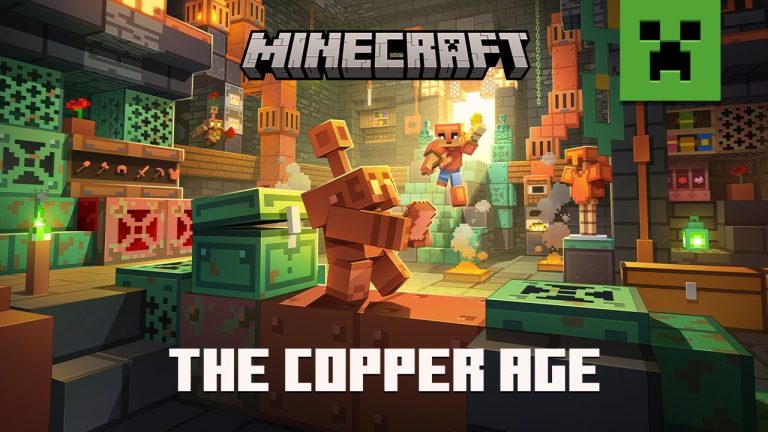
Minecraft Copper Golem sorting guide for Java 1.21.9
Java Edition 1.21.9 adds the Copper Golem as a simple sorting assistant. Build it by placing a carved pumpkin or jack o’lantern on a copper block. The new.
Community channel
Join the discussion
Start a thoughtful, specific conversation about this story.
Verified readers only
Continue with Google to comment.
Your Google account creates a reader-only Kaizensclan profile. Your first comment is reviewed before publication.