Dota 2 Smoke of Deceit guide for Patch 7.41e
This Dota 2 Smoke of Deceit guide explains timing, lane setup, vision, formation and objective conversion for coordinated moves on Patch 7.41e. Read the.

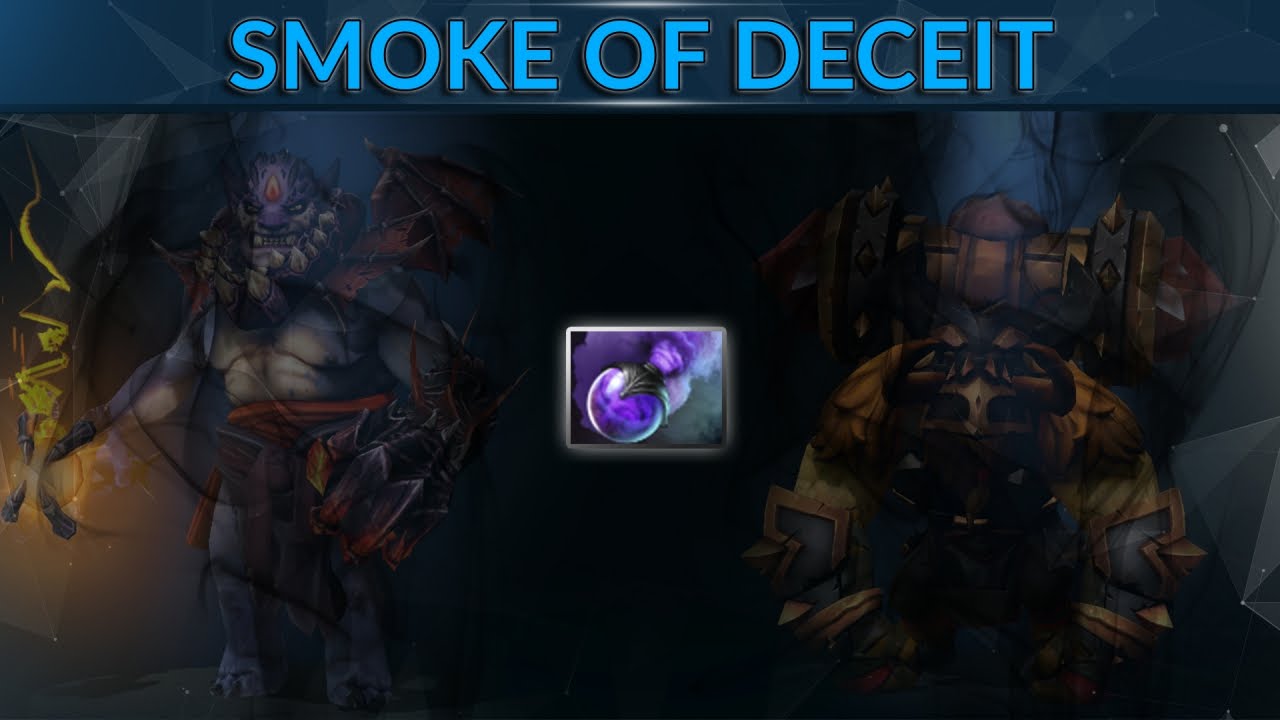
Updated for Dota 2 Patch 7.41e. This guide is for teams that use Smoke of Deceit but arrive without a target or follow-up objective. It turns the consumable into a planned map move built from pushed lanes, vision denial and a formation that protects the first contact.
Dota 2 Smoke of Deceit guide: the plan
Create a believable absence from the map, smoke outside enemy vision, move through low-information terrain and know what the kill should unlock. A smoke that finds no hero can still be useful if it gains a ward, Roshan position or tower.
This guide is a repeatable decision framework, not a promise that every opponent will react the same way. Run it first in a low-stakes environment, record where the plan breaks, and change one variable at a time.
Step-by-step execution
- Step 1: Push the nearest safe lanes before grouping so enemy heroes must reveal or lose farm and tower pressure.
- Step 2: Check inventories and cooldowns; a smoke without detection, disables or a key ultimate begins with a hidden weakness.
- Step 3: Choose a target area from recent information rather than walking toward the place the enemy was two minutes ago.
- Step 4: Group outside common wards and sentry the meeting point when the opponent has recently seen several heroes nearby.
- Step 5: Place the durable initiator first, follow with immediate control, and keep fragile damage dealers outside the first reveal radius.
- Step 6: Avoid neutral camps and predictable rune paths when a safer route costs only a few seconds.
- Step 7: Call the first acceptable target before contact so the team does not split between a support and a core.
- Step 8: When smoke breaks unexpectedly, name the direction and use prepared disables instead of stacking every spell on one unit.
- Step 9: Convert a successful pick into vision, Roshan, a tower or stolen farm before returning to separate lanes.
- Step 10: If no target appears, place a deep ward and exit together; do not turn a missed smoke into five individual deaths.
Assign one player or one clear cue to each transition. A plan often fails because two correct actions happen at different times. Short, specific communication keeps information useful without filling the channel with narration.
Common mistakes
Common failures are smoking under a ward, walking with lanes under the team’s own towers, putting the support in front and chasing beyond the area where allies can join. Another mistake is using smoke because it is available rather than because the map state supports it.
Do not repair every mistake by adding more complexity. First identify whether the failure came from information, timing, spacing, resources or execution. The smallest correction is easier to remember and easier to test on the next attempt.
How to practise the routine
Begin without opposition and confirm movement, ranges and timing. Add one defender or one realistic source of pressure only after the sequence is consistent. Finally, practise an interrupted version so the group knows when to continue, pause or cancel.
- Record the first moment the plan became uncertain.
- Check whether the required resource was available.
- Review spacing before blaming individual mechanics.
- Keep the successful parts when changing the failed step.
Use objective evidence where possible: a replay, combat log, demo or saved clip is more reliable than memory after a tense round. Review the decision before the outcome, because a poor choice can succeed and a sound choice can still lose.
Communication and role ownership
Every required job needs one owner and one backup condition. Name the information that triggers the action instead of asking a teammate to guess from tone. When several players can solve the same problem, decide whose resource is cheapest before the match reaches that moment.
Useful communication is short because it changes a decision. State location, timing and intention, then leave room for the next call. Repeating old information can hide the one update that requires the plan to stop.
Adaptation checklist
Against split push, smoke toward the hero forced to defend a long lane. Against a grouped opponent, use smoke for angle and vision rather than expecting an isolated target. When Roshan matters, preserve enough health and ultimates to take it after the pick.
If an update changes geometry, economy, cooldowns or damage, retest the affected step rather than assuming the entire guide is obsolete. The version label at the top is the boundary of this advice.
Final routine
Before activation, say target area, first formation and conversion objective. After contact, update only what changed. This keeps a five-player move readable when the smoke breaks earlier than planned.
Keep one learning goal per session. A narrow objective makes improvement visible and prevents a long checklist from competing with the match itself.
Source: official information and published records.
Continue with our practical guides and browse more reporting in the Kaizensclan archive.
Repeat the complete sequence until every player can state the next decision and its cancellation condition without prompting. Retest the routine whenever the relevant game version changes.
Editorial note
Facts and mechanics were checked against the linked primary sources before publication.
This article was reviewed on August 7, 2026.

Related stories
Dota 2 Watcher control guide for patch 7.41e
Dota 2 Watcher control is useful when it protects the next movement, not when a support activates every structure on cooldown. Patch 7.41e is the reference.
Dota 2 courier control guide for patch 7.41e
Good Dota 2 courier control protects a timing rather than chasing perfect convenience. Patch 7.41e is the reference version. Each player owns a courier, but.
Dota 2 neutral item choices guide for patch 7.41e
Patch 7.41e is the boundary for this guide. Neutral item selection should answer the next fight’s real constraint: survival, reach, mana, farming tempo, dispe.
Community channel
Join the discussion
Start a thoughtful, specific conversation about this story.
Verified readers only
Continue with Google to comment.
Your Google account creates a reader-only Kaizensclan profile. Your first comment is reviewed before publication.