CS2 Overpass CT rotations for competitive play
Learn CS2 Overpass CT rotations for competitive play: information triggers, connector control, safe B support and disciplined save decisions. Read the verified.

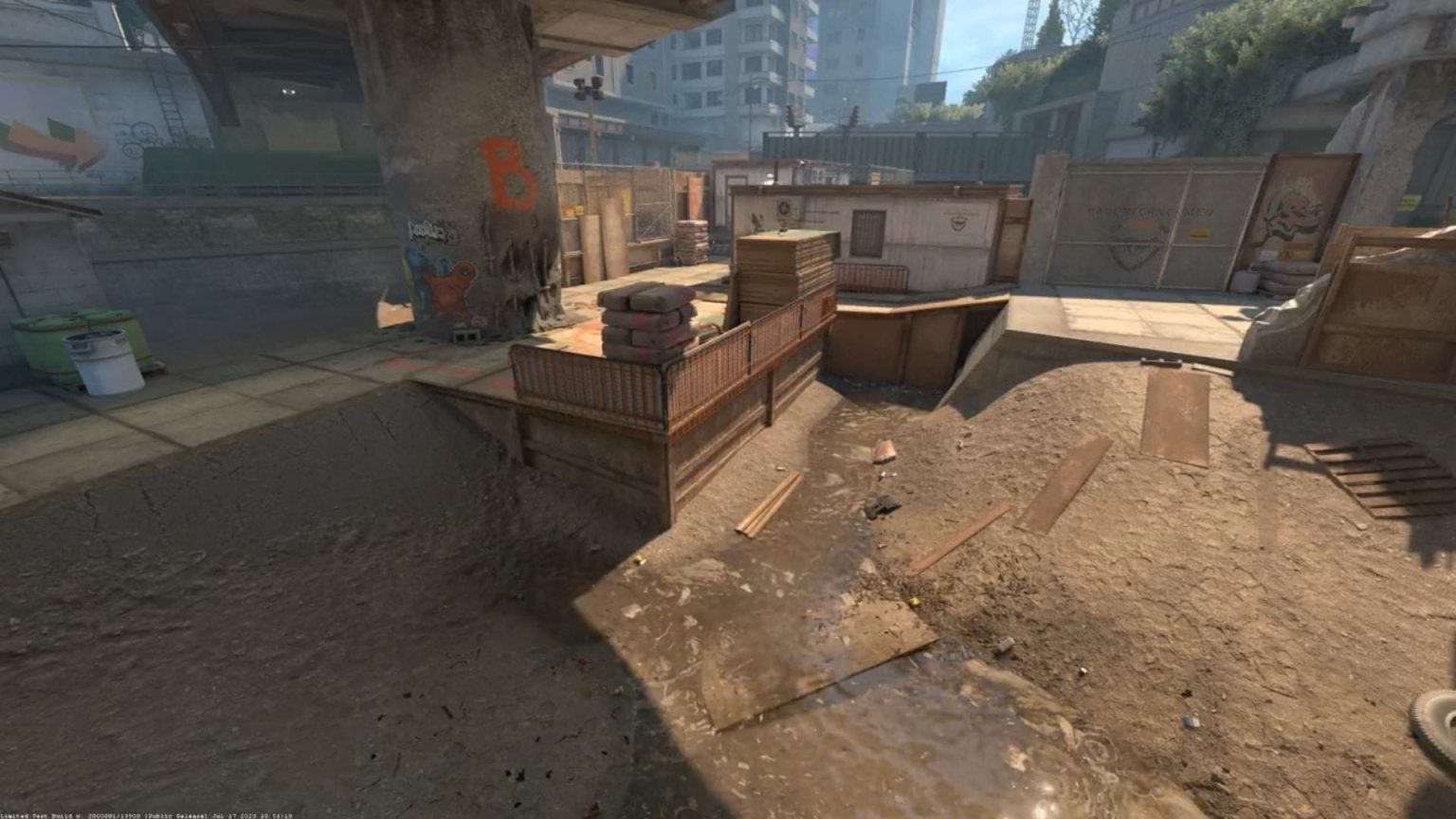
Updated for the current Overpass layout (outside the Season 5 Active Duty pool). Overpass gives defenders several rotation routes, but distance punishes a move made from fear rather than information. The objective is not to reach the other site at the first sound. It is to preserve a route, confirm the attack and arrive with utility while the anchor can still delay.
CS2 Overpass CT rotations: the plan
Begin with a stable 2–1–2 shape: two players contest or monitor A, one controls connector information and two protect B. The connector player is the hinge. A clean short-water or connector call can move support without stripping the opposite site, while lost control forces slower, safer paths.
This guide is a repeatable decision framework, not a promise that every opponent or server will react identically. Test it first in a low-stakes environment, record where it breaks and change one variable at a time.
Step-by-step execution
- Step 1: Establish who owns bathrooms, connector and short-water information before the round begins. Do not let two players assume the same gap is watched.
- Step 2: Use early utility to take information, not simply to cause damage. A fading smoke or molotov has a known time; communicate when its protection ends.
- Step 3: If B reports pressure without confirmed bomb presence, move the connector player toward support while the second A defender holds a recoverable angle.
- Step 4: On confirmed commitment, rotate the nearest safe player first and keep the distant defender alive long enough to deny a full flank through CT routes.
- Step 5: For an A attack, the B short player should clear connector risk before climbing. The site anchor calls whether support should arrive through bank, stairs or a longer flank.
- Step 6: After the plant, stop treating rotation as a race. Count surviving utility, identify the planted position and decide immediately whether the retake has enough kits, health and time.
Assign one player or one clear cue to each transition. Plans often fail because two correct actions happen at different times. Short, specific communication keeps information useful without filling the channel with narration.
Common mistakes
The most common error is a double rotation from A after one flash at Monster, leaving a silent attacker free to walk through bathrooms. The opposite mistake is a B anchor dying with all utility unused. Defenders also rotate through connector after losing control, turning a support route into an exposed duel. Finally, teams call a save too late and lose weapons at exits without attempting a realistic retake.
Do not repair every mistake by adding complexity. First identify whether failure came from information, timing, spacing, resources or execution. The smallest correction is easier to remember and test on the next attempt.
Practice routine
Load Overpass with teammates and time each route from a standard defensive position to both plant zones. Repeat while clearing every dangerous angle, because an unrealistic knife-out sprint teaches the wrong arrival time. Then record three demo rounds and pause at the first rotation: state the evidence available at that exact second.
- Record the first moment the plan became uncertain.
- Check whether the required resource was actually available.
- Review spacing before blaming individual mechanics.
- Keep successful parts when changing the failed step.
Use objective evidence when possible. A replay, demo or saved clip is more reliable than memory after a tense round. Review the decision before the outcome, because a poor choice can succeed and a sound choice can still lose.
Communication and role ownership
Useful calls combine place, number and commitment: “three Monster, bomb seen, one short” is actionable; “all B” without evidence is not. The anchor should say how long delay utility remains. The rotating player confirms the route so teammates do not duplicate bank while stairs remains open.
Every required job needs one owner and one backup condition. Name the information that triggers the action rather than asking a teammate to guess from tone. When several players can solve the same problem, use the cheapest resource first.
Adaptation checklist
Against slow defaults, protect connector and avoid early over-rotation. Against repeated fast B hits, move a support spawn or utility package without abandoning A information. If attackers punish bank retakes, arrive earlier through stairs or preserve a short-water flank. Economy changes the threshold: a low-utility round should favour crossfires and saves over an optimistic retake.
If an update changes geometry, economy, cooldowns or damage, retest the affected step instead of assuming the entire guide is obsolete. The version label at the top defines the boundary of this advice.
Final routine
Use a three-question trigger: Was the bomb seen? Which route remains controlled? How many seconds of anchor utility remain? Rotate one layer at a time until the answer confirms commitment, then arrive together and decide the retake before the post-plant timer decides for you.
Keep one learning goal per session. A narrow objective makes improvement visible and prevents a long checklist from competing with the match itself.
Sources: official information and published records. Factual claims were checked against the linked source and additional primary records; interpretation is our own.
Explore more reporting in the Kaizensclan archive and continue with our practical gaming guides.
Editorial note
Facts and mechanics were checked against the linked primary sources before publication.
This article was reviewed on August 7, 2026.

Related stories
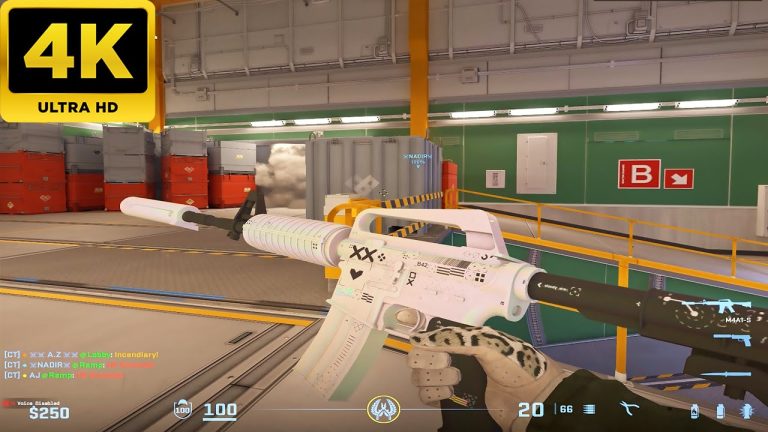
CS2 Nuke B-site defense guide for Premier Season 5
Build a reliable CS2 Nuke B-site defense for Premier Season 5 with ramp control, utility timing, vent information and clear rotation rules. Read our verified.
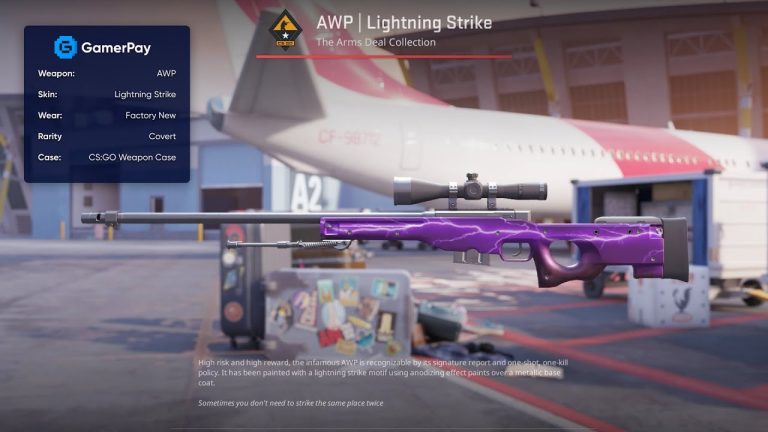
AWP Lightning Strike: one image, immediate focus
AWP Lightning Strike is one of Counter-Strike’s original Arms Deal finishes, released in August 2013. A white lightning bolt cuts across a purple body, using.
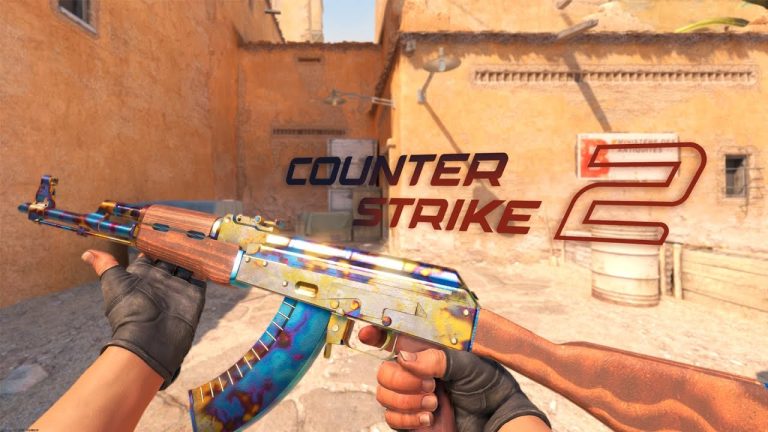
AK-47 Case Hardened: pattern as the whole design
AK-47 Case Hardened entered Counter-Strike with the Arms Deal update in August 2013. Its finish applies the irregular colors of case-hardening to the rifle,.
Community channel
Join the discussion
Start a thoughtful, specific conversation about this story.
Verified readers only
Continue with Google to comment.
Your Google account creates a reader-only Kaizensclan profile. Your first comment is reviewed before publication.