CS2 Nuke B-site defense guide for Premier Season 5
Build a reliable CS2 Nuke B-site defense for Premier Season 5 with ramp control, utility timing, vent information and clear rotation rules. Read our verified.

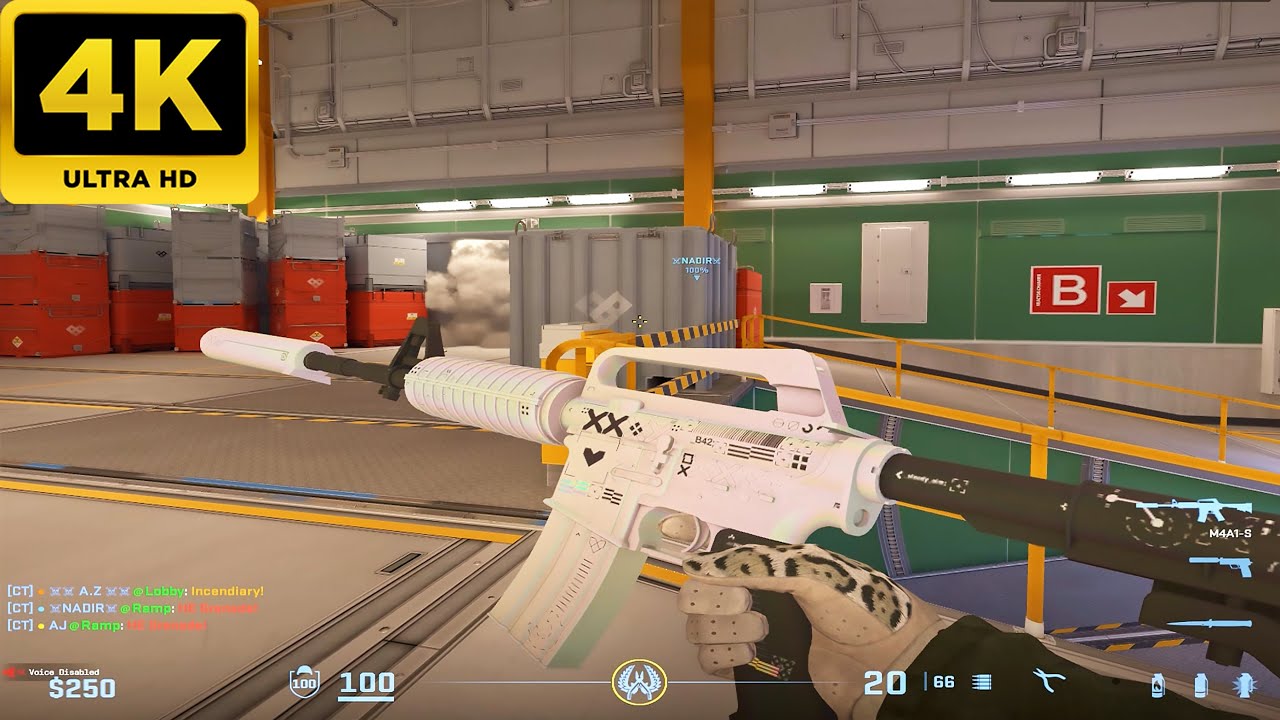
Updated for Counter-Strike 2 Premier Season 5. Nuke’s lower site is rarely defended by five players waiting inside it. A reliable defense protects ramp information, controls vent and secret routes, then rotates before the Terrorists can isolate the anchor. The objective is to preserve connected fights, not to make one heroic last stand behind the silo.
CS2 Nuke B-site defense: the core plan
Use one ramp player as the early warning system, one lower anchor with survival utility and outside or heaven players who understand the fastest safe route down. Decide before the round which sound cue permits a rotation. Smokes and incendiaries should buy time for that connection instead of being thrown automatically at the opening freeze-time plan.
This is a repeatable decision framework, not a promise that every opponent or server will react identically. Test it in a low-stakes environment, record where it breaks and change one variable at a time.
Step-by-step execution
- Step 1: Give the ramp defender a flash or incendiary and a retreat route. Fight for information from a position that can escape toward lower, not from a corner that becomes a mandatory duel.
- Step 2: The lower anchor should begin where decontamination, double doors and vent can be monitored without exposing the same body to all three. Close or open doors deliberately so the sound state has meaning.
- Step 3: Outside players must call whether secret is possible, confirmed or denied. Do not say only “outside” when the lower defenders need to know if the threat can already reach B.
- Step 4: When ramp pressure is confirmed, spend one delaying grenade and fall toward the next crossfire. A smoke at the lower ramp entrance is valuable only if teammates know whether enemies can already be through it.
- Step 5: Keep one defender able to punish a fast vent drop. If the top player loses squeaky and vent, call the timing immediately; lower-site attention must change before the first enemy lands.
- Step 6: On the site, separate angles so one clearing swing cannot remove both defenders. One player can contest the plant while the second watches the route most likely to protect it.
- Step 7: If B is lost, wait for heaven, ramp and secret rotations to synchronize. Clear dark, behind silo and control-room positions in an agreed order rather than entering through three doors at unrelated times.
- Step 8: After each round, note which route supplied the missing information. Change the early assignment only when the same gap repeats; one unlucky timing is not proof that the entire setup is wrong.
Assign one player or one clear cue to every transition. Plans often fail because two correct actions happen at different times. Short, specific communication keeps information useful without filling the channel with narration.
Common mistakes
Common failures include rotating both ramp and heaven on one sound, fighting to the death at ramp, forgetting a silent vent drop, and throwing the lower smoke after attackers have crossed it. Anchors also reveal themselves by opening doors repeatedly without a purpose, giving the offense free timing information.
Do not repair every failure by adding complexity. First decide whether the cause was information, timing, spacing, resources or execution. The smallest correction is easiest to remember and test on the next attempt.
Practice routine
Load Nuke with teammates and time the routes from outside to secret, heaven to vent and ramp to lower. Rehearse three states: ramp contact, confirmed secret and lost vent. Record which defender arrives first and place the anchor where that arrival creates a trade instead of another isolated angle.
- Record the first moment the plan became uncertain.
- Check whether the required resource was available.
- Review spacing before blaming mechanics.
- Keep successful parts when changing the failed step.
A replay or saved clip is more reliable than memory after a tense attempt. Review the decision before the outcome: a poor choice can succeed, and a sound one can still lose.
Communication and role ownership
Use route plus certainty: “two ramp seen, falling lower,” “secret possible,” or “vent dropped.” The lower anchor calls which doorway is watched and when utility expires. During a retake, name the first clearing pair and the player responsible for stopping the plant.
Every required job needs one owner and one backup condition. Name the information that triggers action instead of asking a teammate to guess from tone. When several tools solve the same problem, spend the cheapest reliable resource first.
Adaptation checklist
Against repeated rushes, hold deeper and save utility for the choke that must be crossed. Against slow defaults, protect information and avoid donating grenades to silence. If outside pressure consistently forces early rotations, leave a player above who can still deny the upper execute.
If an update changes geometry, economy, cooldowns or damage, retest the affected step rather than assuming the whole guide is obsolete. The version label above defines the boundary of this advice.
Final routine
A strong lower defense is a chain of timely information. Survive ramp, identify secret and vent, delay the plant and retake as connected pairs. Measure success by traded fights and preserved routes, not by how long one anchor hid on B.
Keep one learning goal per session. A narrow objective makes improvement visible and prevents a long checklist from competing with the match itself.
Sources: official information or tournament records. Factual claims were checked against the linked record; interpretation is our own.
Continue with the Kaizensclan archive and our practical gaming guides.
Editorial note
Facts and mechanics were checked against the linked primary sources before publication.
- https://store.steampowered.com/news/app/730
- Counter-Strike community match footage
This article was reviewed on August 10, 2026.

Related stories
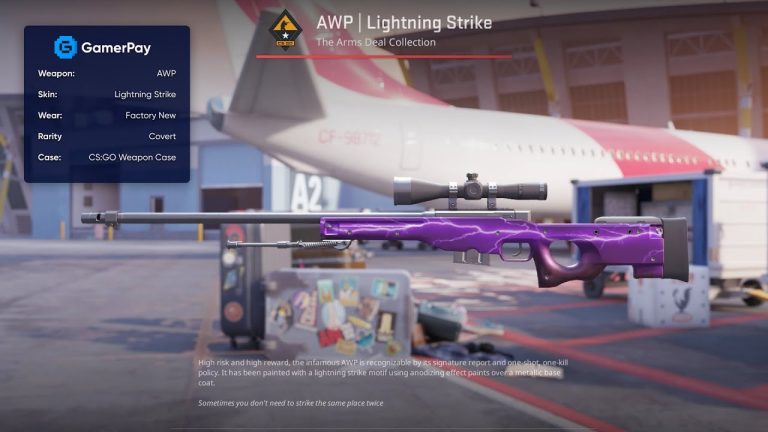
AWP Lightning Strike: one image, immediate focus
AWP Lightning Strike is one of Counter-Strike’s original Arms Deal finishes, released in August 2013. A white lightning bolt cuts across a purple body, using.
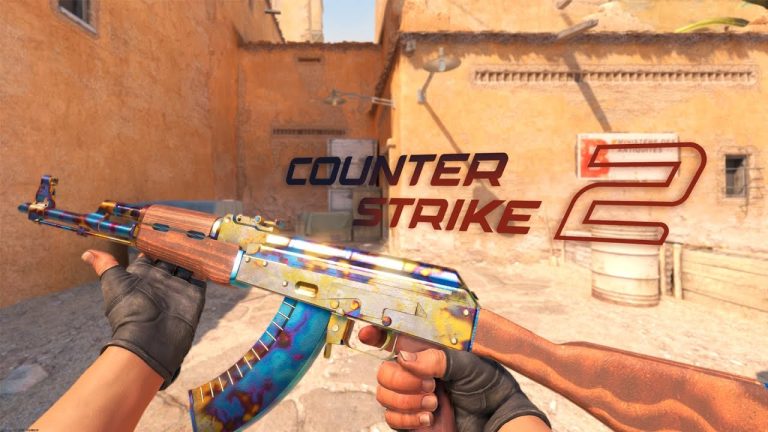
AK-47 Case Hardened: pattern as the whole design
AK-47 Case Hardened entered Counter-Strike with the Arms Deal update in August 2013. Its finish applies the irregular colors of case-hardening to the rifle,.
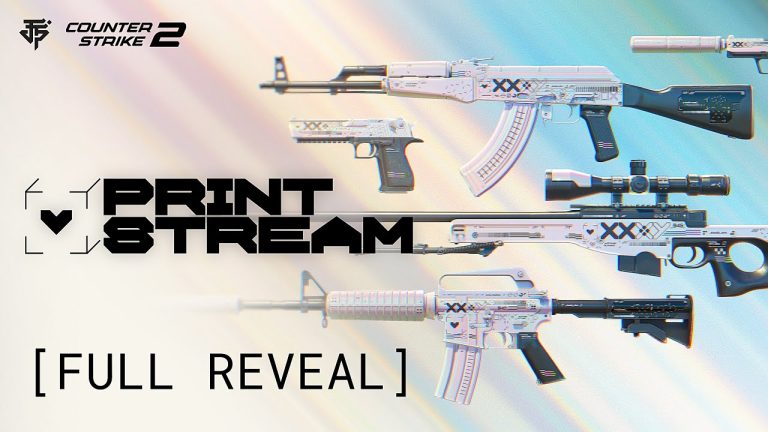
CS2 Printstream family: monochrome design rebuilt
The CS2 Printstream family began as workshop designs by JTPNZ and entered Counter-Strike through individual finishes including the Desert Eagle, M4A1-S and.
Community channel
Join the discussion
Start a thoughtful, specific conversation about this story.
Verified readers only
Continue with Google to comment.
Your Google account creates a reader-only Kaizensclan profile. Your first comment is reviewed before publication.