CS2 Cache A Execute Guide for Premier Season 5
Learn a repeatable CS2 Cache A execute for Premier Season 5, including role order, utility goals, entry spacing, post-plant positions and practice drills.

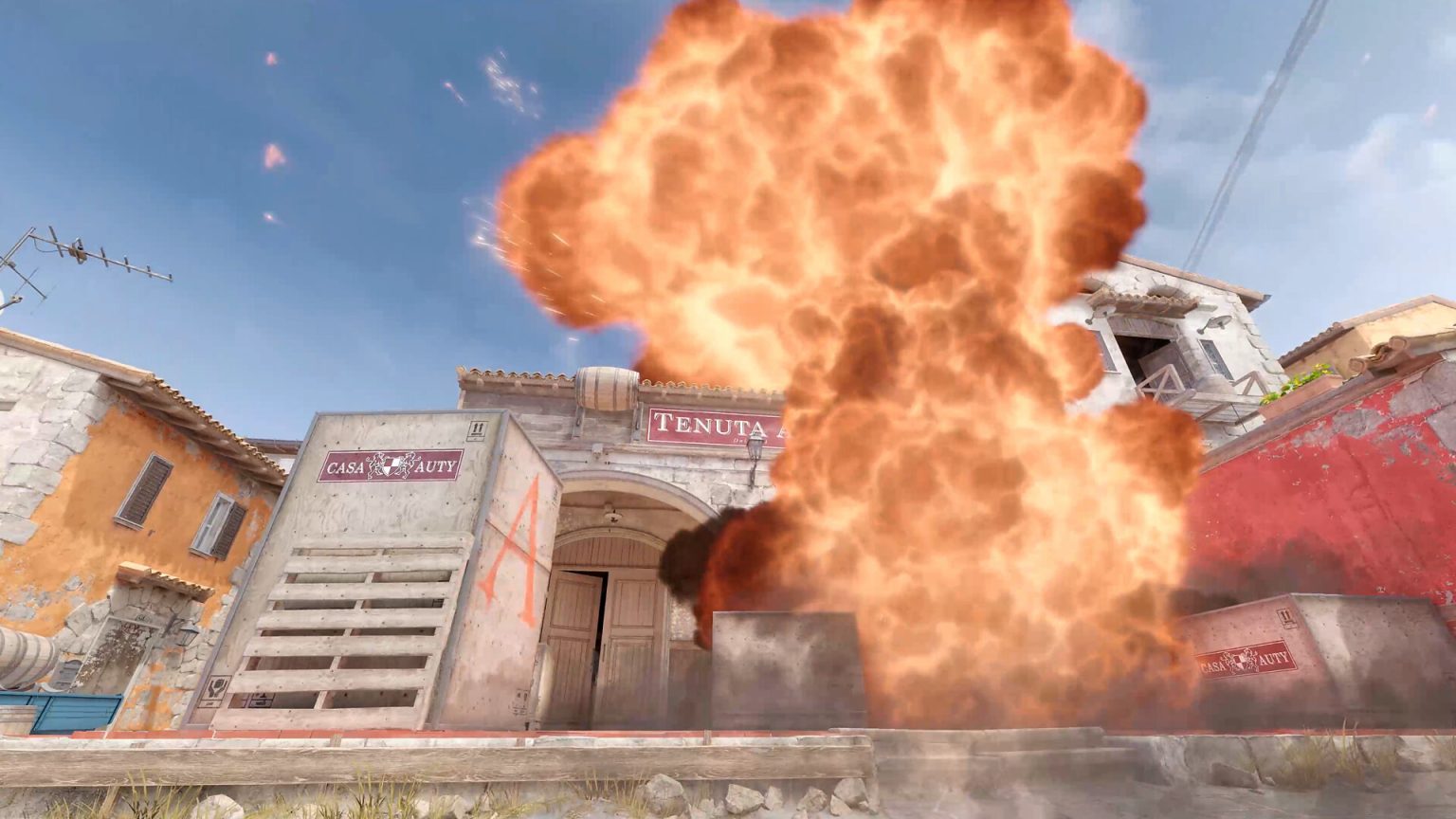
Cache returned to CS2’s Active Duty pool for Premier Season 5. This A execute is a framework, not a promise that one grenade set beats every defense: its purpose is to remove common sightlines, trade the first contact and reach a plant with enough utility left to defend it.
Before the match
Assign five jobs before the round: utility caller, first entry, second entry, squeaky pressure, and flank control. Verify every lineup on the current map build because collision and geometry can change. Buy two or three smokes, at least two flashes and a molotov when economy allows.
Step 1: Take A-main without donating a duel
Use a close flash or shoulder information before the group compresses into A-main. Clear boost and aggressive rifle positions together. The first player should not sprint so far that the second cannot trade; one body length of spacing is safer than a long gap.
Step 2: Block the longest defensive sightlines
Place smokes to isolate truck and the deep highway or connector vision relevant to your chosen path. A smoke is valuable because of the angle it removes, not because a memorized lineup landed. Call any gap immediately and adapt the entry route.
Step 3: Displace close site anchors
Use the molotov on a close position that would otherwise force the entry to turn away from multiple threats. Do not layer every grenade at once. The incendiary should expire late enough that a defender cannot simply wait and swing behind the first flash.
Step 4: Send the flash before the bodies
The utility caller counts the pop flash, then the first and second entries move on the same beat. Entry one clears the nearest high-probability angle; entry two watches the trade and the next lane. Squeaky pressure should arrive as attention turns toward A-main.
Step 5: Plant for the space you own
Do not force an exposed default plant if truck or highway remains live. Clear enough of site to protect the planter, state where the bomb is going, and keep one rifle active. A safe plant with four alive is stronger than a perfect post-plant bomb with two deaths.
Step 6: Build a crossfire, not five hiding spots
After the plant, spread across positions that can trade without being cleared by one spray. Preserve a flash or molotov for the retake. The flank player communicates timing rather than silently hunting; the site players need to know when they can stop watching the rear.
How to communicate the plan
Keep calls short enough to act on. Name the next space, the key cooldown or utility piece, and the condition that cancels the play. Teammates do not need a lecture during the round. They need timing and responsibility. If the first condition changes, say so immediately instead of silently following an obsolete plan.
Good communication separates information from guesses. Report what was seen, heard or used before offering an inference. This prevents the team from stacking several assumptions into one reckless move. After the round, discuss one decision that can be repeated, not every mechanical error at once.
Adapting when the opponent responds
No guide survives contact unchanged. Opponents can hold a different angle, preserve a defensive tool or change their route after recognizing the pattern. Keep the objective of each step even when its exact method changes. If a smoke, ward, spell or path no longer removes the intended threat, replace the tool or choose another timing rather than completing the script for its own sake.
Use the first failed attempt as information. Identify whether the plan lost to execution, missing knowledge or a correct enemy counter. Execution can be drilled; missing information can be gathered; a hard counter requires a branch. Treating all three as bad luck prevents improvement.
Practice routine
Run the execute on an empty server in three passes. First, confirm grenade landings. Second, walk every role through the route with spoken timing. Third, add two defenders who may choose different close positions. Record whether the plant happens on time and whether the second entry is close enough to trade.
Measure one result at a time: arrival timing, resources remaining, first-trade success or objective conversion. A simple written note after three repetitions is more useful than ten unreviewed attempts. Once the baseline is stable, introduce one variable so the practice still resembles a live opponent.
Common mistakes
The usual failures are entering before the smoke blooms, staring at utility while crossing a live angle, sending squeaky pressure too early, and planting before highway is controlled. Fix one timing at a time. If the execute repeatedly stalls, simplify it to two essential smokes and one flash before adding layers.
Continue with our practical guides and follow the latest stories in the Kaizensclan archive.
Final match checklist
Before committing, confirm the objective, the first responsibility and the exit condition. During the play, watch the information that could invalidate the plan. Afterward, convert the advantage or reset safely. This three-part checklist keeps a practiced sequence connected to the live match instead of turning it into automatic movement.
Editorial note
Facts and mechanics were checked against the linked primary sources before publication.
This article was reviewed on August 7, 2026.

Related stories
CS2 Nuke B-site defense guide for Premier Season 5
Build a reliable CS2 Nuke B-site defense for Premier Season 5 with ramp control, utility timing, vent information and clear rotation rules. Read our verified.
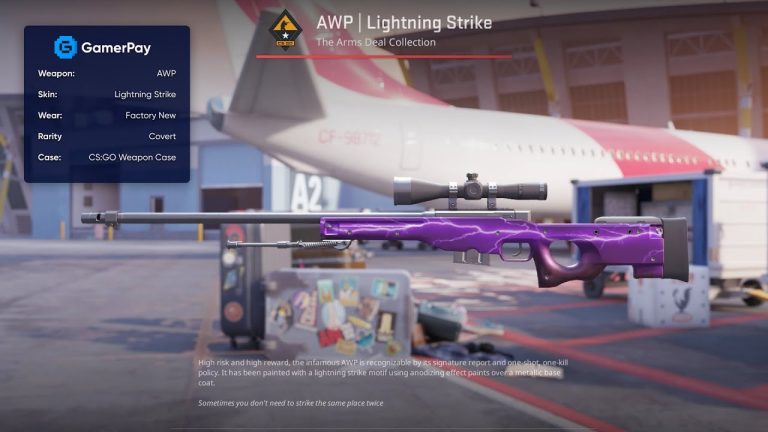
AWP Lightning Strike: one image, immediate focus
AWP Lightning Strike is one of Counter-Strike’s original Arms Deal finishes, released in August 2013. A white lightning bolt cuts across a purple body, using.
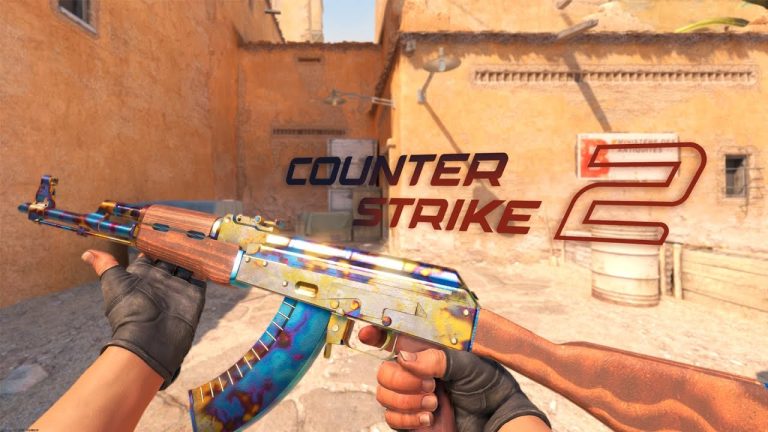
AK-47 Case Hardened: pattern as the whole design
AK-47 Case Hardened entered Counter-Strike with the Arms Deal update in August 2013. Its finish applies the irregular colors of case-hardening to the rifle,.
Community channel
Join the discussion
Start a thoughtful, specific conversation about this story.
Verified readers only
Continue with Google to comment.
Your Google account creates a reader-only Kaizensclan profile. Your first comment is reviewed before publication.