Word Cubes moves tile placement across three axes
Word Cubes moves tile placement across three axes. BTA Electronics adds three-dimensional intersections, familiar letter values, score multipliers and…

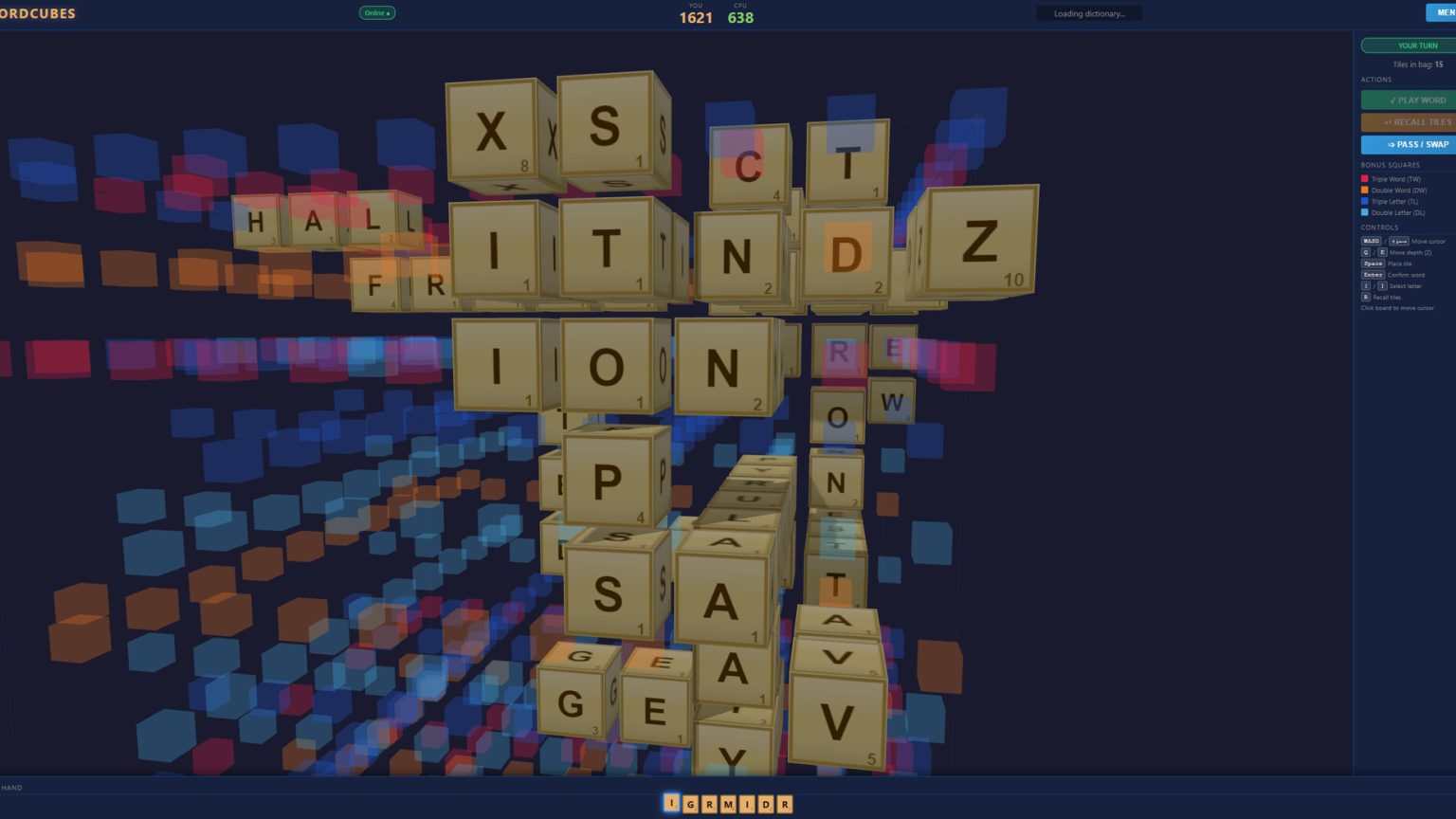
Word Cubes launched on Steam on August 22 by moving familiar rack-based word play onto a three-dimensional grid. Tiles can form words along the X, Y and Z axes, creating intersections that only become clear when the board is rotated and inspected from another face.
Word Cubes: confirmed launch features
Players draw seven tiles with familiar English letter frequencies and values. Double and triple letter or word spaces reward careful positioning, while instant validation and a pending-score display preview a move before commitment. The first word must cover the cube’s center and later plays must connect.
How the central mechanic works
Depth changes both opportunity and visibility. A tile that looks isolated from one angle may complete a word running into the board, while control of multiplier spaces can affect several axes. Swapping unwanted letters costs a turn, creating a choice between improving the rack and protecting the current scoring position.
Release and platform context
Word Cubes supports Windows, single-player matches against adjustable CPU opponents and online PvP according to Steam’s feature list. It uses English word distribution, so the official description does not promise dictionaries or tile sets for additional languages.
This report reflects the developer’s official Steam information available on August 22, 2026. Store features and Early Access plans can change after publication, so the linked page and current build remain the final references.
Source: official Steam store page. Release dates, modes and feature counts come from the developer’s listing; the analysis is our own.
More recent puzzle coverage: Sudoku Mania, Every Step Counts and DefuseOrder.
Editorial note
Facts and mechanics were checked against the linked primary sources before publication.
This article was reviewed on August 24, 2026.

Related stories
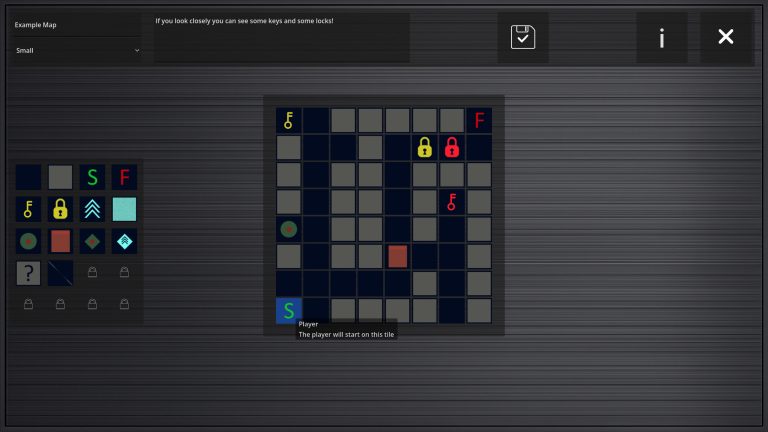
Off Grid launches its 2D-to-3D maze creator
Off Grid launches its 2D-to-3D maze creator. HeliosRK lets players unlock tiles, build custom mazes and challenge friends to finish them faster Read more.
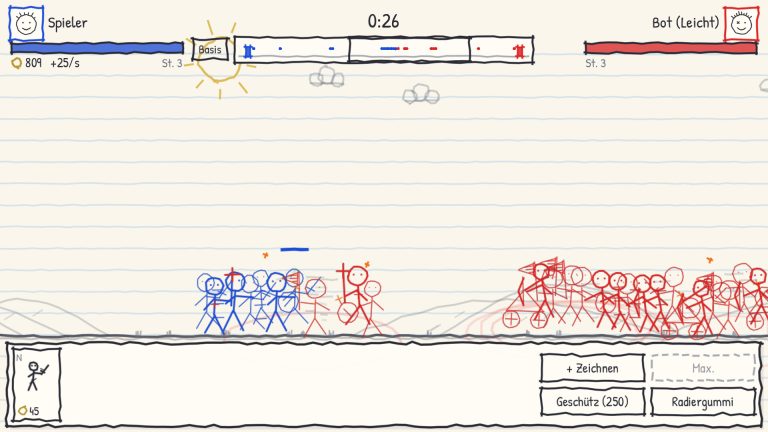
Kritzel Krieg makes every drawn pixel a combat stat
Kritzel Krieg makes every drawn pixel a combat stat. Heftrand Games links unit size to cost and strength across eight classes, base floors, special tools…
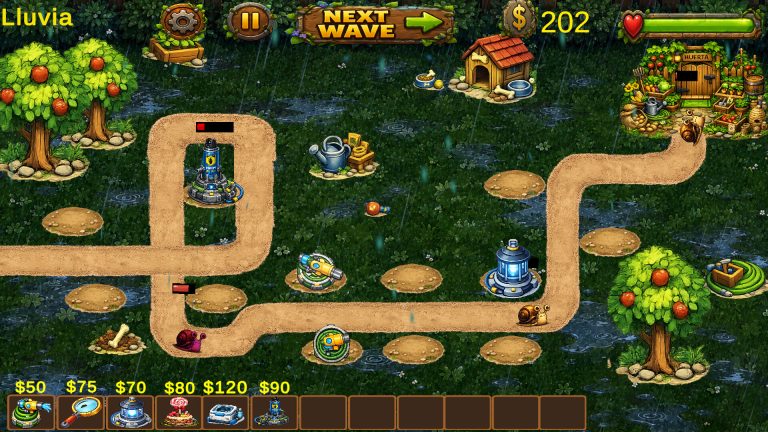
Garden Defence turns household tools into 12 turrets
Garden Defence turns household tools into 12 turrets. Team Toggenburger adds resistances, upgrade trees, bosses and dynamic weather to its backyard tower-def…
Community channel
Join the discussion
Start a thoughtful, specific conversation about this story.
Verified readers only
Continue with Google to comment.
Your Google account creates a reader-only Kaizensclan profile. Your first comment is reviewed before publication.