Dota 2 Twin Gate rotation guide for patch 7.41e
A Dota 2 Twin Gate rotation trades travel time for commitment. Patch 7.41e is the reference version. Use the gate when the destination creates a numbers.

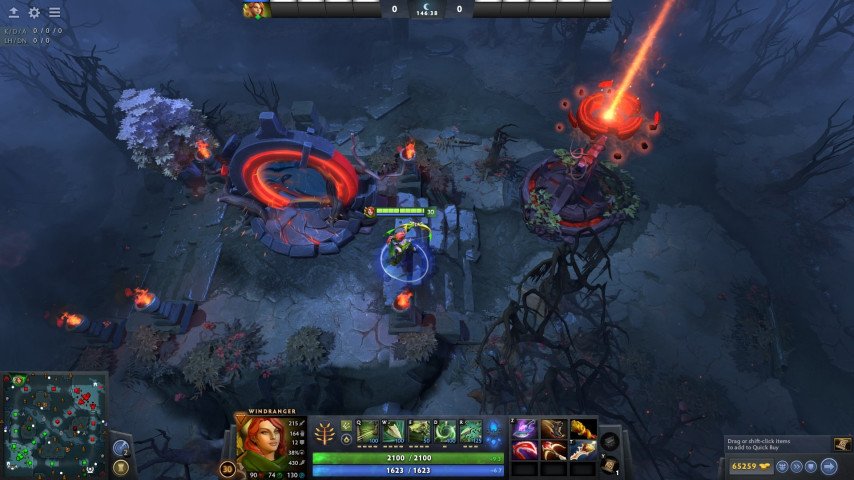
Updated for Dota 2 patch 7.41e. A Dota 2 Twin Gate rotation trades travel time for commitment. Patch 7.41e is the reference version. Use the gate when the destination creates a numbers advantage, and secure the channel plus exit before sending a fragile hero into unseen opponents.
Dota 2 Twin Gate rotation: the core plan
Name the purpose before channeling: punish an overextended side lane, reinforce a tower, reach Roshan-side terrain or escape a collapsing fight. Check enemy teleports and missing heroes. One player scouts the arrival area while the rotating core preserves a spell or item that can survive the first contact.
This is a repeatable decision framework, not a promise that every opponent or server will react identically. Test it in a low-stakes environment, record where it breaks and change one variable at a time.
Step-by-step execution
- Step 1: Read both side lanes and count visible enemies. A low-health target is not enough if three opponents are missing near the destination gate.
- Step 2: Push the departure wave when time permits so the rotation does not surrender a tower for free. Tell the destination lane not to start before the channel is committed.
- Step 3: Approach under existing vision and check nearby high ground. Supports should place or deward where it protects the gate rather than walking beyond the team alone.
- Step 4: Channel with the toughest or best-informed hero first when the exit is uncertain. Fragile damage dealers follow only after the destination is called safe.
- Step 5: On arrival, spread immediately and cut the target’s retreat. Do not stack on the gate exit where one area spell can punish every rotating hero.
- Step 6: After the play, choose the exit: tower pressure, farm, return gate or teleport. Remaining together without a next objective wastes the numbers advantage just created.
Assign one player or one clear cue to every transition. Plans often fail because two correct actions happen at different times. Short, specific communication keeps information useful without filling the channel with narration.
Common mistakes
Teams use Twin Gates because they are available, then arrive after the fight or into prepared vision. Another error is channeling all heroes simultaneously into an area spell. Side-lane farmers may also rotate without pushing, losing more gold and tower damage than the kill returns. A gate shortens distance; it does not remove the need for information.
Do not repair every failure by adding complexity. First decide whether the cause was information, timing, spacing, resources or execution. The smallest correction is easiest to remember and test on the next attempt.
Practice routine
In a lobby, time walks from common farming positions to the gate, the channel and travel from the exit to lane. Repeat with wards showing likely ambush hills. In replays, pause before each use and count visible enemies, available teleports and the wave lost at departure. Compare the planned advantage with the actual arrival timing.
- Record the first moment the plan became uncertain.
- Check whether the required resource was available.
- Review spacing before blaming mechanics.
- Keep successful parts when changing the failed step.
A replay or saved clip is more reliable than memory after a tense attempt. Review the decision before the outcome: a poor choice can succeed, and a sound one can still lose. Repeat the same setup until timing is stable before adding a harder variation.
Communication and role ownership
State who channels first, the target and the spell that begins the fight. The destination player reports enemy position and whether the exit is watched. Count down the channel completion so the lane does not engage too early. If the target retreats, cancel clearly; silence can send the second hero into a failed play.
Adaptation checklist
Against strong area control, send one durable scout and spread on arrival. If the enemy responds with teleports, decide whether to disengage through the gate or force the tower before reinforcements land. When behind, gates can move defenders between threatened lanes, but only with vision. Against split push, preserve a return teleport instead of committing every mobility option.
If an update changes geometry, economy, cooldowns or damage, retest the affected step rather than assuming the whole guide is obsolete. The version label above defines the boundary of this advice.
Final routine
Review the rotation as an exchange: wave, time, cooldowns and map position spent versus kills, tower pressure or objective control gained. Identify whether failure began with missing information, a late channel or poor exit spacing. Correct that earliest decision before demanding faster reactions from the team.
Keep one learning goal per session. A narrow objective makes improvement visible and prevents a long checklist from competing with the match itself. Stop the drill once concentration falls, then return with the same measurable goal.
Sources: primary release notes or official records. Factual claims were checked against these records; interpretation is our own.
Continue with the Kaizensclan archive, our practical guides and the latest game reviews.
Editorial note
Facts and mechanics were checked against the linked primary sources before publication.
This article was reviewed on August 11, 2026.

Related stories
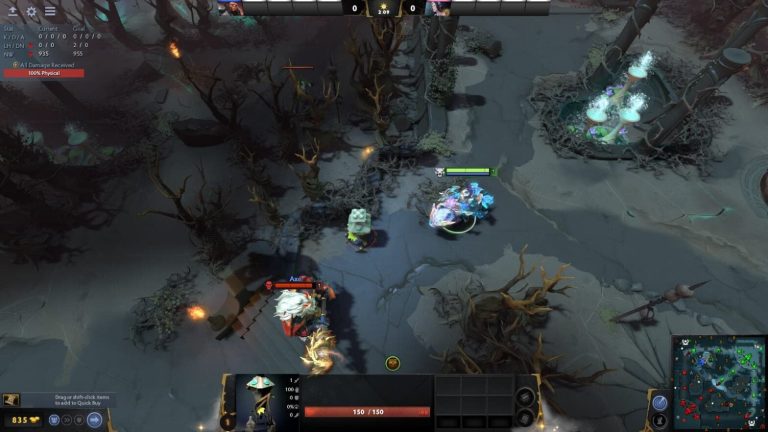
Dota 2 Watcher control guide for patch 7.41e
Dota 2 Watcher control is useful when it protects the next movement, not when a support activates every structure on cooldown. Patch 7.41e is the reference.
Dota 2 courier control guide for patch 7.41e
Good Dota 2 courier control protects a timing rather than chasing perfect convenience. Patch 7.41e is the reference version. Each player owns a courier, but.
Dota 2 neutral item choices guide for patch 7.41e
Patch 7.41e is the boundary for this guide. Neutral item selection should answer the next fight’s real constraint: survival, reach, mana, farming tempo, dispe.
Community channel
Join the discussion
Start a thoughtful, specific conversation about this story.
Verified readers only
Continue with Google to comment.
Your Google account creates a reader-only Kaizensclan profile. Your first comment is reviewed before publication.