Minecraft mace combat guide for Java 1.21.9
Minecraft mace combat turns vertical movement into damage. Java Edition 1.21.9 is the reference version. A smash attack requires striking while falling far.

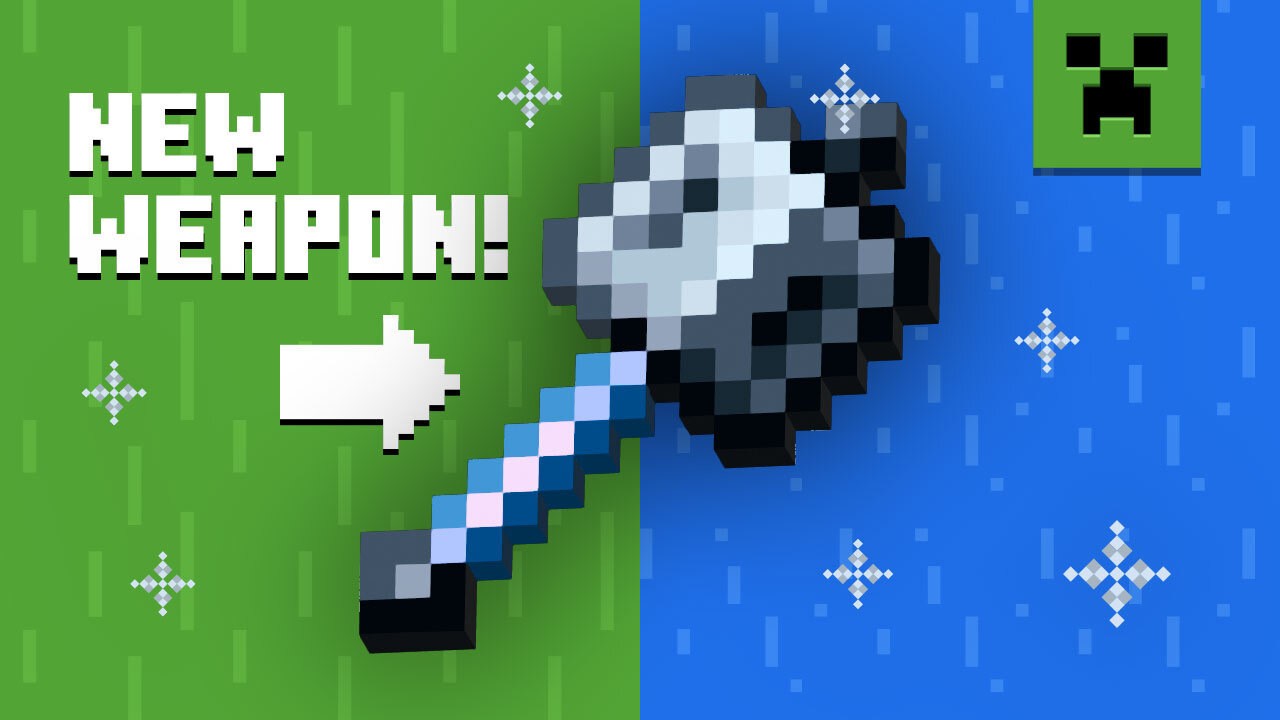
Updated for Minecraft Java Edition 1.21.9. Minecraft mace combat turns vertical movement into damage. Java Edition 1.21.9 is the reference version. A smash attack requires striking while falling far enough, so the practical skill is creating a safe height, keeping the target under the crosshair and preserving a landing plan when the hit misses.
Minecraft mace combat: the core plan
Carry the mace as a specialized weapon rather than replacing every sword or axe. Build height with terrain, a Wind Charge, scaffolding or another controlled route, then confirm that the target cannot simply step under cover. Keep food, armor and an escape option ready. The same fall that powers the attack becomes dangerous if no valid target is struck.
This is a repeatable decision framework, not a promise that every opponent or server will react identically. Test it in a low-stakes environment, record where it breaks and change one variable at a time.
Step-by-step execution
- Step 1: Practice ordinary mace swings on flat ground first so its slower rhythm is familiar. Do not begin with maximum height or valuable equipment.
- Step 2: Create a short, repeatable drop and place a large stationary target below. Walk off rather than jumping until the timing of the downward crosshair feels stable.
- Step 3: Attack during the fall and observe whether the smash connects. Increase height gradually; accuracy matters more than theoretical damage that never lands.
- Step 4: Add lateral movement with a Wind Charge only after basic drops are reliable. Aim the launch away from ceilings, ledges and lava that can change the landing point.
- Step 5: Choose enchantments for the job. Density strengthens smash damage, Breach reduces the value of armor, and Wind Burst can launch the user after a successful smash for another aerial sequence. Check current compatibility before committing rare books.
- Step 6: In real combat, prepare a miss route. Water, safe terrain, Feather Falling and limited drop height reduce the cost of a target moving at the last moment.
Assign one player or one clear cue to every transition. Plans often fail because two correct actions happen at different times. Short, specific communication keeps information useful without filling the channel with narration.
Common mistakes
Players chase extreme height before learning alignment, then miss a small target and take fatal fall damage. Low ceilings interrupt Wind Charge movement, while shields, knockback and uneven terrain change the expected landing. Another mistake is carrying only a mace: cramped tunnels and ordinary groups often favor a faster, more predictable weapon.
Do not repair every failure by adding complexity. First decide whether the cause was information, timing, spacing, resources or execution. The smallest correction is easiest to remember and test on the next attempt.
Practice routine
Construct a training tower over water with platforms at several heights. Land ten strikes from the lowest platform before moving up, then repeat against an animal-sized moving target in a safe enclosure. Add Wind Charges last. Record the launch point and landing point so improvement is measured by consistency rather than one enormous critical hit.
- Record the first moment the plan became uncertain.
- Check whether the required resource was available.
- Review spacing before blaming mechanics.
- Keep successful parts when changing the failed step.
A replay or saved clip is more reliable than memory after a tense attempt. Review the decision before the outcome: a poor choice can succeed, and a sound one can still lose. Repeat the same setup until timing is stable before adding a harder variation.
Communication and role ownership
In cooperative play, announce the target and drop direction before launching. Teammates should avoid knocking that mob away during the fall. If another player supplies Wind Charges or draws a boss, agree on a countdown. In PvP, short calls about shield state and escape routes are safer than narrating every jump.
Adaptation checklist
Use lower drops indoors and abandon the smash when the ceiling or terrain makes landing unpredictable. Against armored opponents, Breach can matter more than maximizing raw height. Density favors reliable vertical setups, while Wind Burst supports chained movement after success. Against many small mobs, switch weapons instead of forcing a single-target tool into the wrong fight.
If an update changes geometry, economy, cooldowns or damage, retest the affected step rather than assuming the whole guide is obsolete. The version label above defines the boundary of this advice.
Final routine
Evaluate three results separately: launch control, target tracking and landing safety. Fix the earliest failure before adding more height. A lower smash that connects and leaves an exit is more useful than a spectacular miss. Retest after version changes because enchantments, Wind Charges and combat behavior can be adjusted.
Keep one learning goal per session. A narrow objective makes improvement visible and prevents a long checklist from competing with the match itself. Stop the drill once concentration falls, then return with the same measurable goal.
Sources: primary release notes or official records. Factual claims were checked against these records; interpretation is our own.
Continue with the Kaizensclan archive, our practical guides and the latest game reviews.
Editorial note
Facts and mechanics were checked against the linked primary sources before publication.
This article was reviewed on August 11, 2026.

Related stories
Minecraft Trial Chambers guide for Java 1.21.9
This Minecraft Trial Chambers guide is updated for Java Edition 1.21.9. The structures are combat dungeons made from copper and tuff, with Trial Spawners,.
Minecraft Copper Golem sorting guide for Java 1.21.9
Java Edition 1.21.9 adds the Copper Golem as a simple sorting assistant. Build it by placing a carved pumpkin or jack o’lantern on a copper block. The new.
Minecraft Tricky Trials opens the Trial Chambers
Mojang released Minecraft Tricky Trials on June 13, 2024 for Java and Bedrock editions. The 1.21 update centres on Trial Chambers, underground structures buil.
Community channel
Join the discussion
Start a thoughtful, specific conversation about this story.
Verified readers only
Continue with Google to comment.
Your Google account creates a reader-only Kaizensclan profile. Your first comment is reviewed before publication.