Dota 2 Watcher control guide for patch 7.41e
Dota 2 Watcher control is useful when it protects the next movement, not when a support activates every structure on cooldown. Patch 7.41e is the reference.

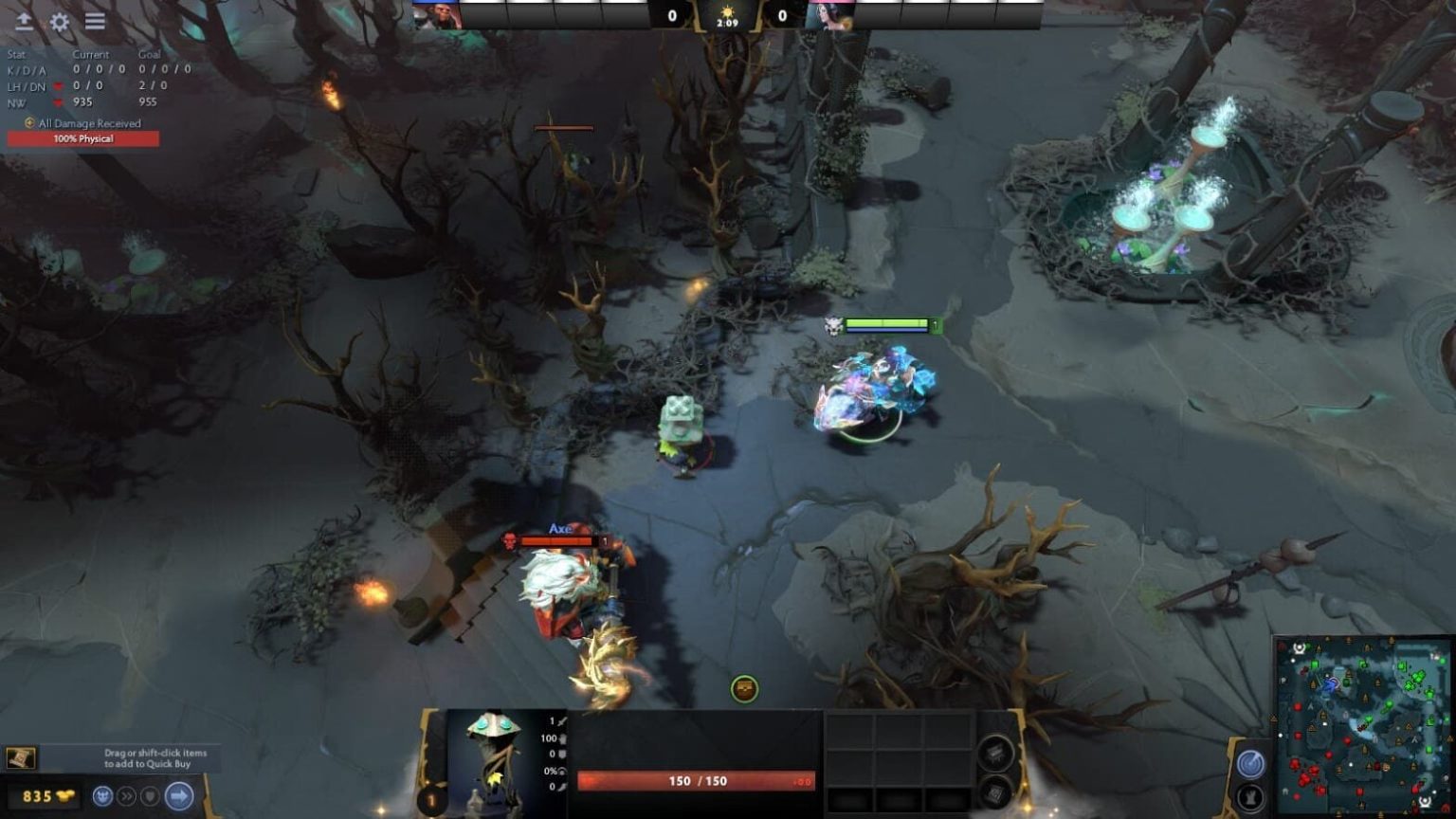
Updated for Dota 2 patch 7.41e. Dota 2 Watcher control is useful when it protects the next movement, not when a support activates every structure on cooldown. Patch 7.41e is the reference version. Treat each Watcher as a temporary vision node whose value depends on objective timing, enemy approach routes and whether the area can be defended.
Dota 2 Watcher control: the core plan
Before walking to a Watcher, name the event it supports: Tormentor, Roshan, a gate route, rune control or a smoke entry. Check the minimap for missing cores and carry a sentry if enemy wards are likely. One hero channels while teammates hold the dangerous angles; five players standing on the structure only advertise the same vulnerable position.
This is a repeatable decision framework, not a promise that every opponent or server will react identically. Test it in a low-stakes environment, record where it breaks and change one variable at a time.
Step-by-step execution
- Step 1: Identify the next objective and the Watcher that sees a meaningful approach. Ignore distant structures that do not influence the team’s next minute.
- Step 2: Move under existing vision or behind the strongest nearby hero. Deward likely cliffs and high grounds before beginning a channel in enemy territory.
- Step 3: Assign one player to activate while allies face outward. Cancel if an enemy spell or smoke break makes the channel unsafe; the structure is not worth a death.
- Step 4: After activation, place ordinary wards where they complement rather than duplicate the fixed view. A Watcher cannot see every high-ground route or reveal invisible units by itself.
- Step 5: Use the information to change positioning. If the Watcher sees nobody during an objective window, consider the unobserved flank instead of assuming the map is empty.
- Step 6: When the team leaves, decide whether the Watcher still protects a retreat or future farm. Do not return alone merely to refresh vision that no teammate can use.
Assign one player or one clear cue to every transition. Plans often fail because two correct actions happen at different times. Short, specific communication keeps information useful without filling the channel with narration.
Common mistakes
The most common error is channeling in darkness while allies continue farming. Teams also overvalue the visible circle and fail to ward the route just outside it. Repeatedly contesting a Watcher after the objective has moved wastes time and reveals respawns. Vision is information, not territory that must be defended at any cost.
Do not repair every failure by adding complexity. First decide whether the cause was information, timing, spacing, resources or execution. The smallest correction is easiest to remember and test on the next attempt.
Practice routine
Open a lobby and visit every Watcher from both sides of the map. Note which ramps and gates remain outside its view. In replays, stop thirty seconds before each major objective and ask whether activating a nearby Watcher changed a decision. Record channels interrupted by enemies and identify which missing ward or teammate would have made them safe.
- Record the first moment the plan became uncertain.
- Check whether the required resource was available.
- Review spacing before blaming mechanics.
- Keep successful parts when changing the failed step.
A replay or saved clip is more reliable than memory after a tense attempt. Review the decision before the outcome: a poor choice can succeed, and a sound one can still lose. Repeat the same setup until timing is stable before adding a harder variation.
Communication and role ownership
Say which Watcher, who channels and what the vision supports. Use a countdown if the team plans to smoke immediately after activation. When an enemy appears, name direction and hero rather than shouting only that the Watcher saw someone. If the structure is unavailable or unsafe, announce the alternate ward and approach route.
Adaptation checklist
Against a lineup with pickoff and global movement, require more teammates before channeling. When behind, use defensive Watchers to protect farm exits rather than contesting the enemy side. When ahead, pair the structure with sentries and a retreat path. If the opponent repeatedly baits channels, approach under smoke or stop treating that location as the first step.
If an update changes geometry, economy, cooldowns or damage, retest the affected step rather than assuming the whole guide is obsolete. The version label above defines the boundary of this advice.
Final routine
Review whether each activation preceded a concrete movement and whether the team used the information it gained. Delete habits that create vision after the objective is already over. A successful Watcher sequence ends with safer positioning, a deward, a controlled objective or a detected rotation—not merely a lit icon.
Keep one learning goal per session. A narrow objective makes improvement visible and prevents a long checklist from competing with the match itself. Stop the drill once concentration falls, then return with the same measurable goal.
Sources: primary release notes or official records. Factual claims were checked against these records; interpretation is our own.
Continue with the Kaizensclan archive, our practical guides and the latest game reviews.
Editorial note
Facts and mechanics were checked against the linked primary sources before publication.
This article was reviewed on August 11, 2026.

Related stories
Dota 2 courier control guide for patch 7.41e
Good Dota 2 courier control protects a timing rather than chasing perfect convenience. Patch 7.41e is the reference version. Each player owns a courier, but.
Dota 2 neutral item choices guide for patch 7.41e
Patch 7.41e is the boundary for this guide. Neutral item selection should answer the next fight’s real constraint: survival, reach, mana, farming tempo, dispe.
Dota 2 Kez carry guide for patch 7.41e
Play Kez carry in Dota 2 patch 7.41e with disciplined stance changes, farming routes, target selection, defensive timing and Roshan calls. Read our verified.
Community channel
Join the discussion
Start a thoughtful, specific conversation about this story.
Verified readers only
Continue with Google to comment.
Your Google account creates a reader-only Kaizensclan profile. Your first comment is reviewed before publication.