Demon Eater: Shadow Fiend’s soul-counting Arcana
Demon Eater rebuilds Shadow Fiend with a new demonic model, voice, spell effects and a Triple Raze counter tied to his signature combo. Read the verified.

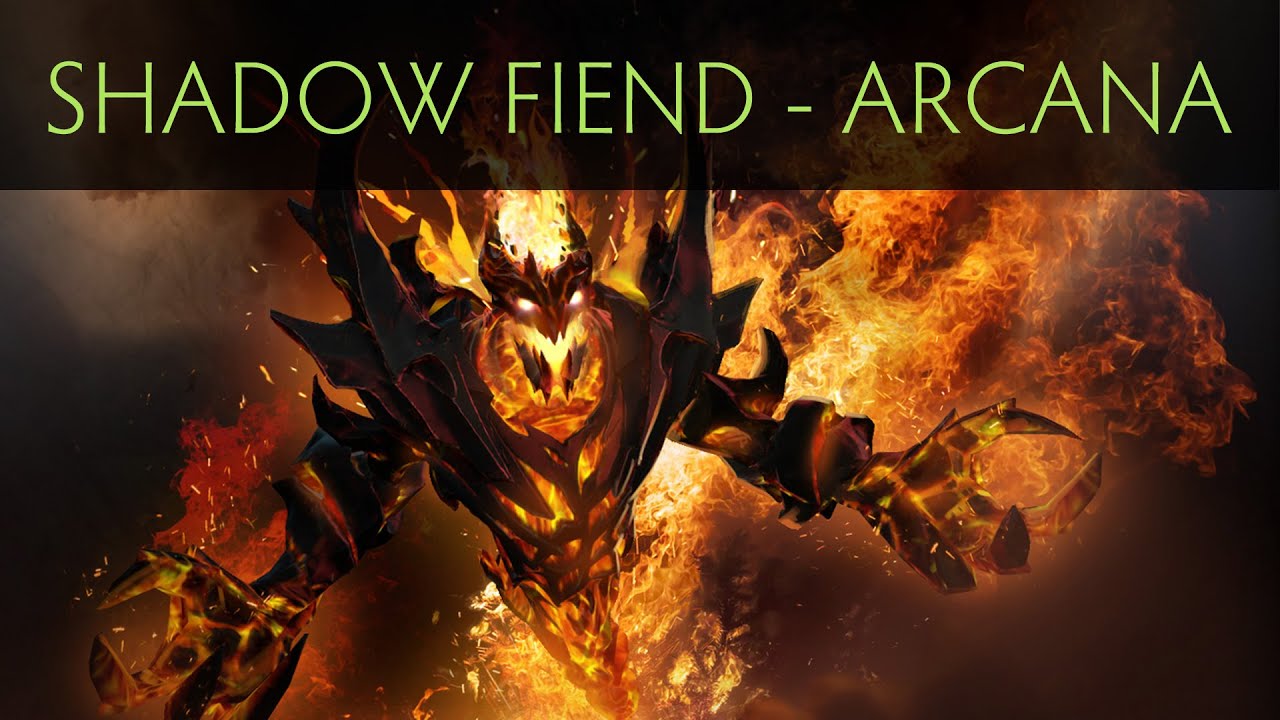
Demon Eater gives Shadow Fiend a body capable of containing the souls he collects. Valve’s 2014 Arcana changes the model, voice, animation and ability effects while using a dedicated Triple Raze counter to celebrate the hero’s most recognizable execution test.
Demon Eater Arcana: visual language
The redesigned demon has pronounced horns, an exposed burning center and limbs pulled into a more aggressive silhouette. Red-black energy moves through the torso as if the model is a damaged vessel. The pedestal and portrait treatment carry the same theme outside the lane.
Animation and audio
New animations make attacks and spell casts feel less like gestures from a floating shadow and more like violent releases. Shadowraze receives distinct impact treatment across its three ranges, and Requiem of Souls expands the Arcana’s lines across the fight. Voice and sound deepen the sense of a specific demon rather than a generic monster.
Readability during play
The three Shadowraze distances remain the mechanical challenge; the cosmetic does not move them. Stronger impacts can help spectators recognize successful casts, while Requiem still broadcasts its radial release. The Triple Raze counter records execution but grants no damage or gameplay bonus.
Production context
Valve introduced Demon Eater through the Rekindling Soul update in September 2014. The official presentation lists a new model, animations, voice, ability icons, visual effects and sounds. That breadth helped define the modern expectation that an Arcana should touch many layers of a hero.
Why the design lasts
Demon Eater lasts because its counter is attached to expertise rather than passive ownership. A player can admire the model immediately, but the signature presentation points back to landing all three razes. Cosmetic identity and mechanical aspiration share the same center.
This article evaluates cosmetic craft rather than market value. Store rotation, availability and prices can change, and no cosmetic provides a mechanical advantage.
Sources: primary release information or official records. Dates, scores and named features were checked against the linked source; evaluative passages are our own.
Continue with the Kaizensclan archive and our practical gaming guides.
Editorial note
Facts and mechanics were checked against the linked primary sources before publication.
- https://www.dota2.com/rekindlingsoul/
- DotaCinema / Valve
This article was reviewed on August 10, 2026.

Related stories
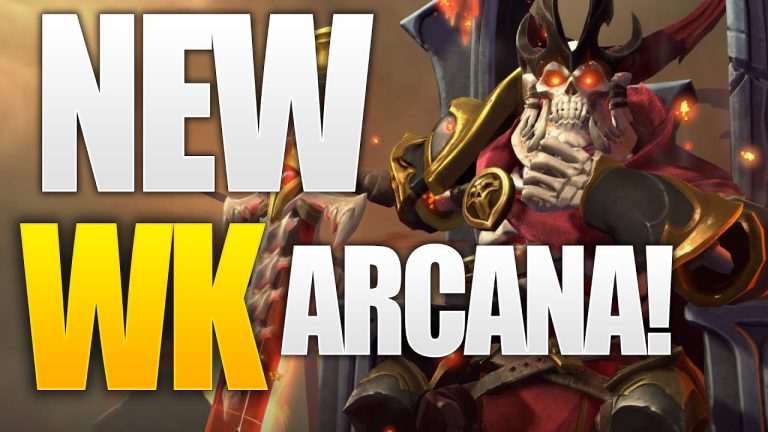
The One True King: Wraith King’s Arcana restores a throne
Valve released The One True King Wraith King Arcana through the 2020 Battle Pass at level 375. The cosmetic restores a skeletal king identity and rebuilds the.
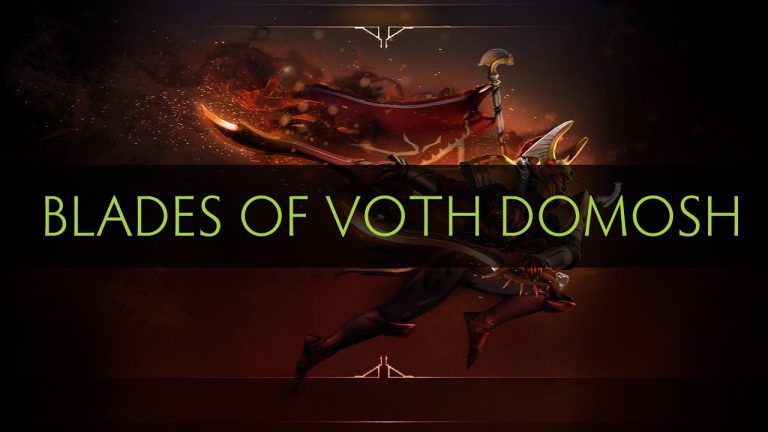
Blades of Voth Domosh: Legion Commander’s Duel Arcana
Blades of Voth Domosh changes Legion Commander from a single-sword officer into a dual-wielding battlefield champion. Released with Wraith-Night in December.
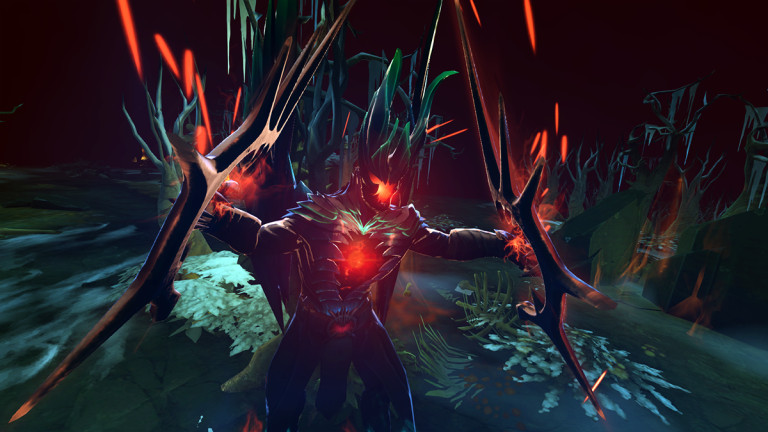
Fractal Horns of Inner Abysm: Terrorblade’s prismatic Arcana
Fractal Horns of Inner Abysm makes Terrorblade’s reflection theme personal. Released on February 6, 2014, the head-slot Arcana rebuilds his demonic guide.
Community channel
Join the discussion
Start a thoughtful, specific conversation about this story.
Verified readers only
Continue with Google to comment.
Your Google account creates a reader-only Kaizensclan profile. Your first comment is reviewed before publication.