Fractal Horns of Inner Abysm: Terrorblade’s prismatic Arcana
Fractal Horns of Inner Abysm makes Terrorblade’s reflection theme personal. Released on February 6, 2014, the head-slot Arcana rebuilds his demonic guide.

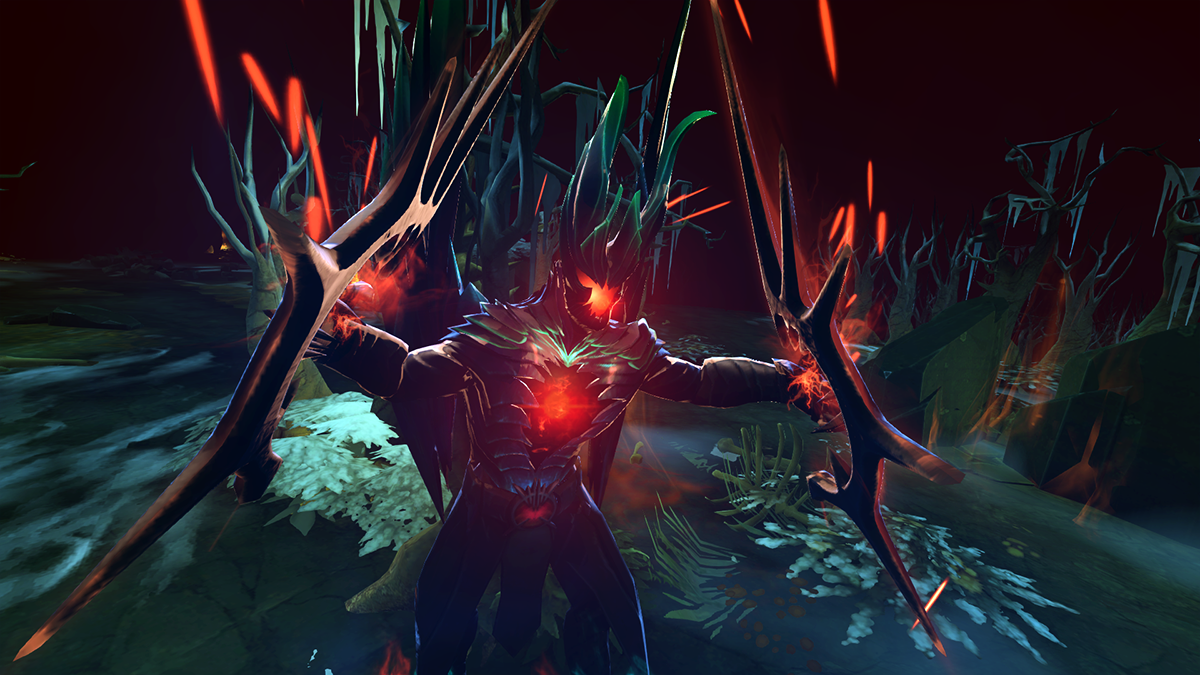
Fractal Horns of Inner Abysm makes Terrorblade’s reflection theme personal. Released on February 6, 2014, the head-slot Arcana rebuilds his demonic transformation and lets a Prismatic Gem colour the model and effects, turning one item into a broad family of appearances.
Fractal Horns of Inner Abysm: visual language
Long fractured horns frame a sharper demonic head, while glowing cracks carry colour across the body. During Metamorphosis the larger silhouette becomes the principal display, extending wings and energy without losing Terrorblade’s recognizable ranged form. The geometry suggests a body split by power rather than ordinary armour.
Animation and audio
The Arcana supplies custom Metamorphosis treatment and modified visual effects. Prismatic colour affects the glow, giving the same animations a different temperature. It does not replace Terrorblade’s attack timing or ability rules; spectacle remains attached to established actions.
Readability during play
Base and transformed forms still communicate whether Terrorblade is in Metamorphosis, the competitive information opponents need most. Custom colour can be vivid, but range, duration and projectile behaviour remain defined by the live ability. The cosmetic does not make illusions stronger or harder to control mechanically.
Production context
Valve released the Arcana early in Dota 2’s cosmetic history. Its Prismatic Gem socket became especially notable because gem colours could create combinations beyond a small fixed style menu. Availability and gem trading have changed over time, so this design analysis avoids treating a market price as permanent.
Why the design lasts
Few items match a hero’s concept as closely. Terrorblade is a demon who manipulates reflections and alternate selves; a player-selected colour makes every transformation feel like another possible version. The Arcana remains flexible without needing a modern progression track.
This article evaluates cosmetic craft and documented history rather than market value. Availability and prices can change, and no cosmetic provides a mechanical advantage.
Sources: primary release notes or official records. Factual claims were checked against these records; interpretation is our own.
Continue with the Kaizensclan archive, our practical guides and the latest game reviews.
Editorial note
Facts and mechanics were checked against the linked primary sources before publication.
- https://www.dotaweb.com/en/store/item/fractal-horns-of-inner-abysm
- https://www.gamespot.com/articles/dota-2-6th-february-patch-content-analysis/1100-6437056/
This article was reviewed on August 10, 2026.

Related stories
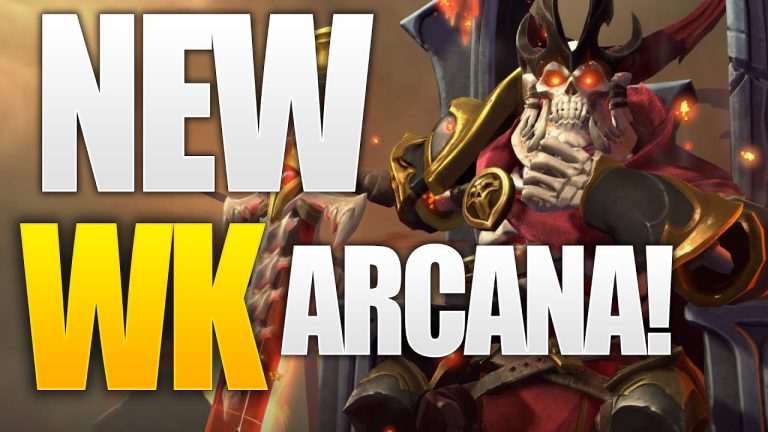
The One True King: Wraith King’s Arcana restores a throne
Valve released The One True King Wraith King Arcana through the 2020 Battle Pass at level 375. The cosmetic restores a skeletal king identity and rebuilds the.
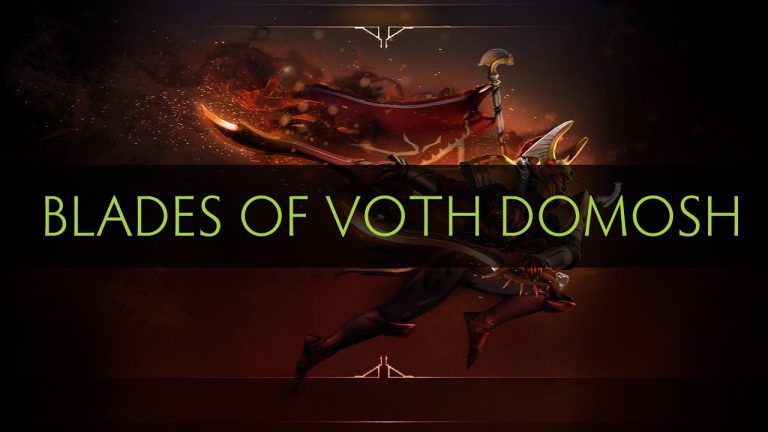
Blades of Voth Domosh: Legion Commander’s Duel Arcana
Blades of Voth Domosh changes Legion Commander from a single-sword officer into a dual-wielding battlefield champion. Released with Wraith-Night in December.
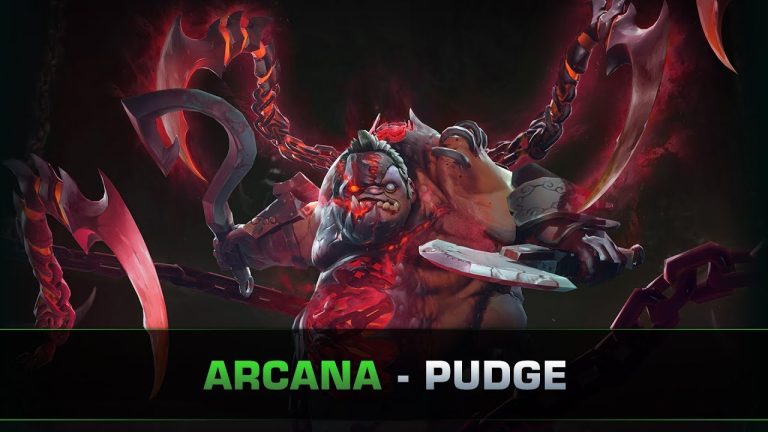
Feast of Abscession: Pudge’s Arcana tracks rival wins
Feast of Abscession rebuilds Pudge with new chains, voice work, hook-streak effects and a Rubick-themed style unlocked through rival wins. Read our verified.
Community channel
Join the discussion
Start a thoughtful, specific conversation about this story.
Verified readers only
Continue with Google to comment.
Your Google account creates a reader-only Kaizensclan profile. Your first comment is reviewed before publication.