Dota 2 Largo support guide for patch 7.41e
Play Largo support in Dota 2 patch 7.41e with lane resource control, ability sequencing, rotation timing and teamfight positioning. Read the verified context.

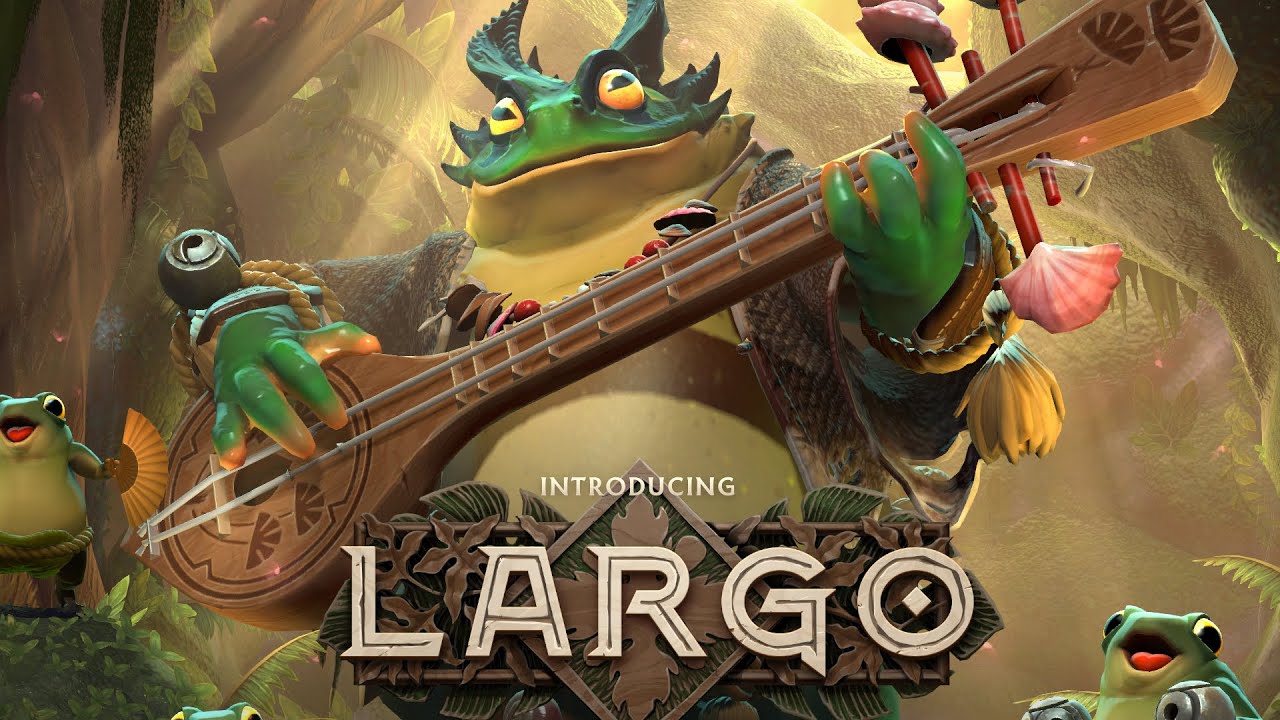
Updated for Dota 2 patch 7.41e. Largo’s support value comes from using his kit before a fight becomes chaotic. Patch 7.41e is the version boundary for this guide; numerical values may change later, but lane discipline, vision timing and spell sequencing remain the foundation.
Dota 2 Largo support guide: the core plan
Enter each lane exchange with a purpose: secure a ranged creep, protect the core or punish an enemy cooldown. Preserve enough mana for the spell that prevents a death. After the lane, move with the teammate who can convert Largo’s control and support effects into an objective.
This is a repeatable decision framework, not a promise that every opponent or server will react identically. Test it in a low-stakes environment, record where it breaks and change one variable at a time.
Step-by-step execution
- Step 1: Buy regeneration that lets both lane partners trade. Place initial vision to reveal the approach most likely to interrupt the first waves.
- Step 2: Use attacks from an offset angle so one enemy spell cannot hit Largo and the core. Pull only when the resulting lane position will not expose the carry.
- Step 3: Treat the ranged creep as a timing. Coordinate damage or a spell to secure it while threatening the enemy hero who steps forward.
- Step 4: At the first power spike, communicate the exact spell combination and its range. Let the damage dealer move before revealing the attempt.
- Step 5: Before rotating, fix the lane and carry a teleport. A support move that costs the core two waves needs to create more than temporary pressure elsewhere.
- Step 6: In midgame fights, remain far enough behind the initiator to cast a second round. Do not occupy the same area as the hero expected to absorb the first disable.
- Step 7: Place vision for the next objective after a won fight. Use smoke from darkness and name the first target that the lineup can actually reach.
- Step 8: Choose items for the enemy’s method of killing allies. A save, dispel, force movement or survivability tool is more valuable than a fashionable purchase with no problem to solve.
Assign one player or one clear cue to every transition. Plans often fail because two correct actions happen at different times. Short, specific communication keeps information useful without filling the channel with narration.
Common mistakes
Typical mistakes include pulling a safe lane into danger, spending all mana for harmless poke, showing on a wave before a smoke and standing beside the initiating core. Another is buying an expensive item while skipping small components that would enable two earlier fights.
Do not repair every failure by adding complexity. First decide whether the cause was information, timing, spacing, resources or execution. The smallest correction is easiest to remember and test on the next attempt.
Practice routine
In a demo lobby, learn every cast range and projectile delay without camera pressure. In two unranked games, set one target: arrive for the first rune or objective with full spell resources. Review whether each death happened before or after the second cast opportunity.
- Record the first moment the plan became uncertain.
- Check whether the required resource was available.
- Review spacing before blaming mechanics.
- Keep successful parts when changing the failed step.
A replay or saved clip is more reliable than memory after a tense attempt. Review the decision before the outcome: a poor choice can succeed, and a sound one can still lose.
Communication and role ownership
Tell the lane partner when pulling, contesting or leaving. In fights, call the spell that starts the sequence and the cooldown that ends it. When buying a save item, tell the intended recipient so that player does not spend a second escape at the same moment.
Every required job needs one owner and one backup condition. Name the information that triggers action instead of asking a teammate to guess from tone. When several tools solve the same problem, spend the cheapest reliable resource first.
Adaptation checklist
Against burst, play for vision and a fast defensive cast. Against long fights, protect mana and positioning for repeated use. If the team lacks initiation, stand nearer the hero who can start; if it already has initiation, use Largo as the second layer and counter-engage.
If an update changes geometry, economy, cooldowns or damage, retest the affected step rather than assuming the whole guide is obsolete. The version label above defines the boundary of this advice.
Final routine
Support Largo is measured by the next action the team can take. Stabilize the lane, arrive with resources, cast from separated positions and turn every won exchange into vision or an objective.
Keep one learning goal per session. A narrow objective makes improvement visible and prevents a long checklist from competing with the match itself.
Sources: primary release information or official records. Dates, scores and named features were checked against the linked source; evaluative passages are our own.
Continue with the Kaizensclan archive and our practical gaming guides.
Editorial note
Facts and mechanics were checked against the linked primary sources before publication.
- https://www.dota2.com/patches/7.41e
- Dota 2 community showcase
This article was reviewed on August 10, 2026.

Related stories
Dota 2 Watcher control guide for patch 7.41e
Dota 2 Watcher control is useful when it protects the next movement, not when a support activates every structure on cooldown. Patch 7.41e is the reference.
Dota 2 courier control guide for patch 7.41e
Good Dota 2 courier control protects a timing rather than chasing perfect convenience. Patch 7.41e is the reference version. Each player owns a courier, but.
Dota 2 neutral item choices guide for patch 7.41e
Patch 7.41e is the boundary for this guide. Neutral item selection should answer the next fight’s real constraint: survival, reach, mana, farming tempo, dispe.
Community channel
Join the discussion
Start a thoughtful, specific conversation about this story.
Verified readers only
Continue with Google to comment.
Your Google account creates a reader-only Kaizensclan profile. Your first comment is reviewed before publication.