CS2 Train yard control guide for Premier Season 5
This CS2 Train yard control guide covers early utility, T-main spacing, Ivy pressure, ladder timing and safe A-site progress for Premier Season 5. Read the.

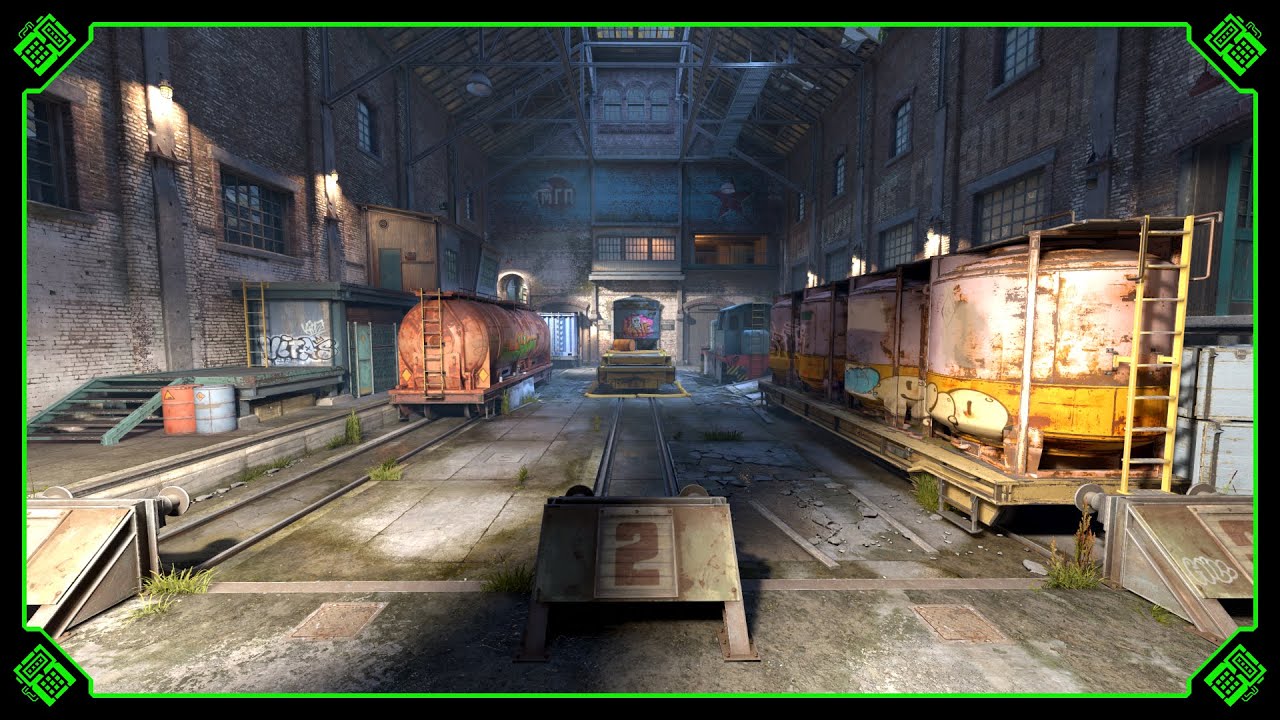
Updated for CS2 Premier Season 5. This guide is for teams that reach Train’s outside yard but struggle to convert space into a plant. It builds a repeatable T-side sequence around T-main, Ivy and ladder pressure while keeping enough utility for the final site decision.
CS2 Train yard control: the plan
Deny the first AWP sightline, establish information on both ends of the yard and advance behind flashes rather than dry peeking every train gap. The goal is controllable space, not an immediate highlight opening.
This guide is a repeatable decision framework, not a promise that every opponent will react the same way. Run it first in a low-stakes environment, record where the plan breaks, and change one variable at a time.
Step-by-step execution
- Step 1: Spawn players with purpose and give the best early smoke carrier a direct route instead of blocking the T-main exit.
- Step 2: Smoke the longest AWP line before the first rifle crosses into exposed yard space.
- Step 3: Flash above the trains for the entry pair and state whether the flash is for a peek or only for movement.
- Step 4: Hold the close train gaps after taking the first lane; a hidden defender can punish the entire group from behind.
- Step 5: Use Ivy presence to stop the defence from turning every player toward T-main.
- Step 6: Keep ladder pressure quiet until yard contact begins, then use it to split attention rather than arriving alone.
- Step 7: Clear one lane at a time and trade shoulder-to-shoulder where the train geometry allows it.
- Step 8: Choose the bomb route only after identifying which plant zone is protected from the remaining AWPer.
- Step 9: Use a molotov or HE grenade to remove a known anchor instead of saving all damage utility for the post-plant.
- Step 10: After the plant, separate players across trains, Ivy and a late flank watch so one retake smoke cannot isolate everyone.
Assign one player or one clear cue to each transition. A plan often fails because two correct actions happen at different times. Short, specific communication keeps information useful without filling the channel with narration.
Common mistakes
Teams often mistake crossing the first lane for full yard control. Other errors include a silent Ivy player who never creates pressure, ladder contact before support and a bomb carrier exposed to several train gaps.
Do not repair every mistake by adding more complexity. First identify whether the failure came from information, timing, spacing, resources or execution. The smallest correction is easier to remember and easier to test on the next attempt.
How to practise the routine
Begin without opposition and confirm movement, ranges and timing. Add one defender or one realistic source of pressure only after the sequence is consistent. Finally, practise an interrupted version so the group knows when to continue, pause or cancel.
- Record the first moment the plan became uncertain.
- Check whether the required resource was available.
- Review spacing before blaming individual mechanics.
- Keep the successful parts when changing the failed step.
Use objective evidence where possible: a replay, combat log, demo or saved clip is more reliable than memory after a tense round. Review the decision before the outcome, because a poor choice can succeed and a sound choice can still lose.
Communication and role ownership
Every required job needs one owner and one backup condition. Name the information that triggers the action instead of asking a teammate to guess from tone. When several players can solve the same problem, decide whose resource is cheapest before the match reaches that moment.
Useful communication is short because it changes a decision. State location, timing and intention, then leave room for the next call. Repeating old information can hide the one update that requires the plan to stop.
Adaptation checklist
Against aggressive defenders, hold the first push and convert the utility advantage later. Against passive setups, take deeper lanes methodically and deny rotation information. If the outside smokes fade before the team is arranged, reset rather than improvising five separate peeks.
If an update changes geometry, economy, cooldowns or damage, retest the affected step rather than assuming the entire guide is obsolete. The version label at the top is the boundary of this advice.
Final routine
The caller should name the controlled lane, the uncleared lane and the intended plant protection. Those three facts are more valuable than repeating “go A” while teammates see different versions of the yard.
Keep one learning goal per session. A narrow objective makes improvement visible and prevents a long checklist from competing with the match itself.
Source: official information and published records.
Continue with our practical guides and browse more reporting in the Kaizensclan archive.
Repeat the complete sequence until every player can state the next decision and its cancellation condition without prompting. Retest the routine whenever the relevant game version changes.
Editorial note
Facts and mechanics were checked against the linked primary sources before publication.
This article was reviewed on August 7, 2026.

Related stories
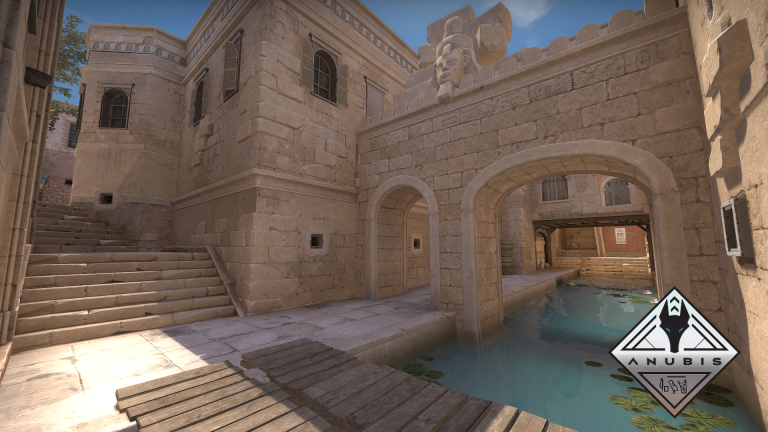
CS2 Anubis CT setup: control canals without overrotating
A CS2 Anubis CT setup needs information from mid and canals without abandoning B at the first sound cue. Start with two defenders near B, one controlling mid.
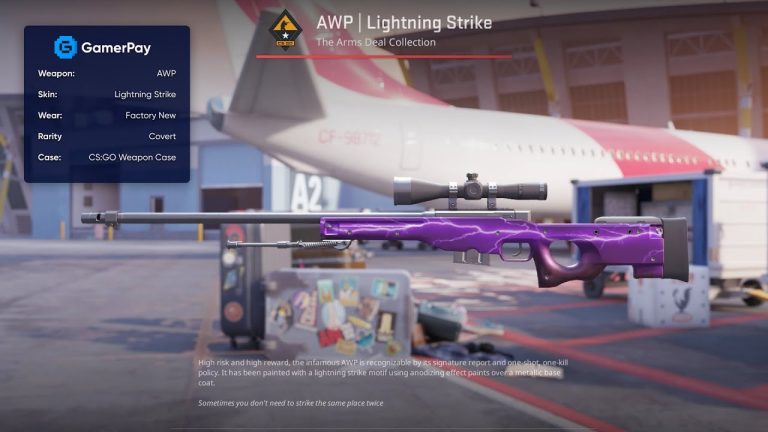
AWP Lightning Strike: one image, immediate focus
AWP Lightning Strike is one of Counter-Strike’s original Arms Deal finishes, released in August 2013. A white lightning bolt cuts across a purple body, using.
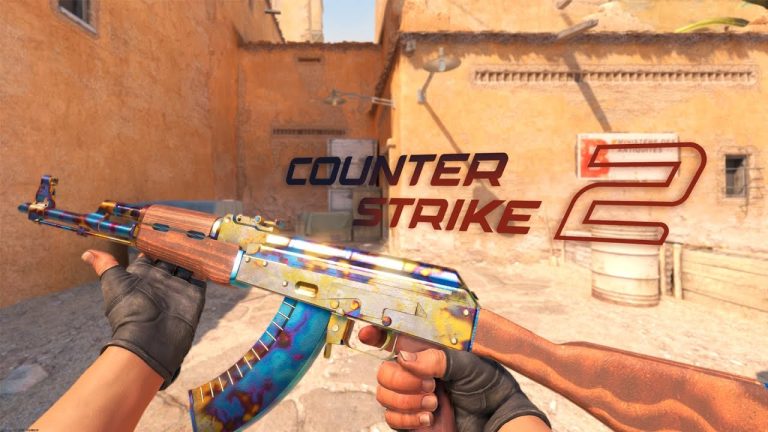
AK-47 Case Hardened: pattern as the whole design
AK-47 Case Hardened entered Counter-Strike with the Arms Deal update in August 2013. Its finish applies the irregular colors of case-hardening to the rifle,.
Community channel
Join the discussion
Start a thoughtful, specific conversation about this story.
Verified readers only
Continue with Google to comment.
Your Google account creates a reader-only Kaizensclan profile. Your first comment is reviewed before publication.