Dota 2 High-Ground Siege Guide for Patch 7.41e
Learn how to siege Dota 2 high ground in Patch 7.41e by managing lanes, Aegis timing, vision, buybacks, building damage and safe resets. Read the verified.

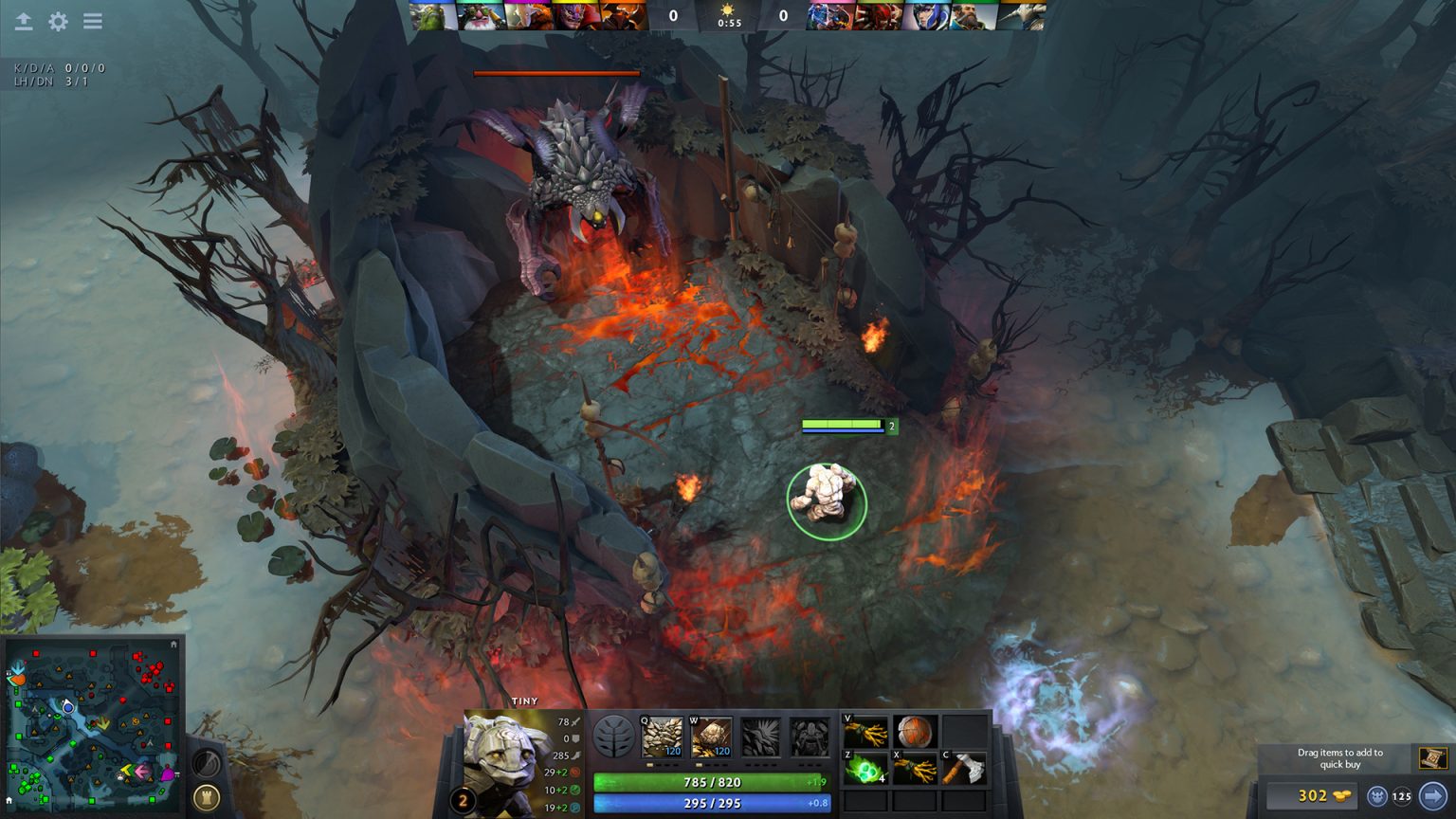
Dota 2 high ground gives the defending team vision, reinforcement and buyback advantages. A team ahead in net worth can still lose by converting that lead into one blind ramp fight. The safer plan treats a siege as repeated map control and building damage rather than a single mandatory breach.
Preparation and win condition
Before showing on a ramp, push at least two lanes, identify the defender who can start the fight and record important buybacks or ultimates. Assign the durable building hitter, the save hero, the vision tool and the player who protects side lanes. Aegis improves the margin for error but does not make the first life disposable.
Step-by-step plan
- Prepare simultaneous lane pressure. Move waves so defenders cannot clear one lane and immediately bring all five heroes to another. Summons or a mobile core can threaten the side lane, but the split player must have information and an exit. The objective is to divide attention without donating a kill before the siege begins.
- Place vision around the approach. Use wards, summons and spells to see the ramp edges and likely initiation path. Sentries should protect the area where invisible heroes or wards can expose the backline. Do not spend every vision resource at the same entrance; defenders can smoke around a predictable front.
- Hit buildings with one protected hero. The core with range, durability or Aegis takes the shortest safe step required to damage the tower. The other heroes remain spread against area control and ready to counter-initiate. If everyone walks into the base to add attacks, the defenders receive a five-hero target instead of one manageable threat.
- Force resources before forcing barracks. A glyph, major ultimate, buyback or consumed Aegis can be a successful siege cycle even if no barracks fall. Back away while the forced resource is unavailable, refresh lanes and return. Treating anything short of a full lane as failure encourages the overextension defenders need.
- Reset before exits close. Name the disengage condition in advance: Aegis expired, key save used, side lane at a tower or a missing enemy reappeared behind the team. Retreat along placed vision, collect nearby safe farm and deny the defender an immediate objective. A clean reset preserves the lead and creates the next attempt.
How to communicate it
The caller should name the building hitter and the spell that ends the attempt. “Hit tower until glyph, disengage if our save is used” gives every role a boundary. Track buybacks as confirmed or unknown rather than assuming a recently dead core cannot return.
Keep calls short enough to act on. State the next space, the resource that makes it safe and the condition that cancels the play. Separate confirmed information from a guess: “two seen” is useful, while “everyone is here” may cause the team to abandon the rest of the map without evidence.
Adaptation rules
If defenders have superior wave clear, strengthen the side-lane threat or use an objective window instead of waiting on one ramp. Against long-range initiation, spread deeper and show fewer heroes. If the team lacks safe building damage, prioritise pickoffs, Roshan control and map starvation; some drafts should win the base through attrition rather than direct siege.
A guide is a decision framework, not a script that must finish after its assumptions fail. If the opponent preserves a key cooldown, changes a defensive angle or reaches the objective first, return to the purpose of the step. Replace the tool, delay the timing or choose another route instead of completing familiar inputs into a known counter.
Practice routine
Review three lost sieges and pause immediately before the first death. Check lane positions, available vision, Aegis time and whether the building hitter had an assigned save. In a lobby, rehearse the approach and retreat path around one enemy ward. The team should be able to leave without crossing through a single narrow cluster.
Record one measurable result at a time: arrival timing, resources remaining, first-trade success or objective conversion. Three reviewed repetitions create a better baseline than ten attempts performed without checking why they worked. Once the baseline is stable, introduce one enemy response so practice still resembles a match.
Common mistakes
The largest errors are sieging one pushed lane while two allied lanes retreat, grouping five heroes into one initiation, using Aegis to justify a deep chase and ignoring buybacks. Another common failure is staying after glyph and major defensive spells have already removed the current damage window.
Final checklist
- Confirm the objective and the first responsibility.
- Check the resource or information that makes the play safe.
- Name the condition that cancels the plan.
- Convert the advantage or reset instead of lingering.
This guide is written for Dota 2 Patch 7.41e. Later patches can alter geometry, cooldowns, economy or objectives, so confirm the live version before copying exact timings.
Source: official release information.
Read more in our practical guides and browse the Kaizensclan article archive.
Editorial note
Facts and mechanics were checked against the linked primary sources before publication.
This article was reviewed on August 7, 2026.

Related stories
Dota 2 Watcher control guide for patch 7.41e
Dota 2 Watcher control is useful when it protects the next movement, not when a support activates every structure on cooldown. Patch 7.41e is the reference.
Dota 2 Twin Gate rotation guide for patch 7.41e
A Dota 2 Twin Gate rotation trades travel time for commitment. Patch 7.41e is the reference version. Use the gate when the destination creates a numbers.
Dota 2 courier control guide for patch 7.41e
Good Dota 2 courier control protects a timing rather than chasing perfect convenience. Patch 7.41e is the reference version. Each player owns a courier, but.
Community channel
Join the discussion
Start a thoughtful, specific conversation about this story.
Verified readers only
Continue with Google to comment.
Your Google account creates a reader-only Kaizensclan profile. Your first comment is reviewed before publication.