CS2 Ancient T-side utility plan for Premier Season 5
This CS2 Ancient T-side utility guide for Premier Season 5 explains opening grenades, lane control, site finishes, contingency calls and practice drills.

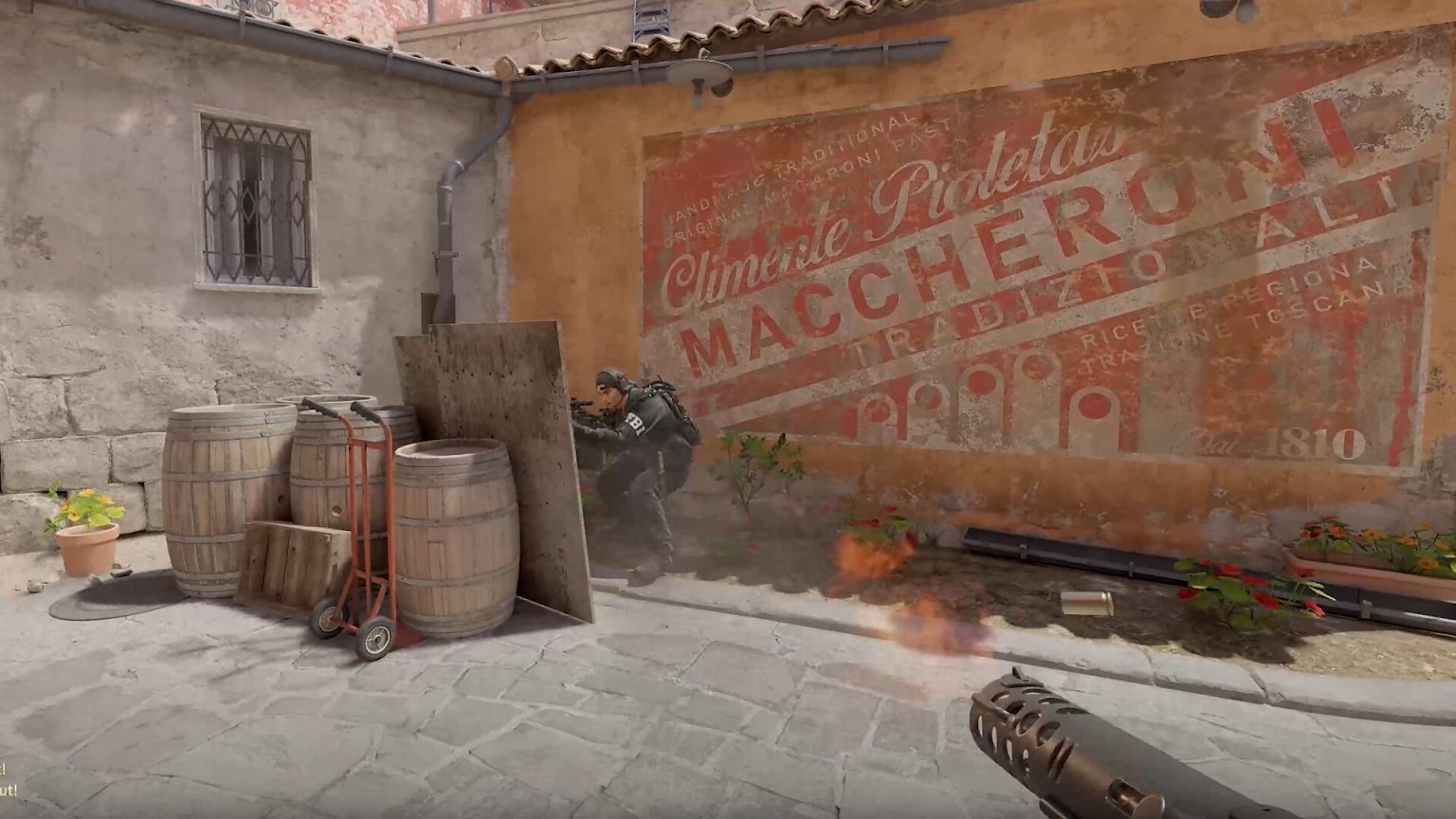
Updated for CS2 Premier Season 5 and the July 15, 2026 build.
This CS2 Ancient T-side utility plan is for Premier teams that know basic grenade mechanics but waste equipment without a shared objective. The result is a repeatable round structure for mid, lane, cave and both site entries.
Lineups should always be rechecked after map updates. Valve changes clipping and geometry independently, so use a practice server before relying on any pixel-specific throw in a match.
1. Divide utility by purpose
- Access utility: creates the first safe step into mid, lane or cave.
- Conversion utility: isolates defenders during the site hit.
- Post-plant utility: delays a retake or protects the defuser angle.
Buying five smokes does not help if all five serve the same moment. Assign each grenade to a phase before the freeze time ends.
2. Protect the first mid contest
Mid pressure is valuable because it connects to both sites and complicates CT rotations. Use a smoke to deny the longest early sightline and a flash that pops ahead of the first rifler rather than behind the push.
The second player must be ready to trade. A utility-assisted duel still fails if the entry dies outside a teammate’s line of fire.
3. Clear close positions with molotovs
Ancient contains corners where a defender can survive the first smoke and punish the entry. Use a molotov for the position that blocks progress, not whichever lineup is easiest to remember.
Confirm that the fire lands completely. A gap gives the defender confidence while the attackers falsely assume the angle is clear.
4. Pair cave pressure with a lane decision
B attacks work when cave and lane pressure arrive close enough to divide defender attention. If cave enters ten seconds early, the defenders can fight one lane and reset.
- Establish the first cave control.
- Hold the counter-flash for the second contact.
- Signal when lane is ready.
- Commit both lanes on one countdown.
5. Keep one smoke for the rotation
Early map control can consume every smoke before the team reaches a bombsite. Preserve at least one for a CT rotation lane or the most dangerous retake angle.
If that smoke was required earlier, change the finish. A late execute with no vision denial should use a faster split, a saved flash or a contact timing rather than pretending the original plan still exists.
6. Flash for a named teammate
Say who the flash serves and which angle it affects. “Flashing site for blue” is actionable; “flashing” forces everyone to guess. The entry confirms readiness before the throw.
Pop flashes should blind the defender without forcing the teammate to turn for longer than necessary. Rehearse the timing from the actual spawn and route, not from a stationary lineup video.
7. Plant for the space you own
The safest default plant is not automatically the best. Plant for the positions the team still controls and the weapons that survived the entry.
An AWPer wants a long confirmation angle; two rifles may prefer crossfires closer to the site. Do not expose the carrier for an ideal plant when the defence still owns the angle.
8. Review grenade value after the round
Label each important grenade as useful, late, duplicated or unused. Damage is only one measure. A smoke that forces a defender out of a winning angle can be the most valuable grenade without recording a point.
Valve’s official update archive is the source for map changes. Our report on jumpthrow consistency explains why important lineups still need verification, and our Cache rotation guide covers the defender’s side of timing.
Practice note: Rehearse one mid opening, one B split and one A finish with full buy limits. Reset whenever a grenade arrives after the player it was meant to protect.
A three-round Ancient utility drill
Start with an empty server and require every player to throw one piece from the same spawn-independent setup. Then add defenders who may push only after the first grenade lands. The attackers must preserve one smoke and one flash for the site finish.
In the final repetition, remove one planned grenade without warning. The caller chooses whether to replace it, change the route or delay the hit. This teaches the team to treat utility as a budget tied to space rather than a script that collapses after one missed lineup.
Record the landing time of each smoke and the moment the first attacker can safely cross. A lineup that lands correctly but arrives too late is not part of a working execute.
Finish by running the sequence from poor spawns. The team should know which grenade can be reassigned and which opening must be abandoned. That adjustment prevents a useful plan from becoming dependent on one perfect round start. Record the replacement call and its timing for later replay review.
Editorial note
Facts and mechanics were checked against the linked primary sources before publication.
This article was reviewed on August 6, 2026.

Related stories
Path of Exile 2 Sorceress leveling guide for 0.5.4e
Path of Exile 2 Sorceress leveling is smoother when the character solves one damage loop before collecting every elemental skill. Patch 0.5.4e is the referenc.

Minecraft mace combat guide for Java 1.21.9
Minecraft mace combat turns vertical movement into damage. Java Edition 1.21.9 is the reference version. A smash attack requires striking while falling far.
Dota 2 Watcher control guide for patch 7.41e
Dota 2 Watcher control is useful when it protects the next movement, not when a support activates every structure on cooldown. Patch 7.41e is the reference.
Community channel
Join the discussion
Start a thoughtful, specific conversation about this story.
Verified readers only
Continue with Google to comment.
Your Google account creates a reader-only Kaizensclan profile. Your first comment is reviewed before publication.