Tournament formats decide which kind of consistency wins
No bracket removes variance; each one chooses where uncertainty is allowed.

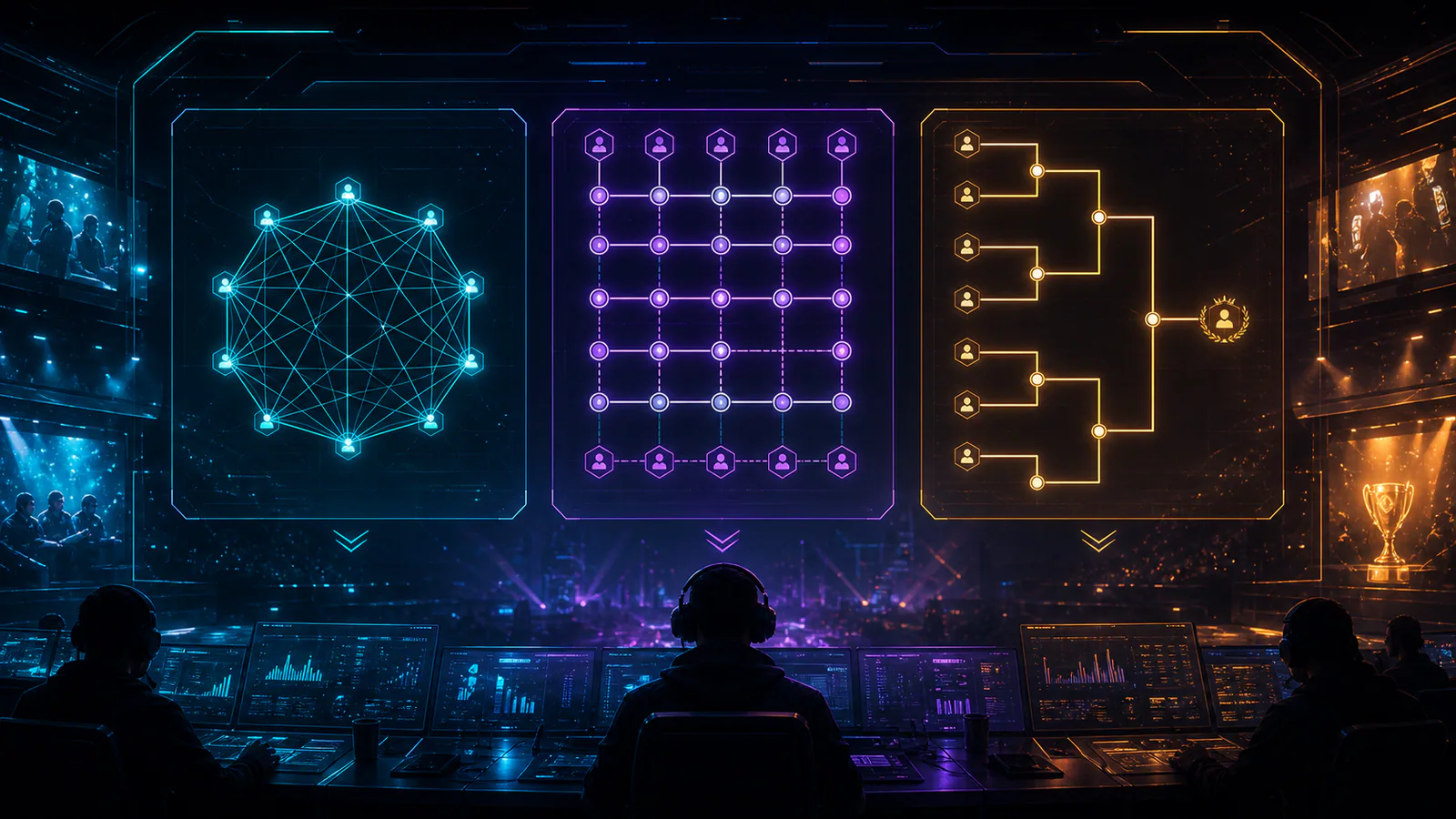
Tournament formats are competitive systems, not neutral containers. Round robin rewards sustained performance across a broad field. Swiss structures compress that comparison through matched records. Elimination brackets create immediate consequence and stronger narrative pressure. Each format decides which kind of consistency receives the clearest path.
Separate qualification from entertainment
A format designed to identify the strongest teams may require more matches than a broadcast can comfortably support. A format designed for decisive weekend viewing may expose strong teams to early variance. Organisers should state which problem each stage solves instead of presenting one bracket as universally fair.
Make opponent paths auditable
Seeding, rematch rules and tiebreakers determine how similar records become different journeys. Publish those rules before play and show enough data for teams to reproduce the result. Hidden complexity feels arbitrary even when the mathematics is consistent.
Our map veto analysis shows how format context also changes series planning and preparation load.
Measure the schedule as part of the format
Rest time, side selection and the order of decisive matches can amplify bracket advantages. Review competitive integrity across the complete schedule, not only the bracket diagram.
A useful format communicates its compromise. Fans can understand why a stage exists, teams can prepare for its demands and organisers can evaluate whether the intended form of consistency actually won.
Editorial note
Original editorial analysis of common tournament structures.
- Kaizensclan Editorial Policy — editorial-policy.html
This article was reviewed on August 3, 2026.

Related stories
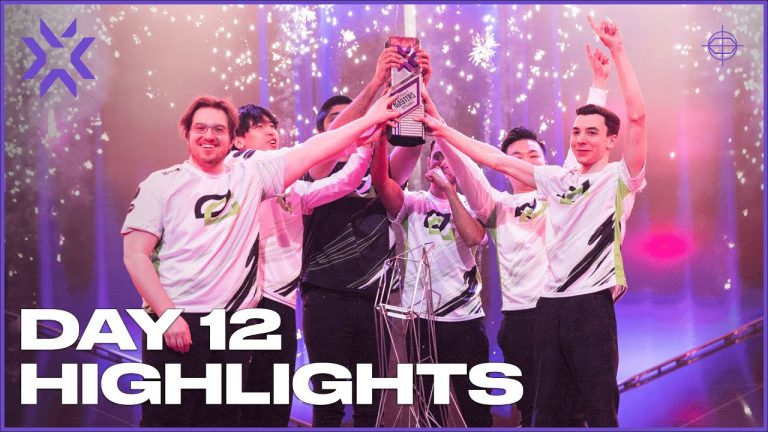
OpTic vs LOUD: Masters Reykjavík 2022 final
The OpTic vs LOUD Masters Reykjavík 2022 final ended 3–0 on April 24. OpTic won two overtime maps before closing the series and became the first North America.
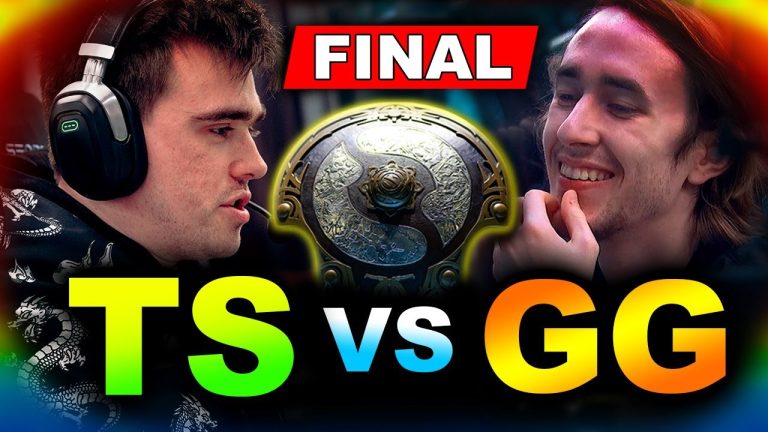
Team Spirit vs Gaimin Gladiators: TI 2023 final
The Team Spirit vs Gaimin Gladiators TI 2023 final ended 3–0 in Seattle on October 29. Spirit completed an unbeaten upper-bracket run and became the second.
Samsung White vs Star Horn Royal Club: Worlds 2014 final
The Samsung White vs Star Horn Worlds 2014 final ended 3–1 at Seoul World Cup Stadium on October 19 local time. Samsung White completed a dominant tournament.
Community channel
Join the discussion
Start a thoughtful, specific conversation about this story.
Verified readers only
Continue with Google to comment.
Your Google account creates a reader-only Kaizensclan profile. Your first comment is reviewed before publication.