LoL flex picks: information is the real draft advantage
A flexible champion matters only if every destination remains credible.

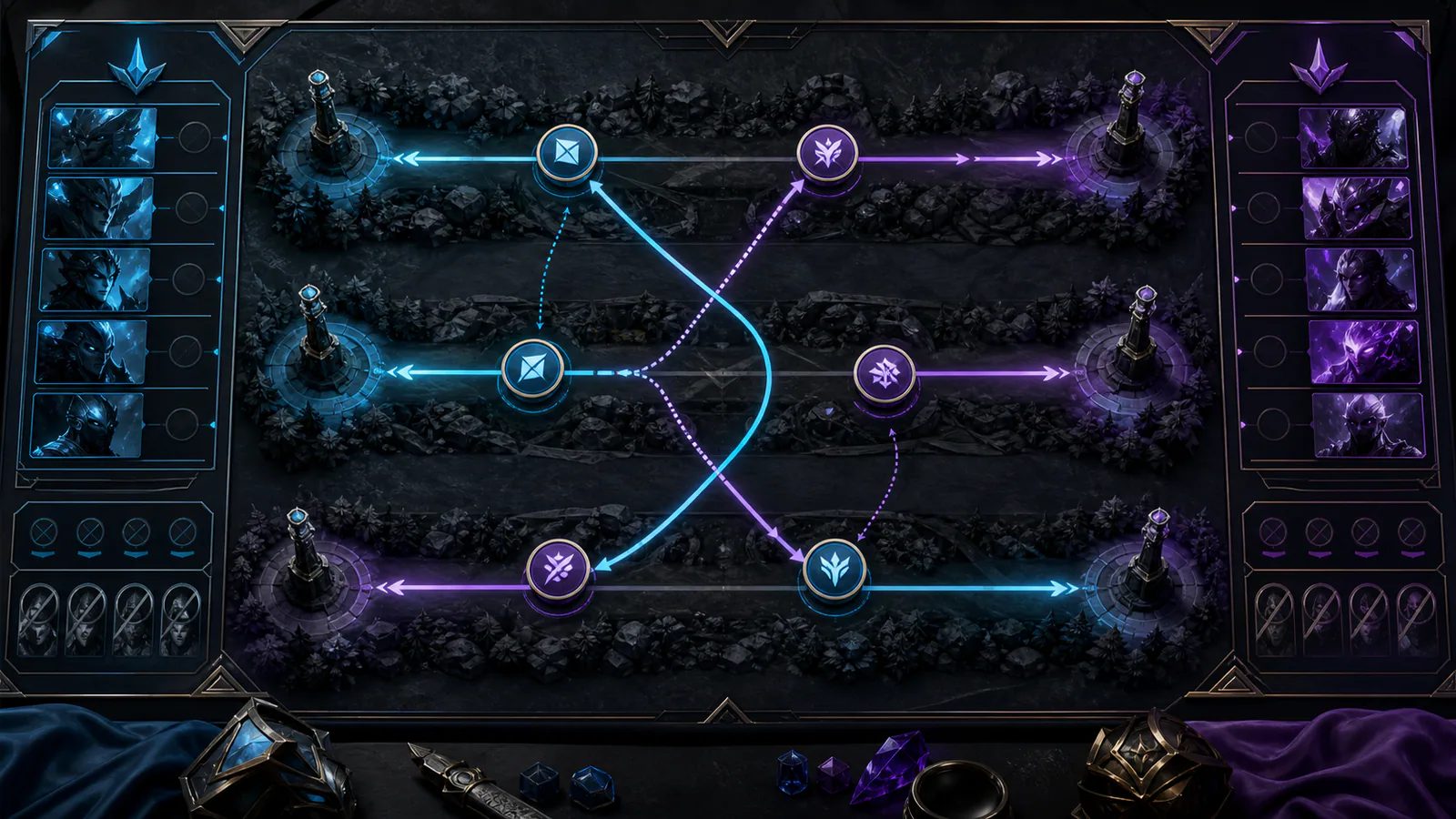
A League of Legends flex pick is often praised because it can occupy several roles. The strategic advantage is not movement on a draft graphic; it is delayed information. Opponents must spend bans and selections without knowing which matchup or lane assignment they are actually solving.
Credibility creates the flex
A champion is flexible only when the roster can play each destination at competitive quality. If one role has no practice sample or forces the entire composition into a weak identity, opponents can ignore that branch. Preparation must include lane plans, item curves and communication changes for every credible placement.
Spend uncertainty at the right moment
Early flexibility can protect later carries, while a late swap can repair one targeted matchup. Decide what information the team wants to withhold. Moving a champion simply because it can move may sacrifice a stronger counterpick elsewhere.
Pair the plan with our draft identity guide. Flexibility supports an identity; it should not replace one.
Evaluate the draft before the result
After the match, ask whether the flex forced an opponent response, preserved a favourable lane or unlocked a stronger final selection. Do not declare it successful because the team won. Execution can rescue a draft that revealed too much.
Use side-lane assignments to review how the chosen role affected later map states. The best flex pick leaves several believable answers open until the opponent must commit.
Editorial note
Evergreen draft analysis reviewed against the current League of Legends ruleset.
This article was reviewed on August 3, 2026.

Related stories
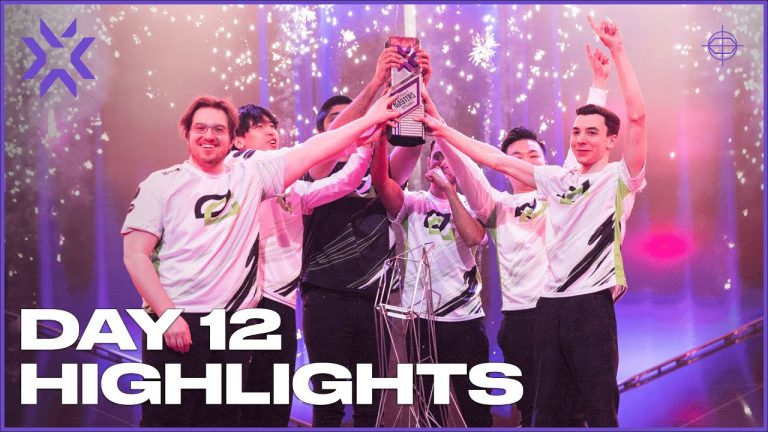
OpTic vs LOUD: Masters Reykjavík 2022 final
The OpTic vs LOUD Masters Reykjavík 2022 final ended 3–0 on April 24. OpTic won two overtime maps before closing the series and became the first North America.
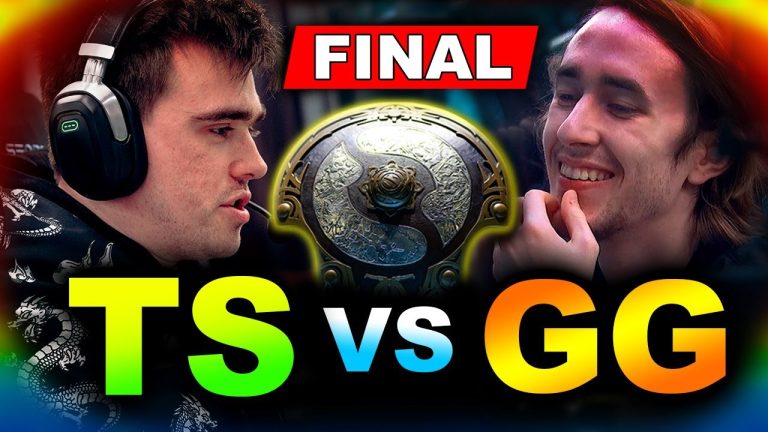
Team Spirit vs Gaimin Gladiators: TI 2023 final
The Team Spirit vs Gaimin Gladiators TI 2023 final ended 3–0 in Seattle on October 29. Spirit completed an unbeaten upper-bracket run and became the second.
Samsung White vs Star Horn Royal Club: Worlds 2014 final
The Samsung White vs Star Horn Worlds 2014 final ended 3–1 at Seoul World Cup Stadium on October 19 local time. Samsung White completed a dominant tournament.
Community channel
Join the discussion
Start a thoughtful, specific conversation about this story.
Verified readers only
Continue with Google to comment.
Your Google account creates a reader-only Kaizensclan profile. Your first comment is reviewed before publication.