Dota 2 smoke timing: move when the map answers a question
The best smoke begins with an answer about where the opponent cannot be.

A Dota 2 smoke can hide five heroes, but it cannot hide a weak reason for moving. Teams often group because the map feels quiet, then cross territory without knowing which target or objective makes the risk worthwhile. Better smoke timing begins after the map answers one useful question.
Create the information window
Push one lane, show a durable hero elsewhere or wait for an opponent to reveal on a wave. Each signal reduces the number of places the remaining heroes can occupy. The smoke should exploit that window before the visible hero disappears.
State whether the move seeks a kill, ward line or objective position. Different purposes require different routes and different thresholds for turning back.
Protect the exit before contact
Identify the safe retreat and the spell that covers it. A failed smoke does not need to become a lost fight. If no target appears by the agreed landmark or time, convert the movement into vision, farm denial or Roshan control.
This restraint connects to our high-ground patience analysis: map control remains valuable even when the immediate kill does not arrive.
Review the first revealed clue
In replay, pause when the smoke begins and list every visible lane, missing teleport and objective timer. Then find the first clue that contradicted the route. Did the team ignore it, see it too late or lack a cancellation call?
Use the ward review guide to connect movement with the vision it leaves behind. A disciplined smoke is not judged only by kills. It should improve the team’s understanding of the next minute.
Editorial note
Evergreen macro analysis reviewed for the current Dota 2 ruleset.
This article was reviewed on August 3, 2026.

Related stories
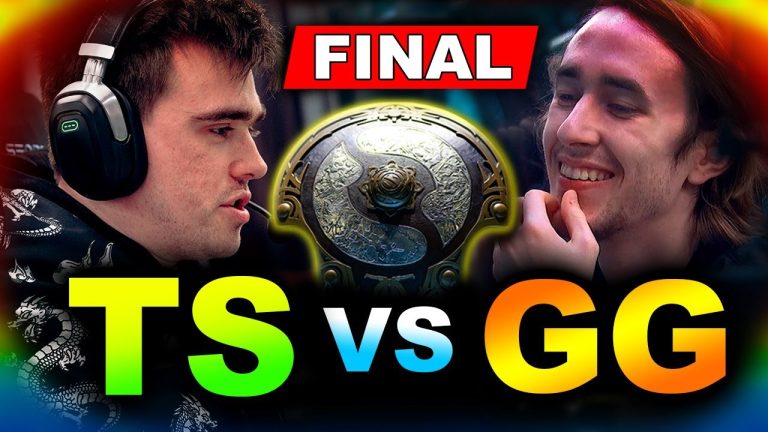
Team Spirit vs Gaimin Gladiators: TI 2023 final
The Team Spirit vs Gaimin Gladiators TI 2023 final ended 3–0 in Seattle on October 29. Spirit completed an unbeaten upper-bracket run and became the second.
Newbee vs Vici Gaming: The International 2014 final
The Newbee vs Vici Gaming International 2014 final produced a 3–1 champion on July 21 in Seattle. Vici’s fast opening won game one, but Newbee adjusted.
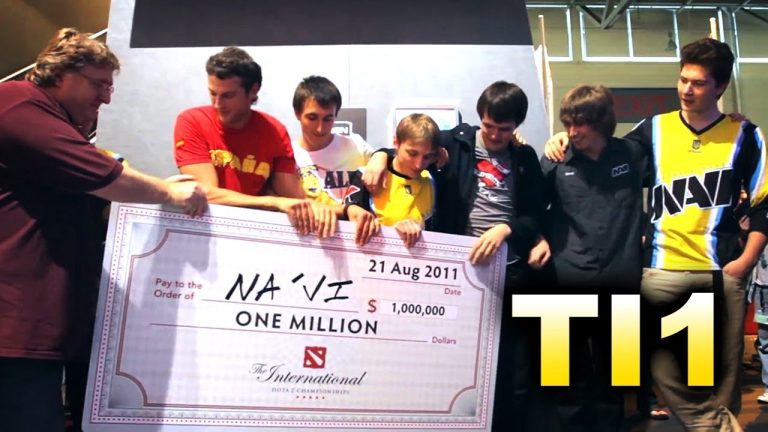
NAVI vs EHOME: The International 2011 final revisited
The NAVI vs EHOME International 2011 final ended 3–1 in Cologne, where Dota 2 was presented to a global competitive audience at Gamescom. NAVI became the firs.
Community channel
Join the discussion
Start a thoughtful, specific conversation about this story.
Verified readers only
Continue with Google to comment.
Your Google account creates a reader-only Kaizensclan profile. Your first comment is reviewed before publication.