CS2 utility handoffs: who owns the grenade after rotation?
A rotation changes more than positions; it changes who must protect the next piece of utility.

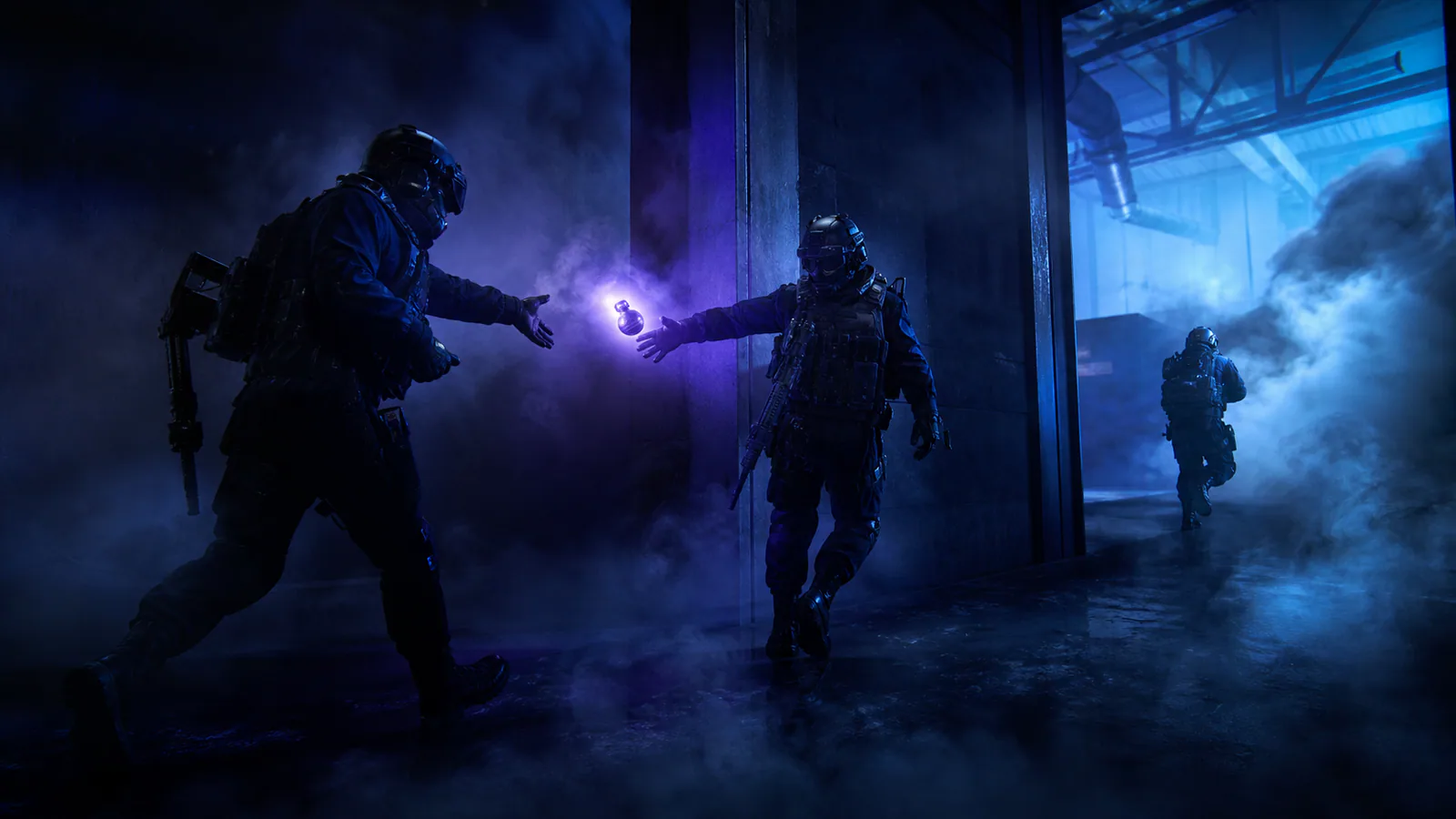
A CS2 rotation moves players across the map, but it also moves responsibility. The smoke intended for a choke, the incendiary reserved for a plant and the flash needed for a retake can become orphaned when their original owner leaves the play. A utility handoff names who protects each resource after the shape changes.
Assign purpose before the grenade
Teams should call the job first: delay the entry, isolate the plant, enable the retake or protect the save. The nearest suitable player then owns the grenade that performs it. This prevents a support player from carrying a perfect lineup into a position where it can no longer be used.
Keep the language short. “You own bridge smoke” is better than listing an entire retake. The owner confirms once, and the caller knows whether the plan survives the rotation.
Update ownership at clear triggers
Useful triggers include the first rotation, a player dropping below safe health, a weapon being saved and the bomb being confirmed. Do not renegotiate every ten seconds. A handoff matters when the original user can no longer reach the intended timing.
The same trigger-based language strengthens our CS2 timeout protocol. Both systems turn a broad tactical idea into one named first action.
Review unused utility without blaming the carrier
When a round ends with grenades available, rewind to the moment their purpose disappeared. Ask whether ownership was transferred, whether the new owner had a route and whether the team still wanted the original effect. The final inventory is evidence, not the cause.
Track one utility handoff during the 30-minute demo review. A strong team does not use every grenade. It makes a conscious decision about who can still use the important one.
Editorial note
Evergreen tactical analysis reviewed against the current Counter-Strike ruleset.
This article was reviewed on August 3, 2026.

Related stories
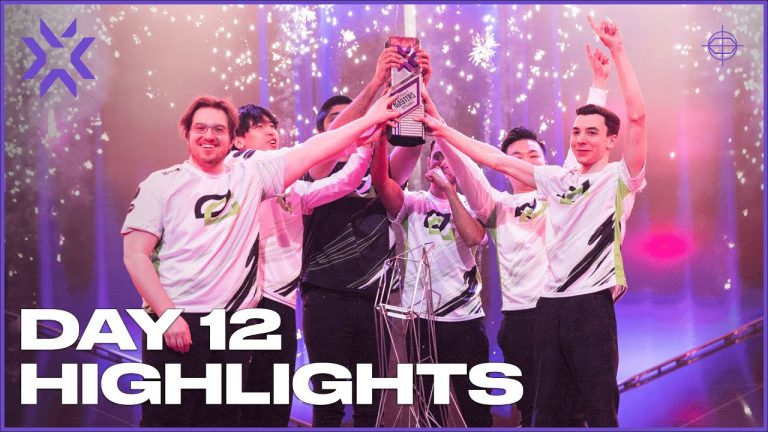
OpTic vs LOUD: Masters Reykjavík 2022 final
The OpTic vs LOUD Masters Reykjavík 2022 final ended 3–0 on April 24. OpTic won two overtime maps before closing the series and became the first North America.
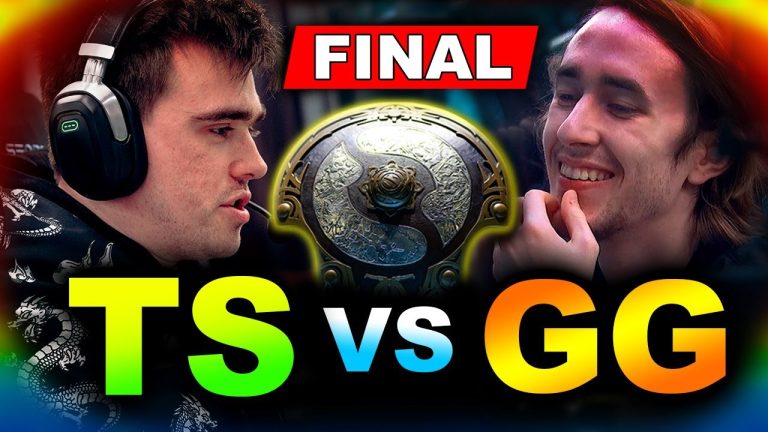
Team Spirit vs Gaimin Gladiators: TI 2023 final
The Team Spirit vs Gaimin Gladiators TI 2023 final ended 3–0 in Seattle on October 29. Spirit completed an unbeaten upper-bracket run and became the second.
Samsung White vs Star Horn Royal Club: Worlds 2014 final
The Samsung White vs Star Horn Worlds 2014 final ended 3–1 at Seoul World Cup Stadium on October 19 local time. Samsung White completed a dominant tournament.
Community channel
Join the discussion
Start a thoughtful, specific conversation about this story.
Verified readers only
Continue with Google to comment.
Your Google account creates a reader-only Kaizensclan profile. Your first comment is reviewed before publication.