Hades II review — repetition becomes resistance
Our Hades 2 review examines Melinoë's deliberate combat, two campaign routes, layered progression and a story that makes repeated failure feel necessary.
 By Dmitri Aslanov
··6 min read
·PC, macOS, PlayStation 5, Xbox Series X|S, Nintendo Switch, Nintendo Switch 2
By Dmitri Aslanov
··6 min read
·PC, macOS, PlayStation 5, Xbox Series X|S, Nintendo Switch, Nintendo Switch 2 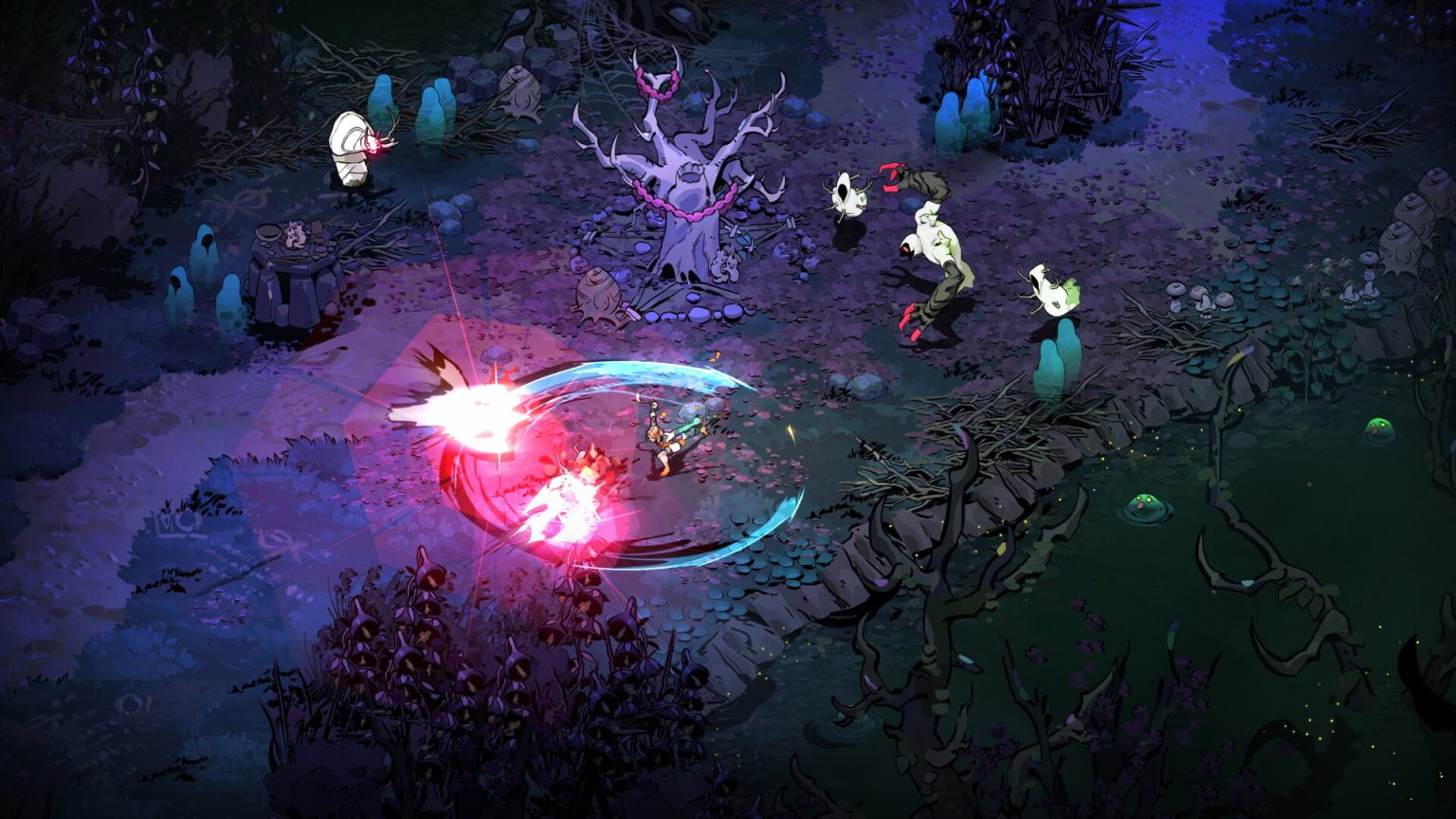 9.5
9.5 Kaizensclan verdict
Our Hades 2 review examines Melinoë's deliberate combat, two campaign routes, layered progression and a story that makes repeated failure feel necessary.
This Hades II review finds Supergiant Games expanding a proven roguelike without mistaking quantity for purpose. Melinoë fights toward the Underworld and the surface using weapons, casts and witchcraft that reward control more than Zagreus’s constant forward aggression. Two routes, a larger supporting cast and layered progression make repetition narratively productive, even when the number of systems can feel intimidating.
Review methodology: Kaizensclan did not independently play the 1.0 build. This assessment uses official documentation and public gameplay, with zero hands-on hours disclosed so experiential judgments are not presented as personal testing. Release details were checked against the official Steam page and Supergiant Games materials.
Hades II gives Melinoë control before speed
Melinoë is not a reskinned Zagreus. Her cast can hold enemies in place, omega moves trade charging time for stronger effects and sprinting replaces the first game’s repeated dash emphasis. These changes encourage players to establish safe geometry before committing to damage.
Weapons interpret that idea differently. Close-range choices reward confident spacing, ranged tools create deliberate lanes and special attacks support status combinations. Boons from the gods modify attacks, casts and movement, while duo and legendary effects can redirect an entire build.
Magick introduces another resource to manage. Powerful omega actions cannot be treated as free upgrades; the player needs regeneration, capacity and enough room to charge. A build that looks impressive in the menu may fail if its resource loop collapses during a boss sequence.
Arcana cards provide persistent preparation under a capacity system, and keepsakes shape early priorities. The volume of options is exciting, but newcomers can face several overlapping currencies and upgrade screens before they understand which decisions improve the next run. The build literacy valued in our Path of Exile 2 review appears here in a more approachable, action-focused form.
Two routes keep repetition strategically alive
The Underworld route targets Chronos, while the surface creates a separate ascent with different regions, enemies and pressures. Choosing a direction changes the available story progress and resource opportunities. It also prevents one sequence of biomes from carrying the entire structure.
Runs ask players to balance immediate strength against long-term materials. A room reward that improves the current build may compete with a resource needed for an incantation at the Crossroads. Good roguelikes make that tension visible; weaker moments occur when a material objective overwhelms the tactical reason to choose a route.
Bosses test specific parts of the combat vocabulary. Area control, sustained movement, add management and burst windows make different builds feel better or worse without reducing every fight to a single damage threshold. Failure provides information about both execution and construction.
Repetition cannot disappear. Even with two paths and substantial variation, players will revisit rooms, enemy groups and dialogue spaces. Hades II succeeds by letting context change around familiar structure. Anyone who dislikes restarting after defeat will still dislike the foundation.
The Crossroads makes failure part of the story
Characters react to events, weapons, relationships and repeated outcomes. Conversations are not only rewards placed between runs; they turn returning home into narrative continuation. The player can fail mechanically while still learning something about a god, ally or rival.
Melinoë’s mission has a different emotional texture from Zagreus’s escape. She is trained, purposeful and surrounded by a resistance effort. That certainty gives the supporting cast room to question cost, duty and what victory should preserve.
Supergiant’s illustrated character art remains instantly readable. Portraits communicate posture and status before dialogue, while region palettes distinguish danger without making hazards disappear into decoration. Effects are dense, but enemy attacks and player casts usually preserve strong shapes.
Music moves between ritual, percussion, strings and heavier combat arrangements. Themes can make a familiar encounter feel newly urgent without ignoring the quieter work of the Crossroads. The integration of interface, art and sound demonstrates the visual coherence discussed in our art-direction coverage.
Technical state, accessibility and monetisation
Hades II reached version 1.0 on September 25, 2025 after an Early Access period that began in May 2024. The initial console launch covered Nintendo Switch systems; PlayStation 5 and Xbox Series X|S versions followed on April 14, 2026, according to the official Supergiant Games FAQ. The Steam version supports Windows and macOS. This research review does not claim original performance measurements.
The isometric presentation scales efficiently compared with current photorealistic action games, but dense late-run effects still make visual accessibility important. God Mode and other settings support players who want narrative continuity without removing the core progression structure.
Monetisation is clean. Hades II is a premium game with its soundtrack sold separately. There is no battle pass, premium currency or paid power system. Weapons, Arcana, relationships and cosmetic improvements are earned inside the game.
The value is substantial for players comfortable with repeated runs. Two routes, several weapons, boon combinations, relationship arcs and challenge modifiers provide meaningful variation. A player focused only on reaching credits will see less of the writing and systemic range than someone who continues testing builds.
Who should return to the Crossroads
Hades II suits players who enjoy improving a plan and their execution at the same time. Boon choices, Arcana and weapon aspects shape the plan; positioning, charge timing and resource control determine whether it works. Neither layer can permanently compensate for neglecting the other.
Newcomers do not need to complete the first Hades before starting, but knowledge of its family relationships adds weight to returning characters and conflicts. The sequel introduces Melinoë’s mission clearly enough to establish its own centre.
Players primarily interested in story should understand that dialogue is distributed through attempts. Failure and return are not delays before the narrative resumes; they are how much of the narrative arrives. God Mode can reduce mechanical resistance, but the run structure remains intact.
Anyone who played extensively during Early Access should check the 1.0 changes rather than assuming the final campaign merely adds credits. Supergiant used that period to expand routes, systems and conclusions. A fresh save is not always necessary, but returning players benefit from reviewing what their existing progression has already unlocked.
Verdict
Hades II justifies its scale by changing the decisions beneath the repetition. Melinoë’s casts and omega moves create a more deliberate combat rhythm, while two routes let strategy and story develop in parallel.
The expanded currencies and upgrade layers can make the opening harder to parse, and no amount of dialogue can make a run-based structure appealing to someone who rejects repetition. For the intended audience, those are manageable costs rather than structural failures.
Score: 9.5/10. This is a research-based editorial score with zero independently played hours, not a substitute for a measured hands-on review. Its design, presentation and premium model make Hades II one of the strongest current roguelikes, provided repetition is a feature rather than a warning.
Sources: Supergiant Games official Steam and version 1.0 materials, checked August 6, 2026.
Editorial note
This research-based editorial assessment uses official release information and public gameplay. Kaizensclan logged zero first-hand playtest hours.
- https://store.steampowered.com/app/1145350/Hades_II/
- https://www.supergiantgames.com/blog/hades2-faq/
This article was reviewed on August 6, 2026.

Related stories
Hades II enters Early Access with a larger first build
Supergiant Games released Hades II into Early Access on May 6, 2024 for Steam and Epic Games Store. The first public build follows Melinoe in a new action.
Metaphor: ReFantazio review: politics through turn-based combat
Metaphor: ReFantazio carries familiar Atlus structures into a new fantasy world, then gives them a sharper public purpose. The calendar no longer tracks only.
Minishoot’ Adventures review: exploration under fire
This Minishoot Adventures review finds a small ship leaving its village to free captured friends and confront corrupted machines. SoulGame Studio combines an.
Community channel
Join the discussion
Start a thoughtful, specific conversation about this story.
Verified readers only
Continue with Google to comment.
Your Google account creates a reader-only Kaizensclan profile. Your first comment is reviewed before publication.