Dota 2 Roshan control begins with missing information
Vision shows part of the map; disciplined objective play names the dangerous part it cannot show.

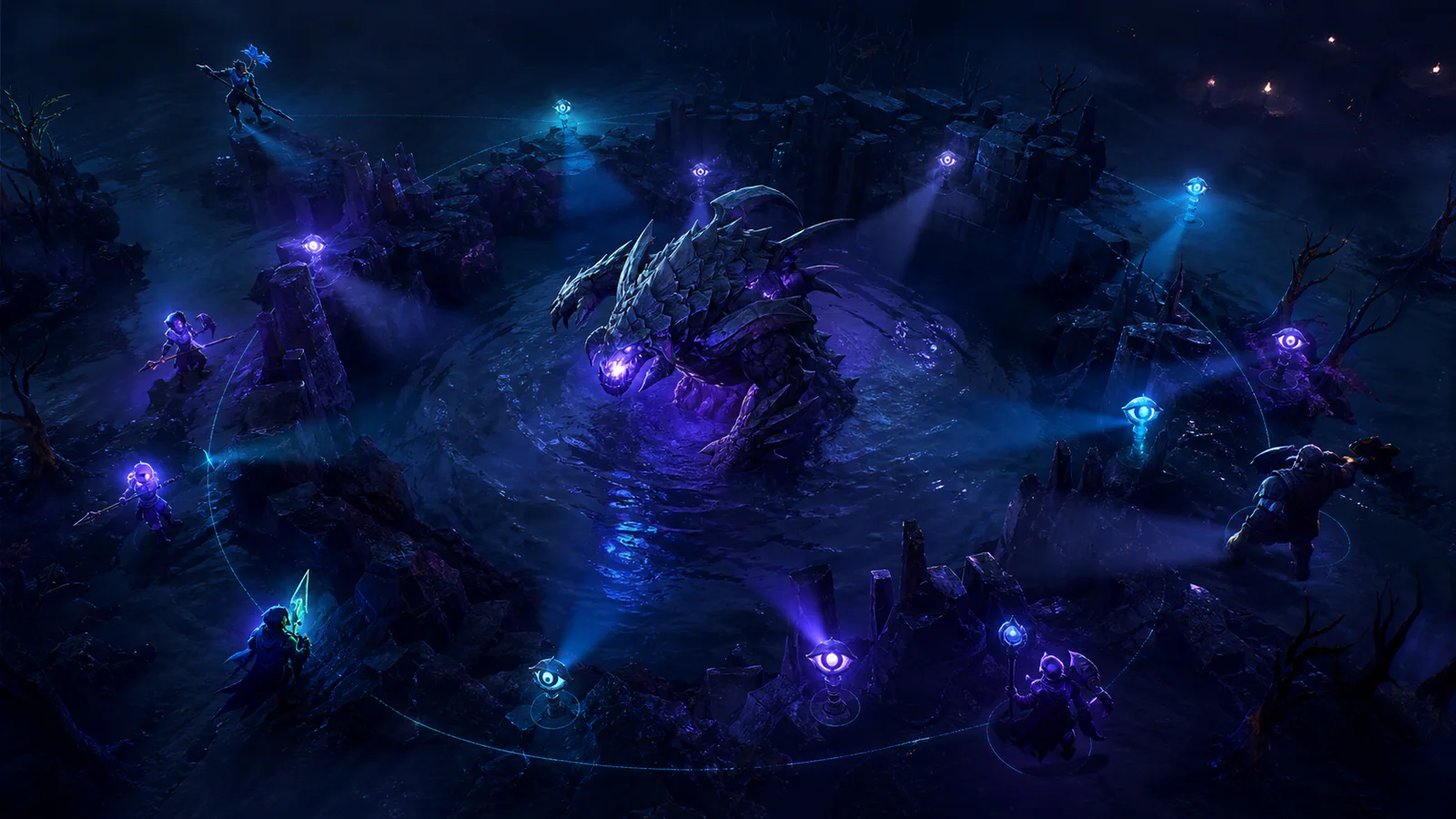
A team can own wards around Roshan and still take a blind objective. The risk usually lives in missing information: an unseen teleport, a smoke route or a core whose item timing has not been checked. Before entering the pit, strong teams identify what remains unknown and assign a response.
Build an evidence list
Call visible lanes, dead heroes, recent teleports and the last known position of major initiation. This creates a short range of plausible contest routes instead of a vague warning that opponents may be nearby.
Give every unknown a trigger
One player watches the approach, another preserves a disengage spell and the damage dealers know the health threshold for turning. If a missing hero appears on a distant wave, the team can accelerate. If the smoke route remains open, it can hold position.
Review objective attempts from thirty seconds before the pit. Roshan control is not simply damage and wards; it is a shared model of the information that could still overturn the call.
Editorial note
Evergreen macro analysis reviewed against the current Dota 2 ruleset.
This article was reviewed on August 3, 2026.

Related stories
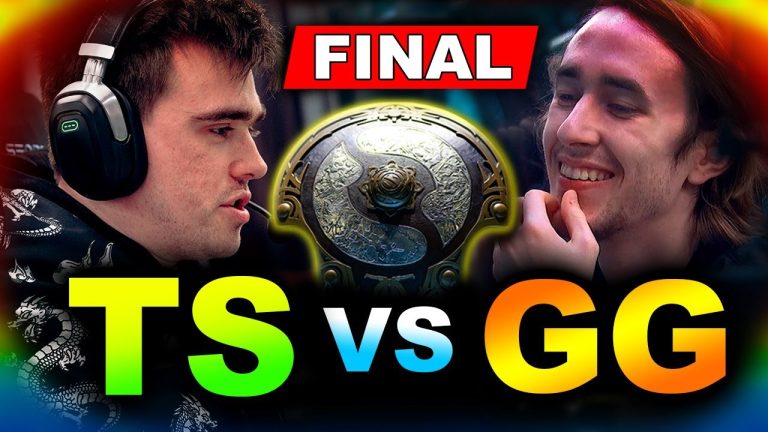
Team Spirit vs Gaimin Gladiators: TI 2023 final
The Team Spirit vs Gaimin Gladiators TI 2023 final ended 3–0 in Seattle on October 29. Spirit completed an unbeaten upper-bracket run and became the second.
Newbee vs Vici Gaming: The International 2014 final
The Newbee vs Vici Gaming International 2014 final produced a 3–1 champion on July 21 in Seattle. Vici’s fast opening won game one, but Newbee adjusted.
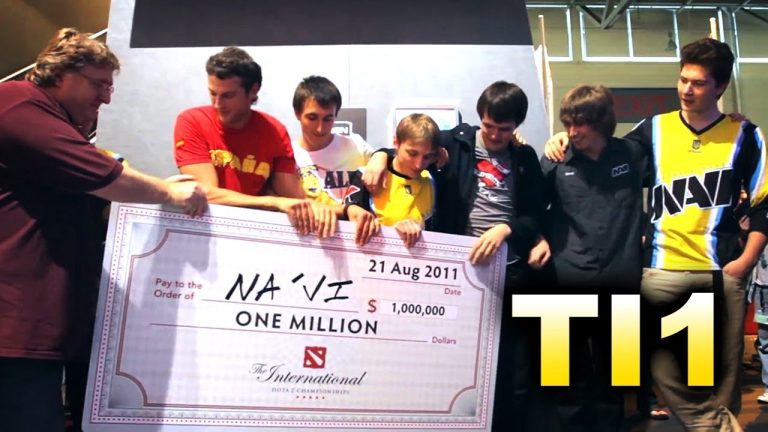
NAVI vs EHOME: The International 2011 final revisited
The NAVI vs EHOME International 2011 final ended 3–1 in Cologne, where Dota 2 was presented to a global competitive audience at Gamescom. NAVI became the firs.
Community channel
Join the discussion
Start a thoughtful, specific conversation about this story.
Verified readers only
Continue with Google to comment.
Your Google account creates a reader-only Kaizensclan profile. Your first comment is reviewed before publication.