CS2 map veto preparation: build a series, not a comfort pick
Use the veto to create a playable sequence before the server loads.


A CS2 map veto is the first strategic exchange of a series. Weak preparation treats it as a ranking of favourite maps; strong preparation models the branches created by every removal and selection. The objective is not to reach one perfect battleground. It is to build a sequence in which preparation, stamina and side choices support the team’s clearest win conditions.
Separate strength from readiness
A map can have a strong historical record and still be a poor pick today. Roster changes, a narrow practice sample or an opponent with unusually sharp counters can reduce its practical value. Rate each map across three columns: current readiness, opponent pressure and information confidence. The third column stops one surprising result from becoming a permanent belief.
Use recent demos to identify how the opponent creates its opening advantage. Do not reduce the study to win rate. A team that wins through dominant CT starts presents a different problem from one that survives weak starts through deep T-side calling.
Map the first two branches
Prepare a response for the expected ban and for the most disruptive alternative. Each branch should show the likely pick, side preference and decider. That is enough detail to prevent panic without pretending every possible veto can be scripted.
Connect the branches to personnel. If one map demands repeated anchor pressure or a highly active AWPer, consider where it falls in a best-of-three. A demanding opener may weaken the same player’s impact later. Series preparation includes energy and role load, not just geometry.
Choose a pick with a round plan
Before selecting a map, name three opening structures the team is ready to show and one adaptation it expects to need. If the staff cannot describe how the first six rounds will gather information, the pick may be based on reputation rather than present work.
Pair that preparation with the timeout protocol. The veto establishes the likely questions; the timeout gives the team a compact way to answer a pattern that appears earlier than expected.
Review the veto independently
Do not judge the veto only by the match result. After the series, ask whether the opponent behaved as projected, whether the selected map produced the planned role matchups and which assumption failed. A good veto can precede poor execution, and a risky veto can be rescued by exceptional individual play.
Store the review beside the demo review, then update only the assumption supported by evidence. Over time, the veto sheet becomes a living model of the pool. Its job is to make the series understandable before it starts, not to guarantee that every map feels comfortable.
Editorial note
Strategic analysis based on best-of-series preparation principles.
This article was reviewed on July 31, 2026.

Related stories

OpTic vs LOUD: Masters Reykjavík 2022 final
The OpTic vs LOUD Masters Reykjavík 2022 final ended 3–0 on April 24. OpTic won two overtime maps before closing the series and became the first North America.
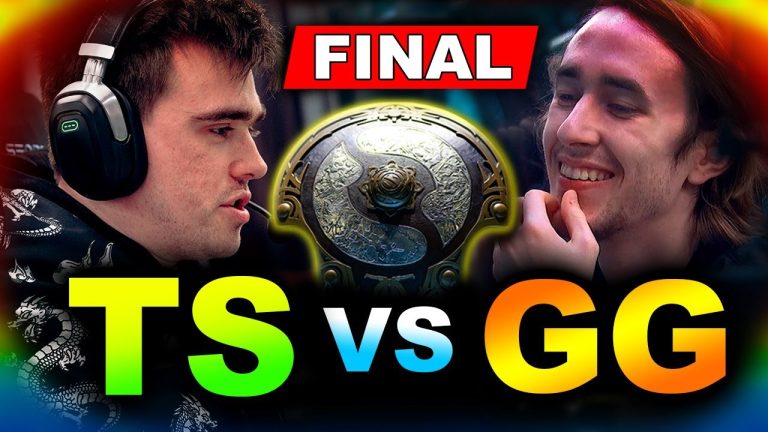
Team Spirit vs Gaimin Gladiators: TI 2023 final
The Team Spirit vs Gaimin Gladiators TI 2023 final ended 3–0 in Seattle on October 29. Spirit completed an unbeaten upper-bracket run and became the second.

Samsung White vs Star Horn Royal Club: Worlds 2014 final
The Samsung White vs Star Horn Worlds 2014 final ended 3–1 at Seoul World Cup Stadium on October 19 local time. Samsung White completed a dominant tournament.
Community channel
Join the discussion
Start a thoughtful, specific conversation about this story.
Verified readers only
Continue with Google to comment.
Your Google account creates a reader-only Kaizensclan profile. Your first comment is reviewed before publication.