Dota 2 high-ground patience: how teams protect a lead
Treat the ramp as the final step of a sequence, not the reward for winning one fight.

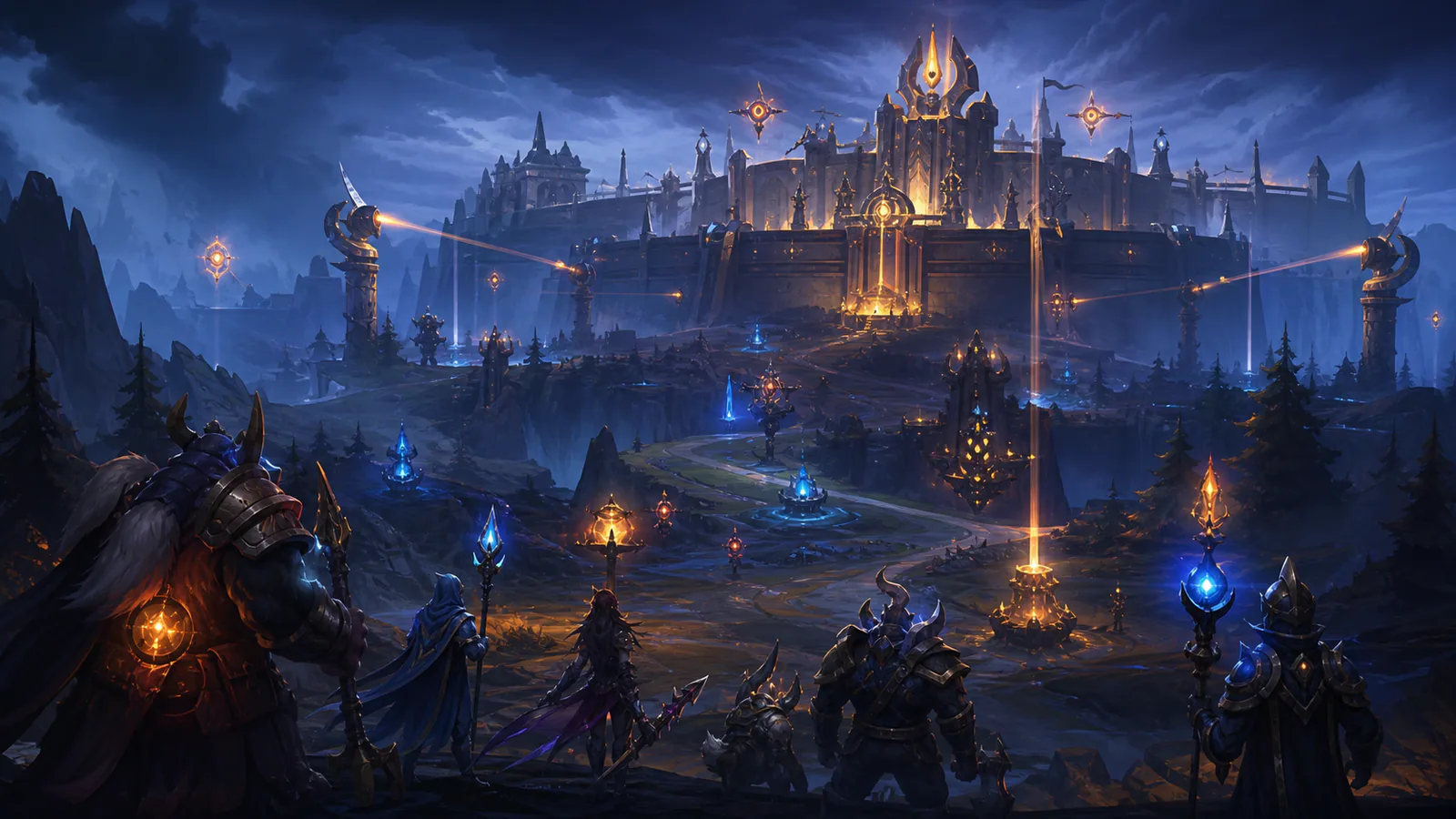
Dota 2 high-ground pushes punish impatience because the defending team receives several advantages at once: vision, a nearby fountain, protected buybacks and narrow approach lanes. A team can dominate twenty minutes of the map and lose that work in one unsupported climb. Protecting a lead means converting control into information and resources before treating barracks as the only useful outcome.
Measure the lead in tools, not gold
Net worth matters, but the push depends on which tools are available now. Check the next Roshan window, defensive ultimates, buyback status, lane position and the duration of any key enemy death. A large lead with no siege, no Aegis and two lanes at the river may be less actionable than a smaller lead with all three lanes pressing the base.
The caller should name the missing condition. “We go after bottom reaches the tower” is clearer than “wait a little.” Conditions make patience active: players farm specific camps, refresh vision and protect couriers instead of drifting into an accidental fight.
Use the map to reduce uncertainty
Before climbing, occupy the spaces defenders need to leave the base. Ward likely smoke routes, control the nearest neutral objectives and keep one wave distant enough to reveal a teleport. Each piece of map control narrows the set of surprises that can meet the push.
This phase also creates economic pressure. Defenders must choose between showing for a wave and preserving high-ground concealment. The leading team can take another item timing without surrendering the initiative. For a wider late-game framework, see our objective timing guide.
Force a spell before committing
A safe siege asks the defender to reveal something first. Send an illusion, controlled unit or durable hero to touch the tower while the damage dealers remain outside initiation range. Use low-commitment spells to test positioning. If the defence spends a long cooldown, reset for seconds rather than following it blindly up the ramp.
The same discipline applies after a pickoff. Count who can buy back and which teleport points remain. One dead support does not automatically remove the spells that punish a clustered team.
Agree on the reset signal
Teams often plan the entry and improvise the exit. Choose a reset signal before the ramp: Aegis expiring, a key immunity ending, a side lane reaching your own tower or an enemy core returning. The first player to see the condition calls it once; everyone moves to a preselected safe area.
Our buyback discipline guide explains the other side of this exchange. Together, the two systems turn high ground into a sequence of controlled questions. The leading team does not need to finish the game on the first attempt. It needs to leave each attempt with the lead, vision and next objective still intact.
Editorial note
Evergreen macro analysis reviewed for the current Dota 2 ruleset.
This article was reviewed on July 31, 2026.

Related stories

Team Spirit vs Gaimin Gladiators: TI 2023 final
The Team Spirit vs Gaimin Gladiators TI 2023 final ended 3–0 in Seattle on October 29. Spirit completed an unbeaten upper-bracket run and became the second.

NAVI vs EHOME: The International 2011 final revisited
The NAVI vs EHOME International 2011 final ended 3–1 in Cologne, where Dota 2 was presented to a global competitive audience at Gamescom. NAVI became the firs.

Alliance edged NAVI 3–2 in The International 2013 final
Alliance defeated Natus Vincere 3–2 in The International 2013 grand final on August 11 in Seattle. It was the first TI final to reach a fifth game and ended.
Community channel
Join the discussion
Start a thoughtful, specific conversation about this story.
Verified readers only
Continue with Google to comment.
Your Google account creates a reader-only Kaizensclan profile. Your first comment is reviewed before publication.