CS2 timeout protocol: four questions before play resumes
Turn sixty seconds of silence into one shared, executable round plan.

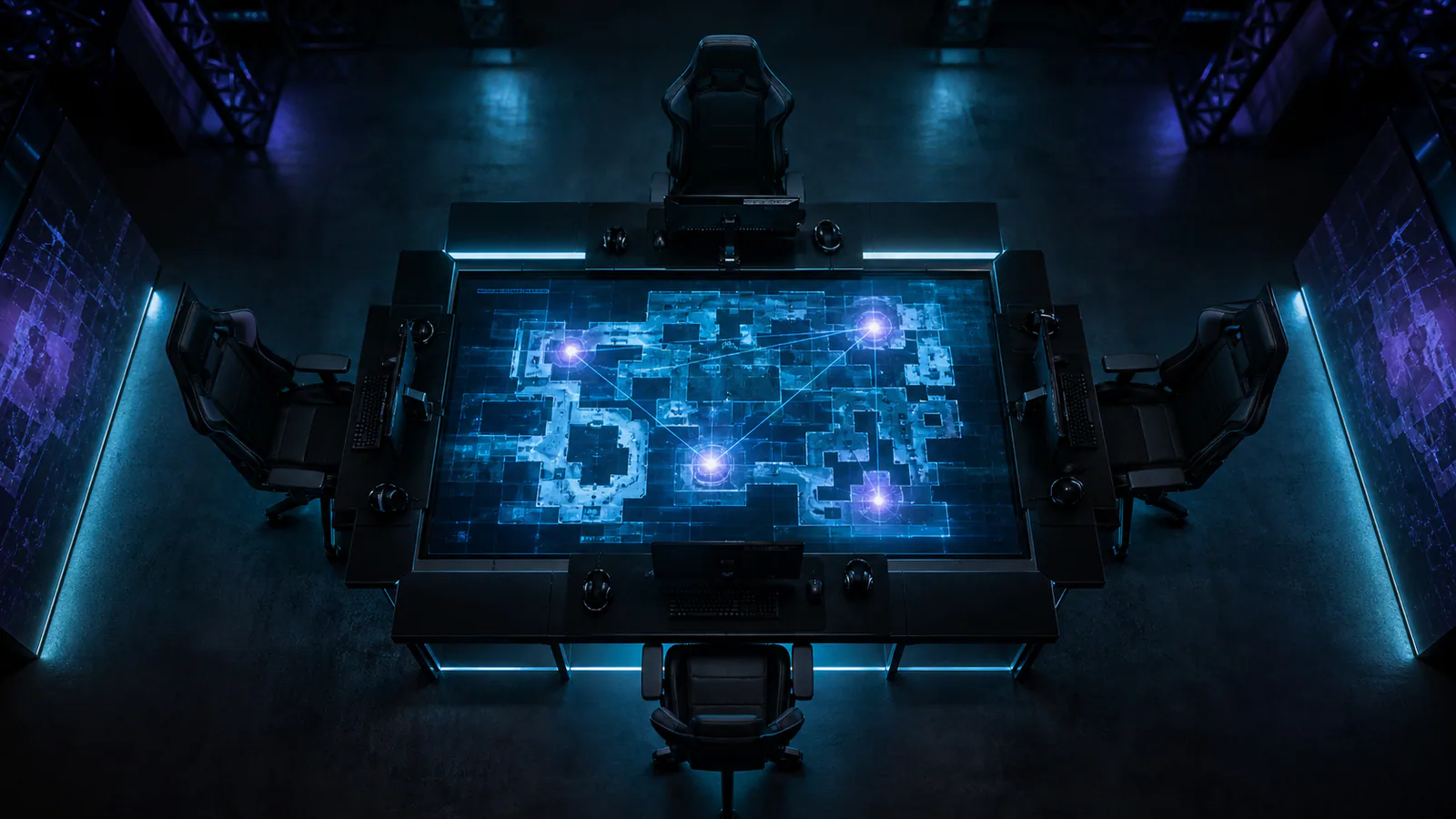
A CS2 timeout creates a rare quiet minute inside a match, but quiet does not automatically produce clarity. Teams often spend it replaying the previous mistake, listing several threats and proposing a complete tactical reset. When play resumes, five players remember different fragments. A stronger CS2 timeout protocol answers four questions in order and ends with one sentence everyone can execute.
What is the immediate problem?
Start with the round state, not the emotion attached to it. Is the opponent taking early map control for free, breaking the same site with late utility, or forcing weak buys through economy pressure? The coach should name one repeatable problem that the next round can actually test. “We are playing badly” is not actionable; “their connector smoke is isolating our anchor” is.
The distinction matters because a timeout cannot repair an entire half. It can interrupt one pattern. If the evidence is uncertain, choose the safest interpretation and make the next round diagnostic. A conservative default that produces information is better than an ambitious call built on a guess.
Which resource changes the round?
Next, identify the resource the team must protect or spend: a saved incendiary, an AWP spawn, a lurk timing, a tactical pause in utility, or simply enough money for the following buy. This keeps the call connected to the equipment visible on the scoreboard. It also prevents a plan designed for five rifles from being forced onto two pistols and a saved sniper.
For an economy-first framework, pair this process with our CS2 economy guide. The timeout call should state whether the current round is meant to win outright, damage the opponent’s economy, or preserve the next full buy.
Who owns the first decision?
Every restart needs a named first decision. The entry decides whether the opening duel is available. The support player confirms the second flash. The anchor calls the rotation threshold. Naming ownership removes the half-second in which everyone waits for someone else to speak.
Ownership is not permission to improvise beyond the plan. It defines the trigger that moves the other four players. Good calls use observable language: contact, utility count, bomb sighting or a timer. Vague instructions such as “play off me” create five private interpretations.
What makes us cancel the plan?
The fourth question is the escape route. State the one piece of information that cancels the call: an early stack, lost bomb control, a missed smoke or an unexpected weapon. A plan without a cancellation rule becomes stubbornness. A cancellation rule also lets players react without asking the coach to solve a live round from outside the server.
End the timeout by compressing the answer: problem, resource, owner, cancel condition. Then ask one player to repeat it. Teams can rehearse this sequence during the 30-minute demo review and test it in structured practice. The objective is not a perfect round after every pause. It is five players leaving the freeze time with the same next decision.
Editorial note
Evergreen tactical analysis reviewed against the current Counter-Strike ruleset.
This article was reviewed on July 31, 2026.

Related stories
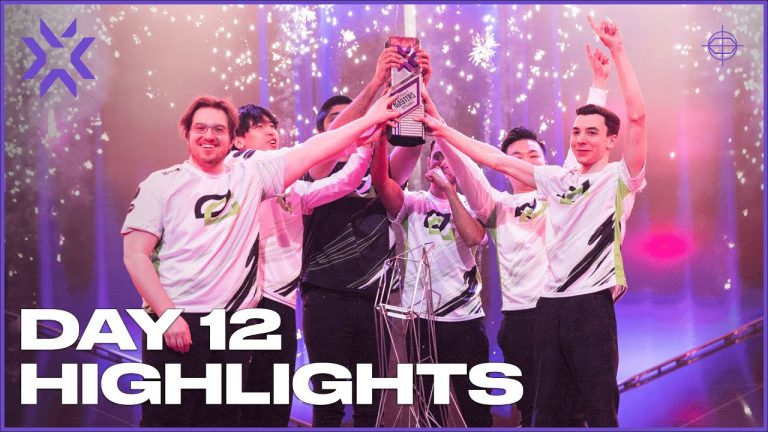
OpTic vs LOUD: Masters Reykjavík 2022 final
The OpTic vs LOUD Masters Reykjavík 2022 final ended 3–0 on April 24. OpTic won two overtime maps before closing the series and became the first North America.
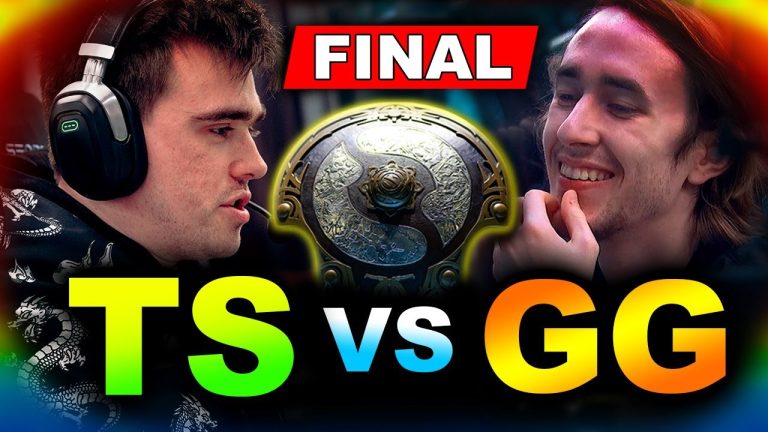
Team Spirit vs Gaimin Gladiators: TI 2023 final
The Team Spirit vs Gaimin Gladiators TI 2023 final ended 3–0 in Seattle on October 29. Spirit completed an unbeaten upper-bracket run and became the second.

Samsung White vs Star Horn Royal Club: Worlds 2014 final
The Samsung White vs Star Horn Worlds 2014 final ended 3–1 at Seoul World Cup Stadium on October 19 local time. Samsung White completed a dominant tournament.
Community channel
Join the discussion
Start a thoughtful, specific conversation about this story.
Verified readers only
Continue with Google to comment.
Your Google account creates a reader-only Kaizensclan profile. Your first comment is reviewed before publication.