Esports travel recovery: the first 24 hours decide practice
Arrival day is part of tournament preparation, not lost practice time.

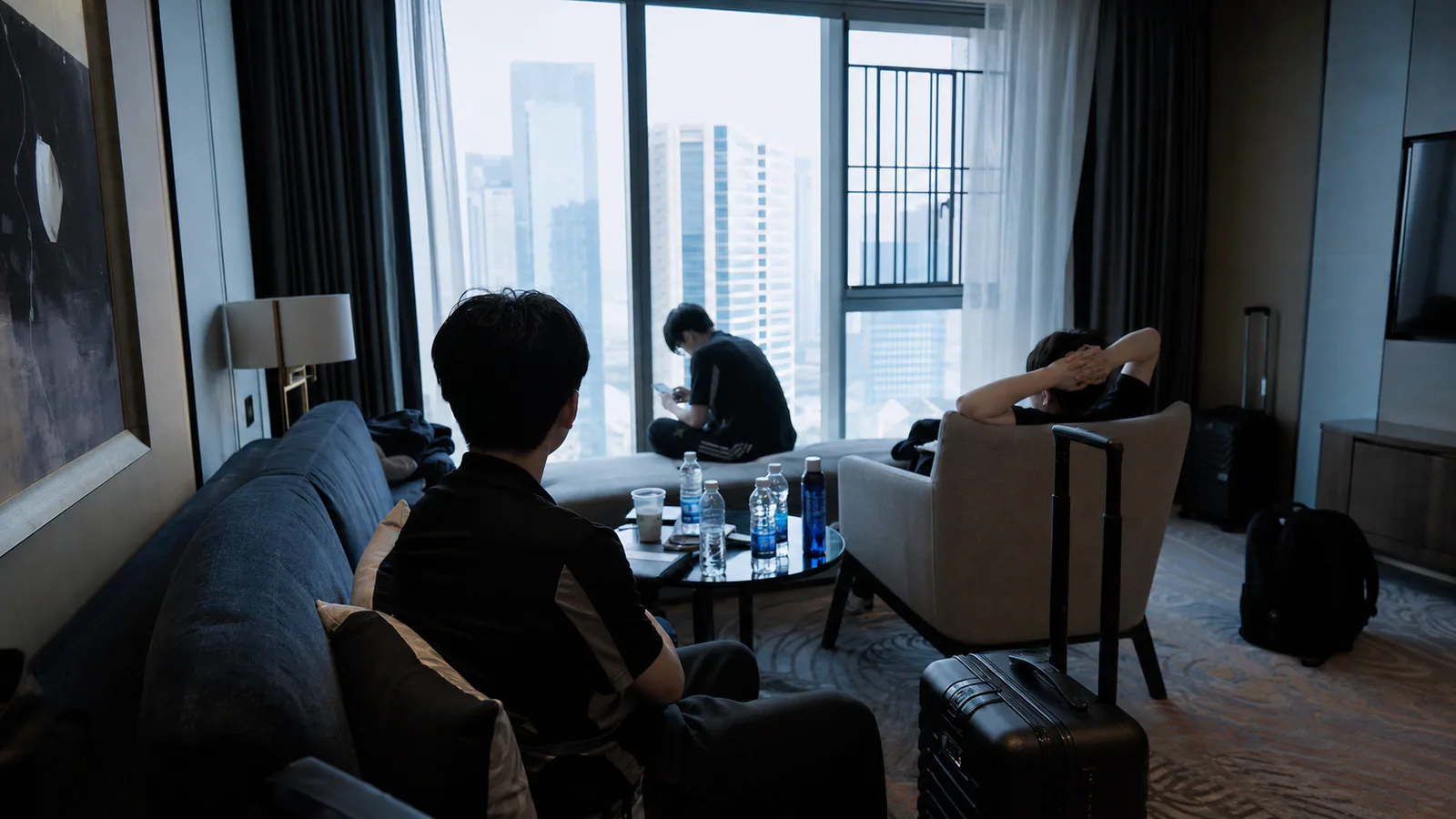
International esports schedules reward teams that treat travel recovery as part of performance. The temptation after arrival is to prove readiness through a long scrim block. That can hide fatigue behind adrenaline and move poor decisions into the team’s tactical review. The first 24 hours should restore a usable rhythm before demanding match intensity.
Anchor the local day
Set meals, daylight exposure and a target sleep window around the destination rather than the departure city. Players should know the plan before boarding so naps and caffeine do not compete with it. Medical or sleep advice belongs with qualified staff; the team protocol should focus on predictable scheduling.
Make the first practice diagnostic
Use a short mechanics block followed by limited team play. Track reaction quality, communication delay and emotional volatility. Do not install a new system while the group is still discovering its energy level.
The desk warm-up guide provides a low-load opening that can be repeated in hotel practice rooms.
Protect the next morning
End the session early enough for food, decompression and equipment checks. A late attempt to “make up” hours can cost the higher-quality block after sleep. Coaches should separate travel symptoms from tactical conclusions in review notes.
As with our team review agenda, the goal is one reliable change at a time. Arrival day succeeds when the staff learns what the team can safely do tomorrow.
Editorial note
General performance-planning analysis; not medical advice.
- Kaizensclan Editorial Policy — editorial-policy.html
This article was reviewed on August 3, 2026.

Related stories
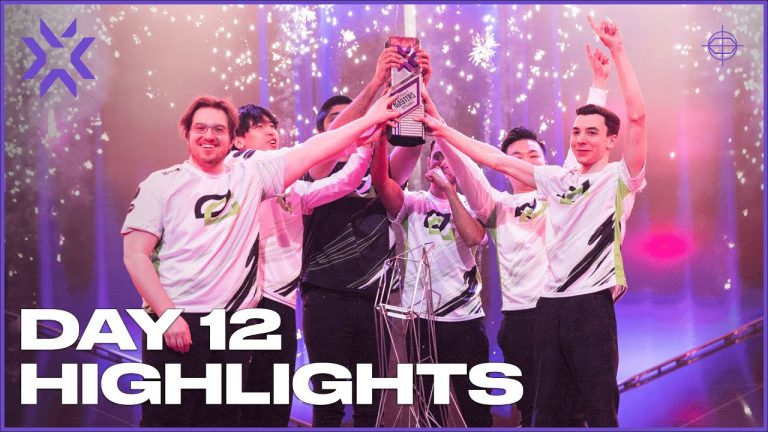
OpTic vs LOUD: Masters Reykjavík 2022 final
The OpTic vs LOUD Masters Reykjavík 2022 final ended 3–0 on April 24. OpTic won two overtime maps before closing the series and became the first North America.
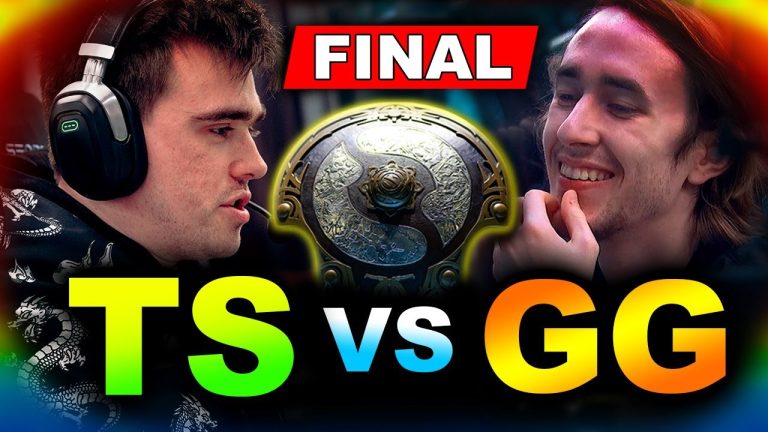
Team Spirit vs Gaimin Gladiators: TI 2023 final
The Team Spirit vs Gaimin Gladiators TI 2023 final ended 3–0 in Seattle on October 29. Spirit completed an unbeaten upper-bracket run and became the second.
Samsung White vs Star Horn Royal Club: Worlds 2014 final
The Samsung White vs Star Horn Worlds 2014 final ended 3–1 at Seoul World Cup Stadium on October 19 local time. Samsung White completed a dominant tournament.
Community channel
Join the discussion
Start a thoughtful, specific conversation about this story.
Verified readers only
Continue with Google to comment.
Your Google account creates a reader-only Kaizensclan profile. Your first comment is reviewed before publication.