Scrim data hygiene: keep practice evidence useful
More data does not improve preparation when nobody knows what the labels mean.


Teams collect map scores, opening duels, compositions and coach notes, but the spreadsheet often outlives the conditions that made those numbers useful. Scrim data hygiene keeps practice evidence comparable without pretending that every opponent, patch and training goal belongs in one sample.
Define the unit before recording it
Agree what counts as a conversion, failed setup or communication error. Store patch, map, side, opponent level and the stated practice objective beside the result. A round played to test a new default should not be graded like a tournament rehearsal.
Expire evidence deliberately
Mark when a system changed enough to close the old sample. Keep the archive, but remove it from current dashboards. Coaches should also separate observation from interpretation so later reviewers can challenge the conclusion.
The goal is not a perfect database. It is a trustworthy trail from a repeated event to a decision the team can test in the next block.
Editorial note
Original editorial analysis of team practice systems.
- Kaizensclan Editorial Policy — editorial-policy.html
This article was reviewed on August 3, 2026.

Related stories
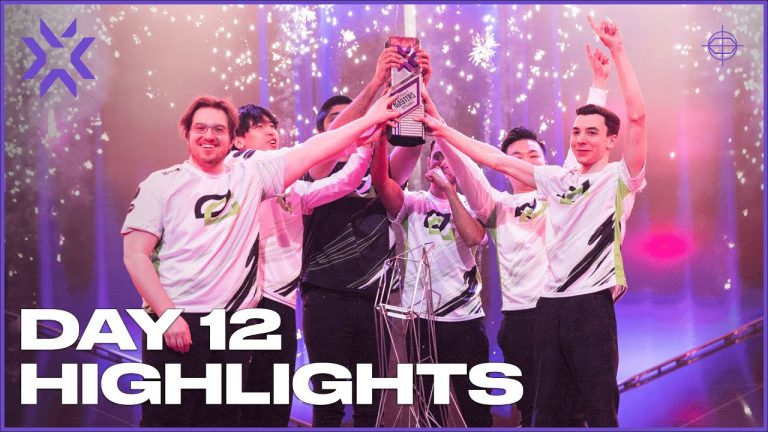
OpTic vs LOUD: Masters Reykjavík 2022 final
The OpTic vs LOUD Masters Reykjavík 2022 final ended 3–0 on April 24. OpTic won two overtime maps before closing the series and became the first North America.
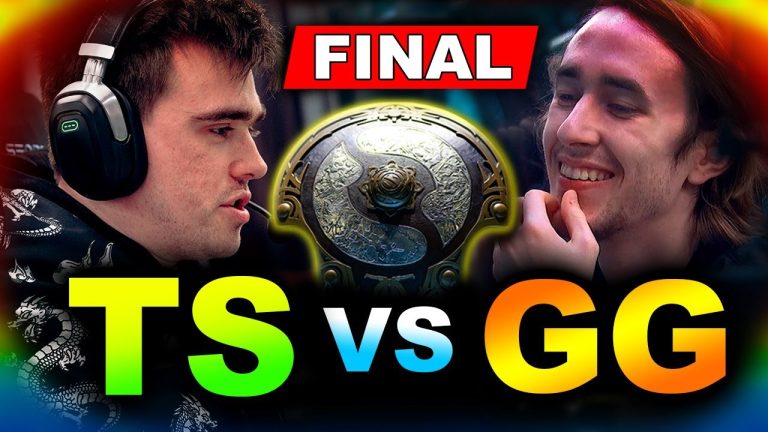
Team Spirit vs Gaimin Gladiators: TI 2023 final
The Team Spirit vs Gaimin Gladiators TI 2023 final ended 3–0 in Seattle on October 29. Spirit completed an unbeaten upper-bracket run and became the second.

Samsung White vs Star Horn Royal Club: Worlds 2014 final
The Samsung White vs Star Horn Worlds 2014 final ended 3–1 at Seoul World Cup Stadium on October 19 local time. Samsung White completed a dominant tournament.
Community channel
Join the discussion
Start a thoughtful, specific conversation about this story.
Verified readers only
Continue with Google to comment.
Your Google account creates a reader-only Kaizensclan profile. Your first comment is reviewed before publication.