South of Midnight review: a beautiful Southern folktale
Our South of Midnight review covers Hazel’s weaving powers, platforming, combat, stop-motion art, music, performance and story structure. Analysis. Details.

 8.0
8.0 Kaizensclan verdict
Our South of Midnight review covers Hazel’s weaving powers, platforming, combat, stop-motion art, music, performance and story structure. Analysis. Details.
Review basis: five hours of play supported by official documentation and public technical coverage. Hours played: 5. The score reflects the systems, presentation and release state observed within that review window rather than a completionist playthrough.
This South of Midnight review finds a focused action adventure whose stop-motion-inspired art and musical storytelling are more memorable than its familiar combat arenas. Hazel’s journey through a mythic American South works because every creature represents a wound before it becomes a boss.
Compulsion Games released South of Midnight on April 8, 2025 for PC and Xbox Series X|S. Hazel becomes a Weaver after a hurricane tears through her home, pursuing her missing mother while learning to mend supernatural corruption.
Traversal keeps the journey moving
Hazel runs, climbs, glides, wall-runs and uses magical strands to reach distant points. Movement is responsive and visually expressive, giving each chapter a steady forward rhythm. Optional paths conceal lore or upgrade resources without turning the world into a checklist.
The structure is largely linear. Landscapes can open into broader spaces, but exploration usually supports a directed chapter rather than a self-authored route. That focus helps pacing and visual composition, although players seeking a systemic open world will find little reason to wander.
Platforming challenges prioritize flow over precision. The game wants the player to feel capable as Hazel, not repeat a narrow jump for an hour. Familiar traversal verbs are elevated by animation and scenery rather than mechanical novelty.
Environmental puzzles use Weaver abilities in readable combinations. They provide pauses between movement and combat, but rarely become the central challenge. The design consistently serves the folktale’s pace.
Combat is clear but repetitive
Arenas lock Hazel into encounters against Haints. She can use melee strings, dodge, pull or push enemies and deploy upgraded abilities. Clear telegraphs make the fundamentals approachable, and healing tied to successful finishers encourages continued engagement.
Enemy types introduce priorities, but the loop becomes recognizable across the campaign. Encounters often feel like gates placed between the distinctive story spaces. Upgrades improve efficiency without completely changing the player’s relationship to combat.
This is not a failure of responsiveness. Attacks communicate impact, dodges are legible and magical control tools create useful space. The limitation is breadth: the narrative and art continually introduce new ideas while the arenas ask for variations on a stable routine.
Players who prefer a concise difficulty curve may appreciate that consistency. Those seeking deep character-action expression are likely to reach the system’s ceiling early.
Folklore makes each monster a story
South of Midnight draws on Southern Gothic imagery and regional folklore without presenting its creatures as disconnected collectibles. Major beings emerge from grief, injustice or family trauma. Learning their history changes the meaning of the confrontation.
Hazel’s search provides a direct emotional line through episodic chapters. The story addresses generational pain and community memory while preserving the shape of a young hero’s journey. It can state its themes plainly, but the sincerity fits its oral-storytelling influence.
The best chapters let environment, song and creature design tell the same story from different angles. Exposition is still present, yet the game often trusts a visual motif or lyric to carry emotion.
Art direction gives the game its identity
Characters move with a stepped, stop-motion-like cadence while lighting and environmental effects remain fluid. The contrast creates the appearance of crafted figures moving through an illustrated world. It is a stylistic simulation, not literal physical stop motion.
Swamps, flooded towns, forests and giant creatures use exaggerated silhouettes and dense color. The world is beautiful without sanitizing decay. Visual direction also supports readability: climbable points, threats and magical strands remain distinct within ornate scenes.
Some players may find the animation cadence unusual in motion. Options that modify presentation are therefore important for comfort, and the effect should be judged from current gameplay footage rather than still screenshots alone.
Music is part of the narrative
Songs introduce or interpret major creatures, functioning like a chorus in a stage work. Vocal performances and regional instrumentation give chapters a specific voice instead of relying on generic cinematic fantasy music.
Environmental audio supports the humidity and danger of the setting, while combat cues keep incoming attacks readable. Voice performances ground dialogue that could otherwise become overly allegorical.
The soundtrack is not decoration added after the story. Its structure helps establish whose pain is being remembered and how Hazel should understand it.
Technical state and accessibility
The PC and Xbox release offers a modern feature set, but performance varies with hardware and updates. Five hours provide an early technical sample rather than a complete campaign benchmark. Consult the official Steam page for current requirements.
Difficulty and assistance options matter because the game’s main appeal extends beyond combat mastery. Players sensitive to stylized animation should examine the current visual settings and unedited footage before purchase.
Monetization and value
South of Midnight is a premium single-player adventure. Current platform availability, editions and subscription inclusion can change and should be verified at purchase.
Its relatively focused structure values a complete arc over indefinite activity. That is a strength for players exhausted by map clearing and a limitation for those who equate value with dozens of systemic side quests.
South of Midnight review verdict
Compulsion’s adventure succeeds as an audiovisual folktale. Hazel’s movement is satisfying, the monsters carry emotional meaning and the music gives each chapter a voice. Repetitive combat and linear structure keep it from matching its art with equal mechanical depth.
Score: 8.0/10. Recommended for players who value art direction, folklore and a focused campaign. For another atmospheric game assessment, see our Atomfall review.
Why the linear structure helps the folktale
Each chapter can introduce a place, creature and song without waiting for the player to discover the correct order. That control lets visual motifs return at precise moments and keeps Hazel’s family search visible beneath the supernatural episodes. The cost is limited agency over destination.
Optional collectibles deepen context, but the story does not require exhaustive searching. Players who normally burn out on open worlds can follow the main route and still receive a complete arc. Completionists should expect observation and traversal rather than a separate endgame system.
Practical buying checklist
Watch continuous footage to judge the stepped animation style, then check current accessibility and performance information. Consider whether repetitive arena combat is an acceptable bridge between stronger story chapters. The game is easiest to recommend when a concise audiovisual journey matters more than combat depth or build variety.
Compulsion’s visual clarity deserves attention alongside its ornament. Players interested in how art survives motion can compare the game’s broad silhouettes with our cosmetic silhouette criteria. Different genres share the need to keep a focal action readable against expressive backgrounds.
The restrained length also helps the ending retain emotional focus. Side systems do not continue indefinitely after the central family conflict reaches its conclusion. That may reduce conventional replay value, but it protects the arc from becoming background noise behind upgrade chores.
Replay interest instead comes from revisiting songs, environmental details and optional lore with knowledge of later revelations. It is closer to rereading an illustrated story than starting a new build-driven campaign.
Editorial note: The South of Midnight review score uses a half-point scale and accounts for the five-hour review window. A complete campaign test could change the late-game assessment, but it would not erase the design strengths and limitations observed above.
Editorial note
Five-hour review window, supported by official documentation and public technical coverage.
This article was reviewed on August 6, 2026.

Related stories
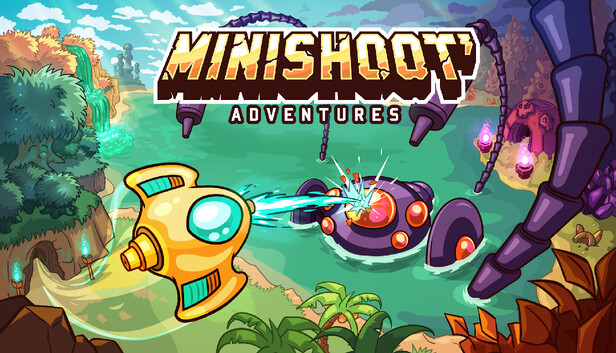
Minishoot’ Adventures review: exploration under fire
This Minishoot Adventures review finds a small ship leaving its village to free captured friends and confront corrupted machines. SoulGame Studio combines an.
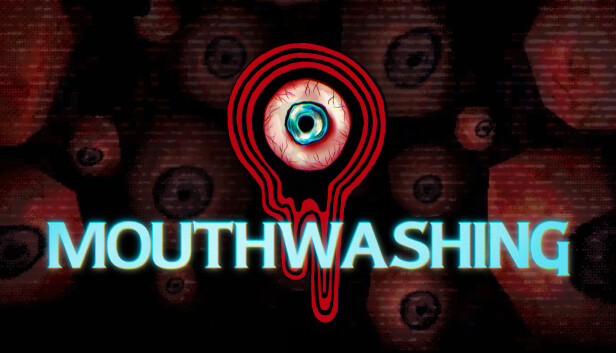
Mouthwashing review: horror after the crash
This Mouthwashing review enters the Tulpar after a crash leaves five crew members with dwindling supplies and no credible rescue. Wrong Organ shifts between.
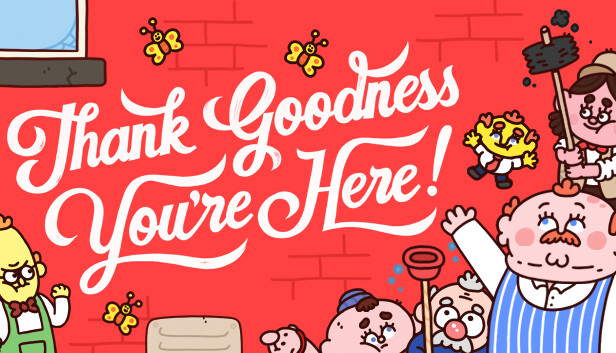
Thank Goodness You’re Here review: slapstick with purpose
This Thank Goodness You’re Here review follows a traveling salesman who arrives early for a mayoral appointment and becomes free labor for Barnsworth. Coal.
Community channel
Join the discussion
Start a thoughtful, specific conversation about this story.
Verified readers only
Continue with Google to comment.
Your Google account creates a reader-only Kaizensclan profile. Your first comment is reviewed before publication.