VCT 2026 Season Capsule: what the regional bundle includes
The VCT 2026 Season Capsule includes five VCT Sigil variants, four regional banners and a Flex. We examine its effects, identity and revenue model for fans.

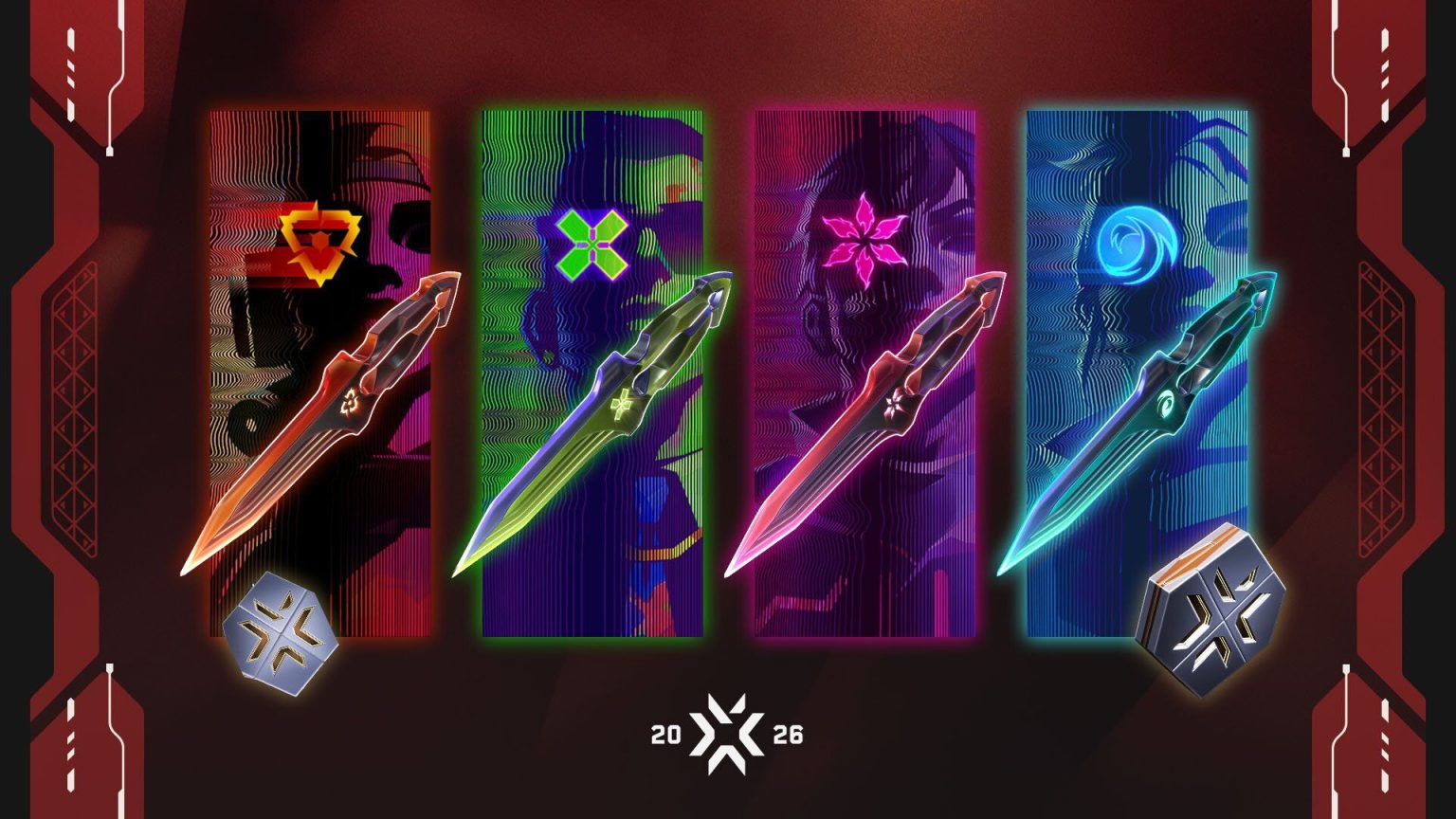
The VCT 2026 Season Capsule combines a new VCT Sigil melee with four regional banners and the VCT Flex 2026. Riot Games released the collection globally on February 19, 2026, presenting it as a way to represent a league region while supporting every team through an equal VCT-wide revenue split.
This is separate from the individual team capsules. Team cosmetics let supporters choose one organisation; the Season Capsule uses shared VCT and regional identity. That distinction shapes both the visual design and where the revenue goes.
What is in the VCT 2026 Season Capsule?
The centrepiece is the VCT Sigil, a melee weapon inspired by VCT arenas. Riot’s official Season Capsule announcement lists five versions: one for each of the four International Leagues and a universal VCT variant.
Each regional version changes the colour treatment and emblem while preserving the same underlying silhouette. That is the right structural choice for a shared competition item. The object remains recognisable across variants, and the regional layer communicates affiliation without turning every version into a separate weapon concept.
The melee includes custom animations and a reactive Champions Aura for the match’s top fragger. The capsule also contains four animated regional banners featuring agents associated with each International League, plus the VCT Flex 2026. Riot says the Flex inspired the trophies awarded to Kickoff winners.
The VCT Sigil prioritises one shared silhouette
The official promotional render makes the hierarchy clear. All five blades use the same long central form, split point and broad guard. Regional identity comes from colour, surface treatment and the symbol behind the weapon rather than a new outline.
That consistency matters in first-person play. A melee skin appears during movement, rotations and economy transitions, so recognition happens at speed. If every regional version changed the weapon’s proportions, the collection would lose the visual link that makes it a league-wide object.
Colour still does substantial work. The variants move through warm orange, acid green, magenta, cyan and the broader VCT finish. These combinations are intentionally louder than a neutral competitive skin, but the light is concentrated along the edge and internal channels rather than spread across several unrelated shapes.
Reactive prestige needs a clear stopping point
The Champions Aura activates for the top fragger. That connects the cosmetic to performance, but it also introduces a readability question: a reactive state should confirm status without covering the next action.
Riot’s announcement does not present the aura as a separate kill effect, and buyers should not assume it changes competitive information. It is a cosmetic feedback layer. The useful design test is how quickly the effect settles after appearing and whether it remains legible under normal map lighting.
Our article on readable kill effects uses the same principle: confirmation should occupy one visual beat, then return attention to the fight. Sound matters for the same reason. Repeated equip and inspect audio can affect the experience more than a rare showcase moment, as explained in our skin sound analysis.
Regional banners carry more specific identity
The banners give each league more freedom than the melee. They use animated agent art to capture regional energy, while the Sigil keeps the shared physical form. Dividing those jobs prevents the weapon from carrying every piece of branding at once.
This also makes the collection easier to read as a set. The melee is the common competitive object, the banners provide the regional portrait, and the Flex acts as the season marker. A collection works better when each item has one clear communication role instead of repeating the same graphic at three scales.
The material separation on the Sigil is also worth watching in game. Bright edge lighting needs a darker body to remain readable rather than becoming a flat neon shape. Our guide to skin material contrast explains why metal, illuminated channels and darker surfaces need to disagree visibly.
How the VCT-wide revenue split works
Riot describes the Season Capsule revenue as being divided equally across every VCT team. That makes the product structurally different from a team capsule, where a purchase expresses support for a specific organisation.
The distinction should be explicit because the visual choice and the financial destination are connected. Selecting a regional Sigil is not the same as directing the purchase toward one team. It supports the league field through the shared split described by Riot.
Kaizensclan does not treat game cosmetics as investments and is not recommending a purchase. The useful question is whether the shared silhouette, regional treatment and reactive state match what you want to see and hear during repeated play—not whether the item may become scarce later.
The capsule is strongest as a league object
The VCT 2026 Season Capsule has a coherent division of labour. The Sigil creates one recognisable melee across five finishes, the banners carry the more expressive regional artwork, and the Flex records the season.
Its most interesting design choice is restraint at the silhouette level. Riot could have built four unrelated regional weapons. Keeping one form makes the collection read as VCT first and region second, which matches the equal league-wide revenue model behind it.
Editorial note
Facts, dates and event details checked against the linked primary sources before publication.
- Riot Games / VALORANT Esports official Season Capsule announcement
This article was reviewed on August 5, 2026.

Related stories
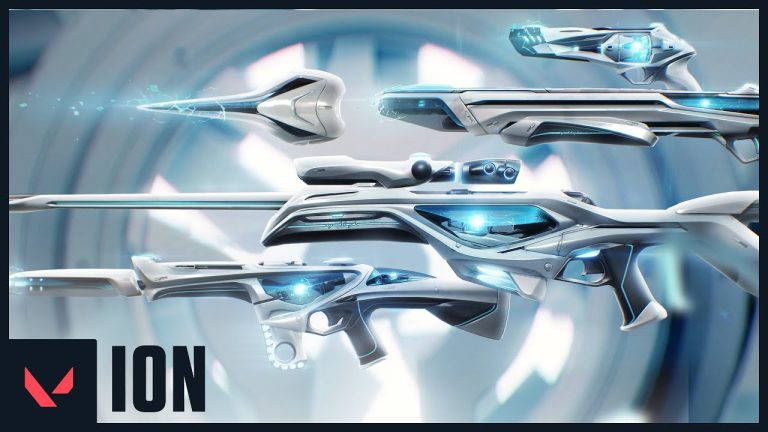
VALORANT Ion: clean science fiction built around energy
Riot revealed the original VALORANT Ion skin line in November 2020. Its white shells, dark joints and blue energy cores present a clean science-fiction weapon.
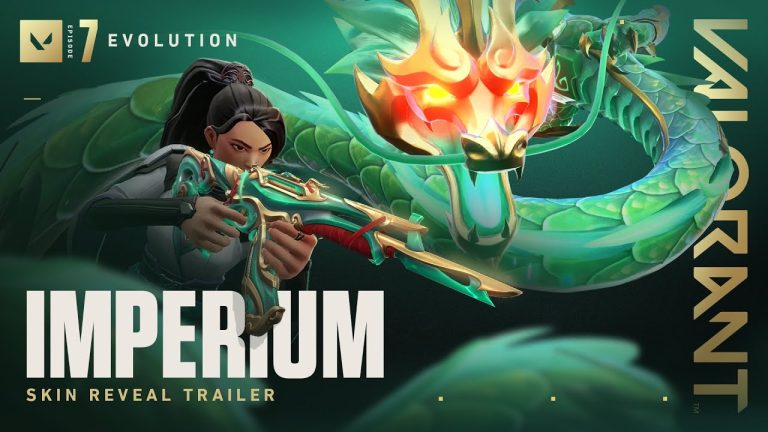
Imperium: VALORANT’s carved jade arsenal
VALORANT Imperium builds a carved jade arsenal around ancient dragon kings, restrained weapon effects and a monumental finisher ceremony. Read our verified.
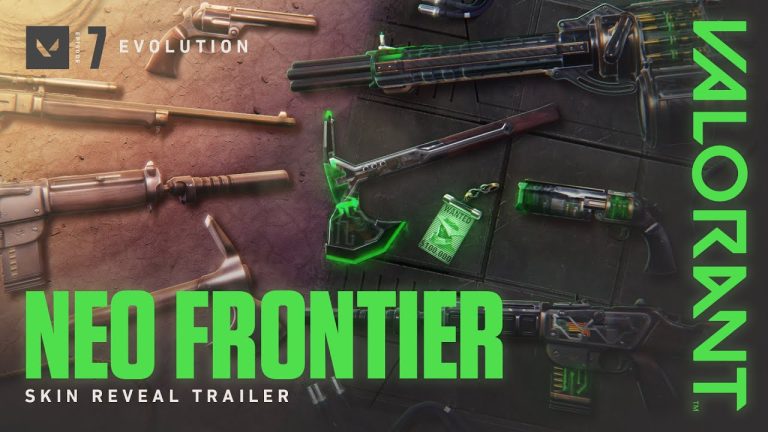
Neo Frontier: VALORANT’s transforming western
VALORANT Neo Frontier transforms revolvers and frontier machinery into animated future weapons while preserving a clear western silhouette. Read our verified.
Community channel
Join the discussion
Start a thoughtful, specific conversation about this story.
Verified readers only
Continue with Google to comment.
Your Google account creates a reader-only Kaizensclan profile. Your first comment is reviewed before publication.