Prelude to Chaos Makes Weight Feel Dangerous
A VALORANT Prelude to Chaos retrospective covering its industrial silhouette, unstable energy core, forceful animations, aggressive sound and match readability.

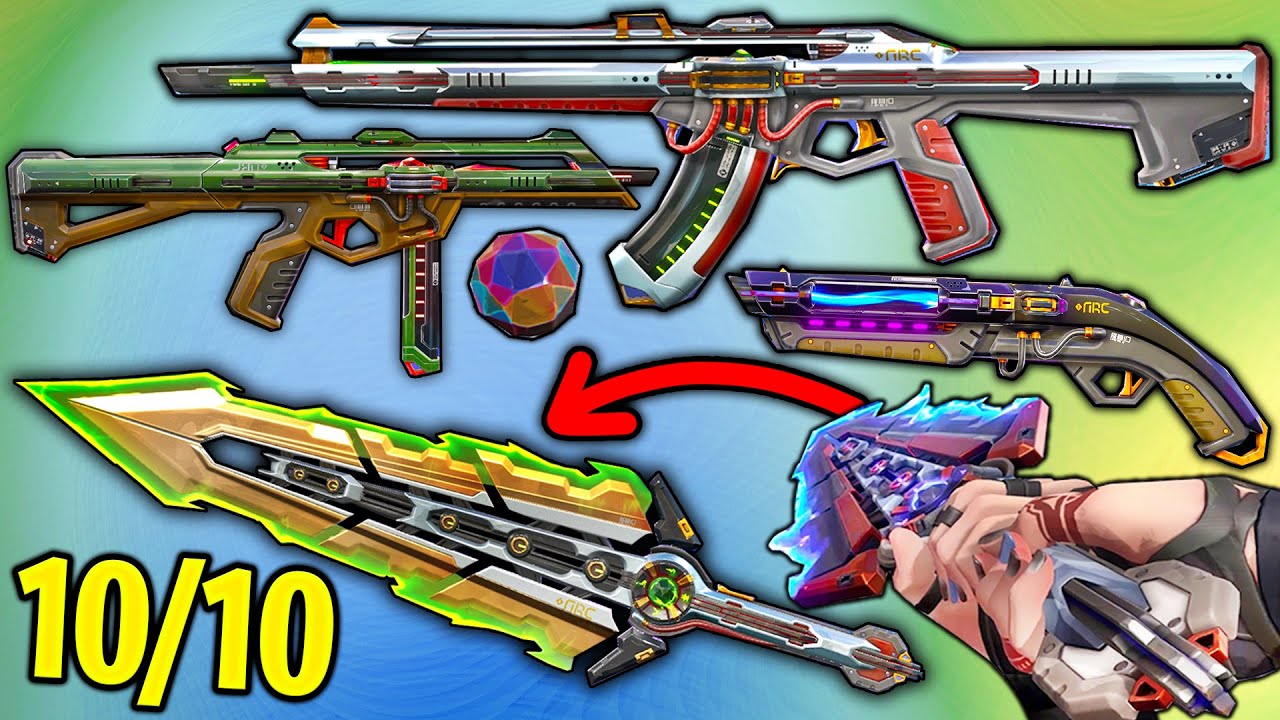
Prelude to Chaos sells a different kind of power from VALORANT’s elegant fantasy lines. Its weapons look assembled to contain an unstable force, so bulk, exposed energy and violent motion become part of one industrial language.
Visual identity
The Vandal’s familiar axis remains visible, but layered plates and a luminous core add mass around it. Bright energy sits inside darker framing, creating the impression that the shell restrains something active. The design is busiest near the center and calmer toward the aim line.
Animation and sound language
Equip and reload actions emphasize torque and resistance. Components do not simply slide; they appear pulled into alignment by force. The firing sound is sharp and metallic with a low body beneath it, reinforcing weight while preserving the Vandal’s recognizable rhythm.
Readability in a live match
Large forms risk making a weapon feel visually slow, yet the central energy contrast guides the eye back to the receiver. Effects peak during inspection, reload and finish moments rather than covering every second of combat. Players still receive a clear muzzle direction and ammunition state.
Why the design lasted
The line lasts because its aggression is designed, not merely amplified. Shape, sound and animation all describe containment under stress. Prelude to Chaos is excessive in theme but disciplined in hierarchy, which lets it feel dangerous without becoming a pile of unrelated effects.
Continue with our practical guides and follow the latest stories in the Kaizensclan archive.
Editorial note
Facts and mechanics were checked against the linked primary sources before publication.
This article was reviewed on August 7, 2026.

Related stories
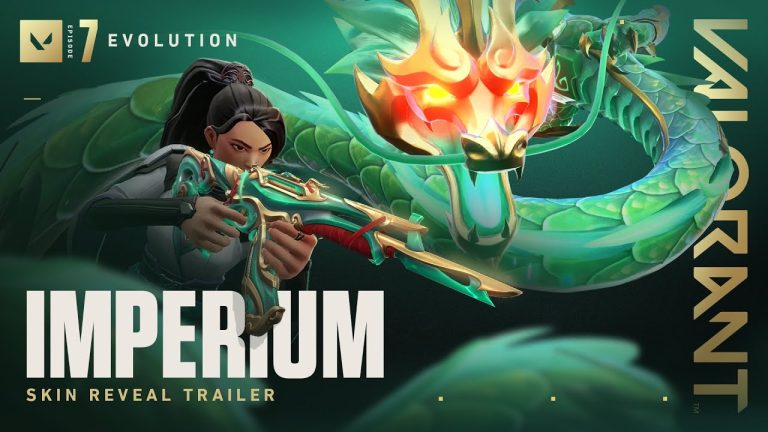
Imperium: VALORANT’s carved jade arsenal
VALORANT Imperium builds a carved jade arsenal around ancient dragon kings, restrained weapon effects and a monumental finisher ceremony. Read our verified.
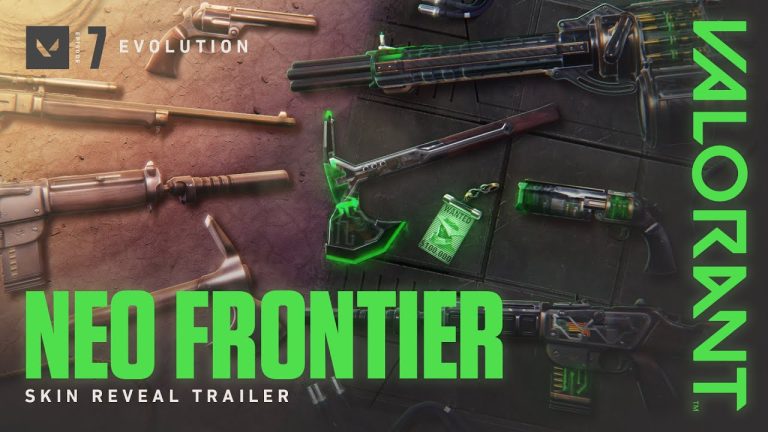
Neo Frontier: VALORANT’s transforming western
VALORANT Neo Frontier transforms revolvers and frontier machinery into animated future weapons while preserving a clear western silhouette. Read our verified.
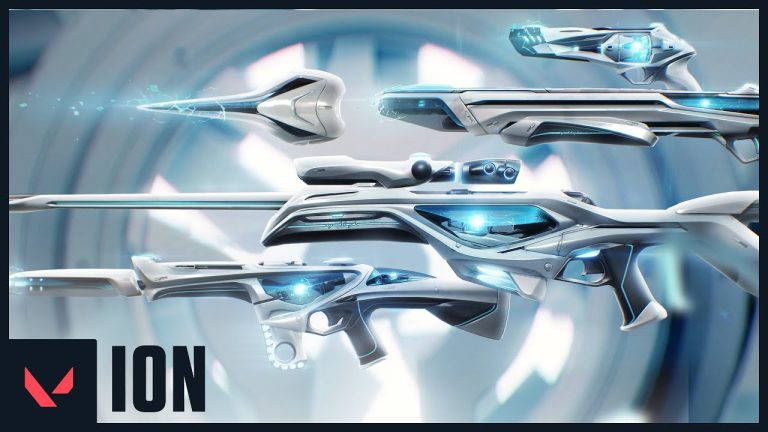
VALORANT Ion: clean science fiction built around energy
Riot revealed the original VALORANT Ion skin line in November 2020. Its white shells, dark joints and blue energy cores present a clean science-fiction weapon.
Community channel
Join the discussion
Start a thoughtful, specific conversation about this story.
Verified readers only
Continue with Google to comment.
Your Google account creates a reader-only Kaizensclan profile. Your first comment is reviewed before publication.