Character skins must preserve the competitive silhouette
Recognition happens at the outline before the costume has time to explain itself.

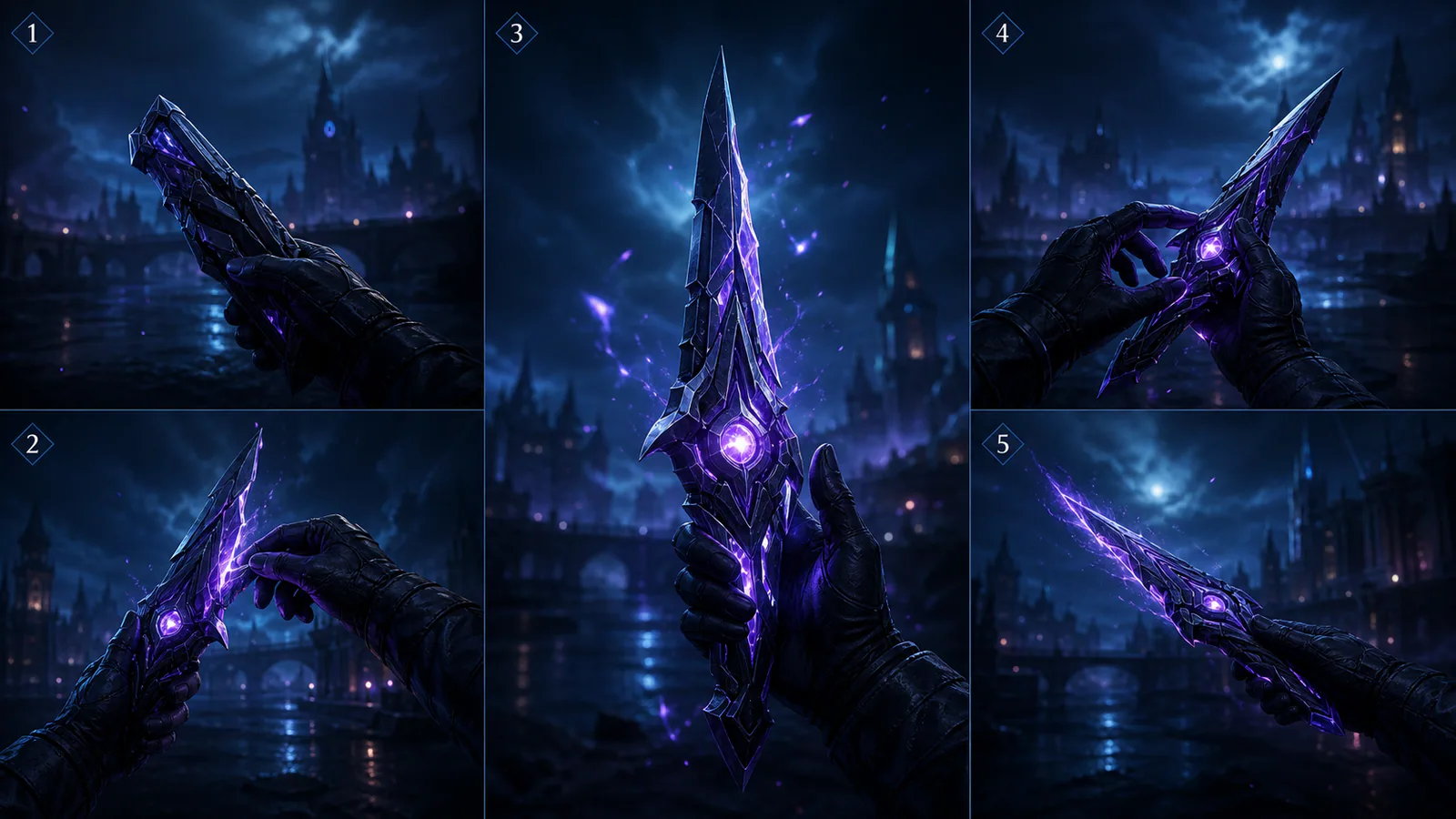
Character cosmetics carry more design freedom than weapon finishes, but they also occupy a competitive information channel. Players recognize stance, width, equipment and animation from peripheral vision. A skin that obscures those cues can turn novelty into hesitation.
Test the moving outline
Render the character as a flat shape while running, crouching and using abilities. Large shoulder pieces, flowing cloth or floating accessories should not create a false body edge.
Preserve high-value anchors
Keep the head, hands, carried equipment and team identifiers clear across bright and dark environments. Effects should follow motion rather than leaving human-shaped noise behind.
The goal is not visual sameness. Theme can live in surface, rhythm and controlled secondary forms while the competitive skeleton remains stable. A successful character skin gives the owner a fresh identity and the opponent the same reliable target information.
Editorial note
Original competitive visual-design analysis.
- Kaizensclan Editorial Policy — editorial-policy.html
This article was reviewed on August 3, 2026.

Related stories
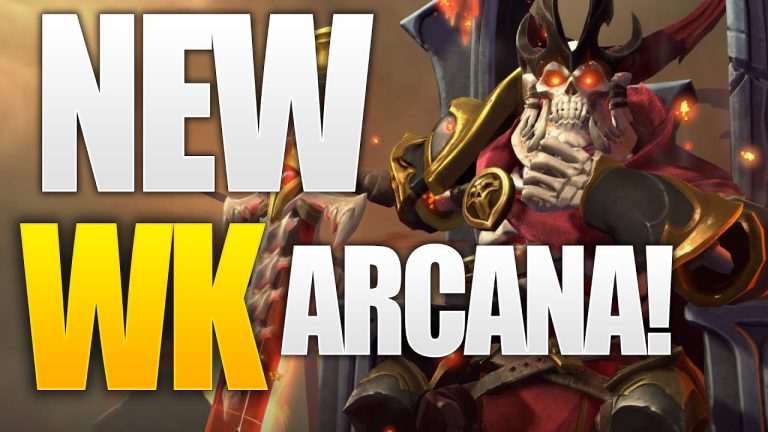
The One True King: Wraith King’s Arcana restores a throne
Valve released The One True King Wraith King Arcana through the 2020 Battle Pass at level 375. The cosmetic restores a skeletal king identity and rebuilds the.
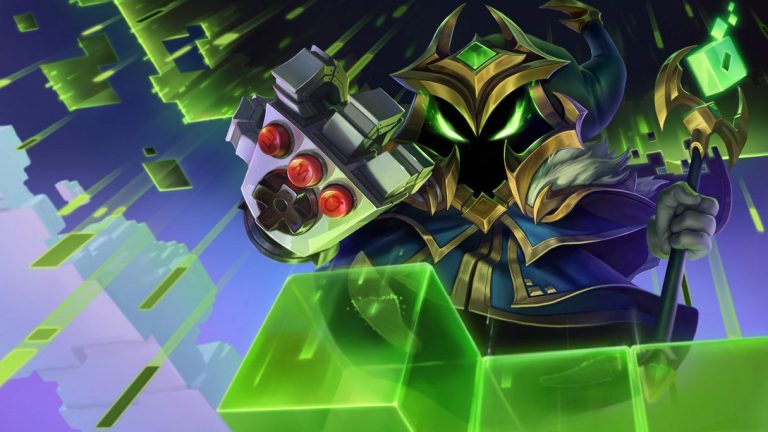
Final Boss Veigar: an arcade villain with readable spells
Final Boss Veigar is a Legendary League of Legends skin built around the fantasy of a video-game end boss. Arcade colors, pixel motifs and a more theatrical.
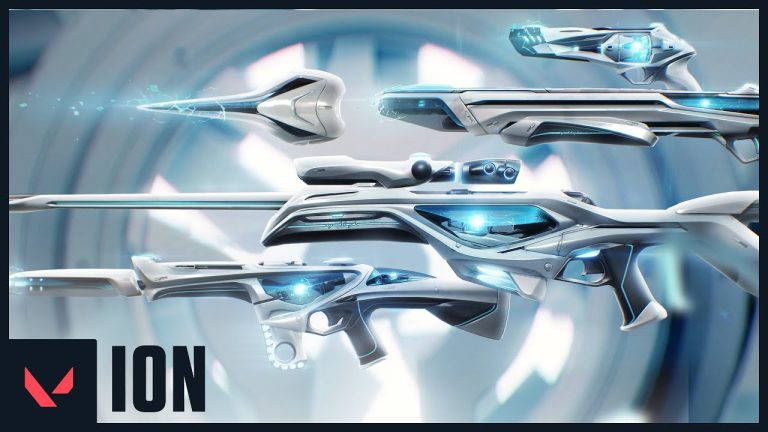
VALORANT Ion: clean science fiction built around energy
Riot revealed the original VALORANT Ion skin line in November 2020. Its white shells, dark joints and blue energy cores present a clean science-fiction weapon.
Community channel
Join the discussion
Start a thoughtful, specific conversation about this story.
Verified readers only
Continue with Google to comment.
Your Google account creates a reader-only Kaizensclan profile. Your first comment is reviewed before publication.