Silent Hill f review — beauty sharpens the horror
Our Silent Hill f review examines its 1960s Japanese setting, unsettling floral horror, melee combat, five endings and story built for repeat playthroughs.

 8.0
8.0 Kaizensclan verdict
Our Silent Hill f review examines its 1960s Japanese setting, unsettling floral horror, melee combat, five endings and story built for repeat playthroughs.
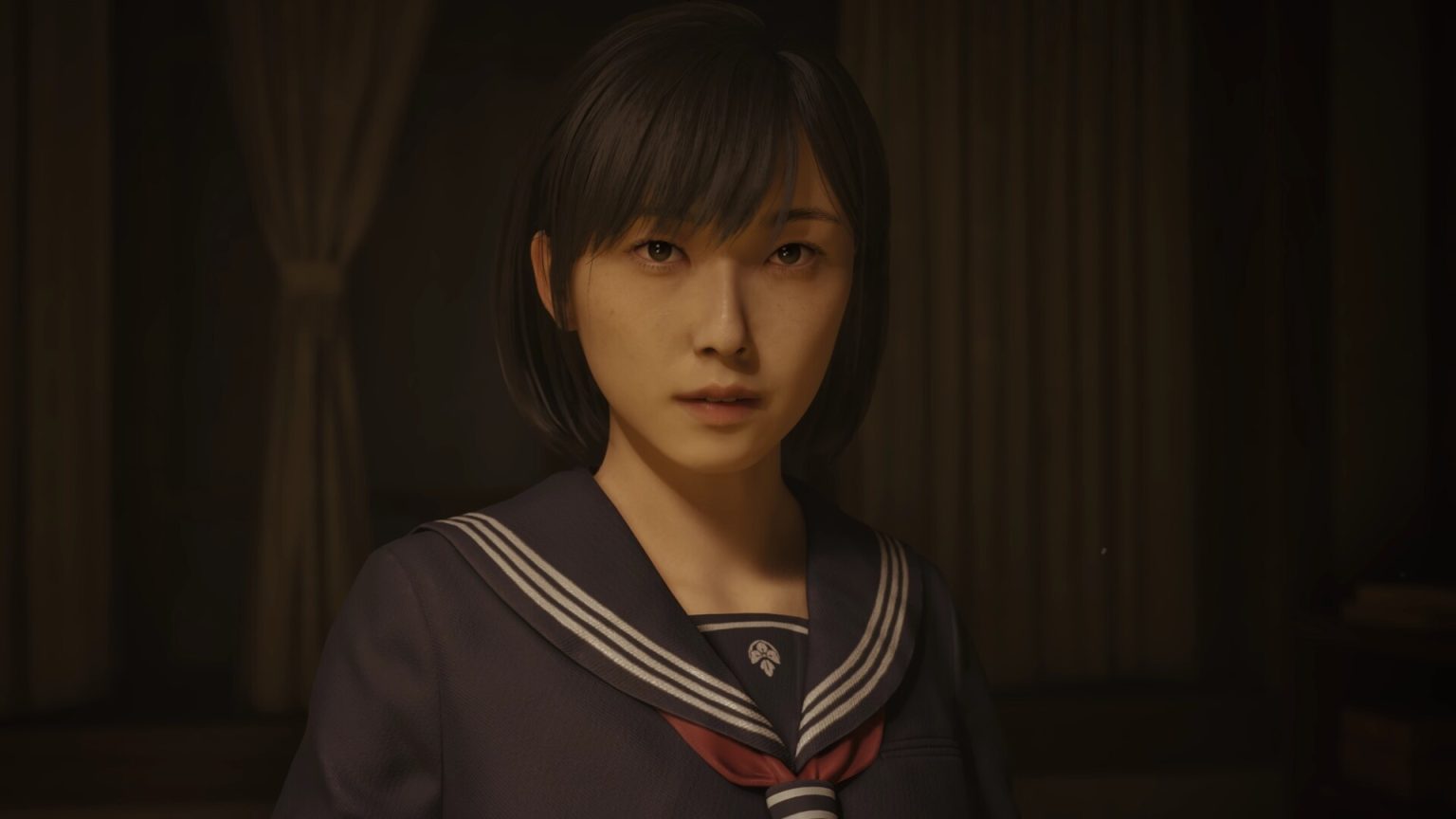
This Silent Hill f review finds a series entry that changes country without abandoning psychological horror. NeoBards Entertainment places Shimizu Hinako in 1960s Ebisugaoka, where fog, social pressure and spreading flowers transform a familiar town into something intimate and hostile. The story and art direction are powerful; the melee-heavy action is less consistently suited to the fear they create.
Review methodology: Kaizensclan did not independently complete a playthrough. The zero-hour disclosure marks this as research-based criticism using official documentation and public gameplay. Setting, creator, content and ending details were checked against the official Steam listing and Konami materials.
Silent Hill f makes Ebisugaoka personal
Hinako’s town is not an exotic replacement for the American setting. Its lanes, houses, shrines and community relationships define the specific pressures around her. The 1960s context shapes expectations about family, gender and obedience, making social threat part of the horror before the monsters arrive.
Writer Ryukishi07 builds mystery through uncertain testimony and repeated motifs. Friends speak around fears as often as they name them, while transformations blur external danger and Hinako’s interpretation. The story asks whether a frightening image is an attack, a memory or a social demand given physical form.
The first playthrough leads to a fixed ending. Later runs allow choices to produce additional outcomes, with five endings documented in the official description. This structure protects an intended initial reading, but it also postpones agency. Players must repeat substantial material before their decisions can reshape the conclusion.
New Game Plus is therefore part of the narrative design rather than an optional victory lap. Repeated scenes can reveal different context, but repetition still costs time. The approach works best for players willing to treat the first ending as the beginning of interpretation rather than the final answer.
Melee combat creates tension and interruption
Hinako relies primarily on close-range weapons. Stamina, durability, dodging and focused actions ask the player to manage distance under pressure. Combat communicates vulnerability more effectively than an arsenal of firearms would, and a fragile weapon makes every encounter consume more than health.
The difficulty is tonal. Repeated melee exchanges can make grotesque figures feel like patterns to optimise rather than presences to fear. When combat is sparse, the player studies movement and escape routes. When encounters cluster, mechanical familiarity can replace uncertainty.
Shrine-related systems and resources provide preparation between threats. They establish a ritual rhythm suited to the setting, but additional upgrades risk making survival look like conventional action progression. The game is strongest when systems support dread without promising complete control.
Difficulty and puzzle settings help separate forms of challenge. That flexibility matters because someone interested in Ryukishi07’s story may not want demanding action, while a player comfortable with combat may still prefer cryptic puzzles. The game should not assume those skills rise together.
Flowers turn beauty into evidence
Floral growth covers bodies and spaces with forms that are carefully arranged rather than randomly organic. The beauty creates hesitation: an image can look ceremonial at first glance and become repellent when its material is understood. That delayed recognition is more effective than constant darkness.
Fog narrows the town without erasing its identity. Familiar routes become uncertain because visibility removes distant context, while red growth creates aggressive landmarks. The visual design gives Hinako’s experience a separate identity from earlier Silent Hill games while retaining the series’ interest in unstable spaces.
Akira Yamaoka contributes to a wider musical and sound palette shaped by the Japanese setting. Sparse environmental sound, distant movement and textured music sustain unease between explicit encounters. Strong audio matters because the player frequently imagines a threat before seeing it.
The visual confidence connects with the environmental interpretation discussed in our Elden Ring review, although Silent Hill f makes its symbols more directly personal. Readers can also explore our art-direction coverage for related visual analysis.
Technical state, content warnings and monetisation
The game supports PC, PlayStation 5 and Xbox Series systems. Its official PC listing targets modern hardware and promotes detailed 4K visuals and spatial audio. This research review does not provide original performance measurements, so PC players should check current patch reports for comparable systems.
The official content description is unusually important. It identifies gender discrimination, child abuse, bullying, drug-induced hallucinations, torture and graphic violence, alongside depictions based on customs of the period. Those are not peripheral scares; readers sensitive to them should treat the warning as part of the purchase decision.
Silent Hill f is a premium single-player release. Its Deluxe content includes an artbook, soundtrack and costume, with an upgrade sold separately. There is no live-service progression shop or paid combat power. The additional costume changes appearance rather than the story’s systems.
Value depends on accepting repeat playthroughs. One run delivers the fixed initial conclusion, but the documented five-ending structure expects more time for the complete interpretation. Players who stop after credits receive a coherent experience, not every available answer.
Who should enter Ebisugaoka
Silent Hill f is best suited to players who approach horror as interpretation rather than a sequence of jump scares. Its imagery, dialogue and repeated scenes ask for comparison. A player willing to reconsider an earlier conclusion will receive more than someone waiting for one explicit explanation.
The content warnings deserve equal weight with genre preference. Themes of abuse, discrimination and coercion can be more distressing than the monsters because they are tied to recognisable social harm. Taking breaks or declining the game is a valid response, not a failure to appreciate horror.
Action-focused players should expect deliberate melee rather than a broad combat sandbox. Story-focused players can adjust challenge, but they cannot remove every confrontation or the need to repeat material for later endings.
Playing in shorter sessions may preserve the intended tension better than pushing through several emotionally heavy chapters without time to process them.
Japanese audio provides the most direct relationship between performances and setting, while subtitles broaden access. Players should choose language and display settings that keep dialogue and environmental text legible; important meaning is carried by small documents and phrasing as well as cinematics.
Verdict
Silent Hill f earns its new setting through specificity. Ebisugaoka’s social expectations, architecture and rituals shape Hinako’s horror, while floral imagery creates a disturbing tension between beauty and bodily violation.
The melee system is competent but can occupy too much attention, and the fixed first ending asks players to repeat material before meaningful narrative divergence. Those choices will separate an absorbing mystery from an exhausting one.
Score: 8.0/10. This research-based score includes zero independent hands-on hours. Players seeking psychologically dense horror have strong reasons to investigate, but they should understand the combat emphasis, content warnings and replay requirement before entering the fog.
Sources: NeoBards Entertainment and Konami official Steam and release materials, checked August 6, 2026.
Editorial note
This research-based editorial assessment uses official release information and public gameplay. Kaizensclan logged zero first-hand playtest hours.
This article was reviewed on August 6, 2026.

Related stories
Minishoot’ Adventures review: exploration under fire
This Minishoot Adventures review finds a small ship leaving its village to free captured friends and confront corrupted machines. SoulGame Studio combines an.
Mouthwashing review: horror after the crash
This Mouthwashing review enters the Tulpar after a crash leaves five crew members with dwindling supplies and no credible rescue. Wrong Organ shifts between.
Thank Goodness You’re Here review: slapstick with purpose
This Thank Goodness You’re Here review follows a traveling salesman who arrives early for a mayoral appointment and becomes free labor for Barnsworth. Coal.
Community channel
Join the discussion
Start a thoughtful, specific conversation about this story.
Verified readers only
Continue with Google to comment.
Your Google account creates a reader-only Kaizensclan profile. Your first comment is reviewed before publication.